These Guys Left Full Frame Sony, Canon and Nikon for Fujifilm APS-C

Switch to X

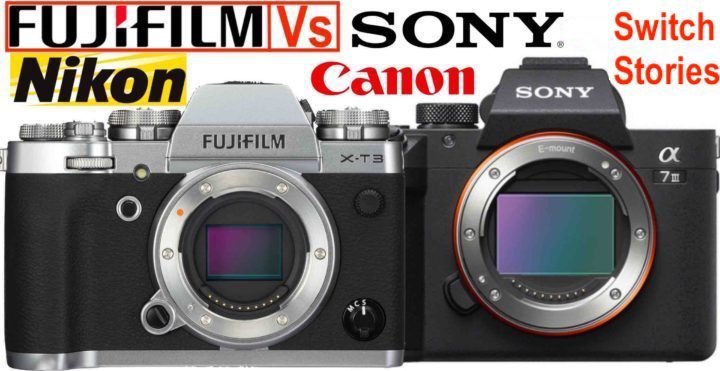
Here is a roundup about photographers, who are switching from full frame Sony, Canon and Nikon to Fujifilm X.

Mostly they say that the difference in image quality compared to full frame is negligible. But the difference in ergonomics, functionality, menu system, look, size, beautiful lenses, color science etc is much more significant. These aspects make the real difference and worth it to go with Fujifilm APS-C.

At the end, the most important thing is getting into a system that makes you want to shoot more, and Fujifilm is, for some, the best choice for that. As one of the them said:

There is something about Fujifilm, where they want you to get the most for what you pay for.

And to be clear: if you shoot any other brand, and are happy with it, then you did everything right, and you should not care about what the people below say. You have your needs, and you are right to ignore Fujifilm.

But here we are on a Fujifilm blog, so we talk about people, who shoot Fujifilm.

Our Owners Groups

Our Facebook Pages

Switch Stories

** CLICK HERE to Read the Rest of the Article **

Cure Your Bokeh Addiction… or When Too Much Background Blur Removes the Story and Creates Distraction

The Bokeh

We recently posted this story, about a Canon shooter, who tried Fujifilm for the first time, and there was so much she loved about it (starting from the fun using Fuji and the inspiration that comes with it), but one thing she missed: the bokeh she had with her Canon f/1.2 lenses.

So I thought to dedicate an own article to the “bokeh-discussion”, starting from two youtube videos below, that I have summed up for you.

And to give it all are more light and fun touch, I’ll share also the recent Camera Conspiracies video :).

I just remind you, that for the ultimate bokeh Fujifilm is going to release the Fujinon XF 50mm f/1.0.

  • fujirumors.com  – Fujinon XF 50mm f/1.0 Accurate Size Comparison with XF 56mm f/1.2 and XF 50mm f/2

Camera Conspiracies

** CLICK HERE to Read the Rest of the Article **

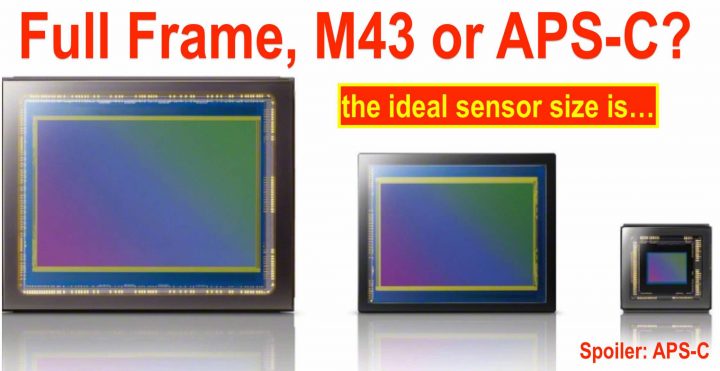
Sensor Size Sweet Spot is APS-C and not Full Frame, Claim These Industry Insiders

The Ideal Sensor Size

Yeah, let’s do it. Let’s stir up the spirits, and for one more glorious time, jump fully into the sensor size debate.

The trigger?

And article by DL Cade form Petapixel, who had a talk with Richard Butler (DPR) and Bill Claff (Photons to Photos), about:

  • Why Full Frame is perceived as the “serious” format
  • What is the “ideal” sensor size

The first can be answered with the popularity of 35mm in the film era.

But in modern digital times, is full frame really the sweet spot? DL Cade, Richard and Bill answer the following in this article:

DL Cade goes for APS-C:

I still believe there is a best sensor for “most people” and that this sensor is not full-frame. This sensor is APS-C. […] the performance to size to cost ratio falls into a sweet spot that neither Micro Four Thirds nor full-frame can match.

take the Fuji X-T3, which is a bit closer in price and weight to the a7 III, selling for only $500 less and weighing only 0.25lbs less. In the video department, the Fuji can already record 4K/60p 4:2:0 10-bit internally; Sony can’t even do that over HDMI. And it, too, shoots at a faster 11fps in 14-bit RAW, can capture up to 30fps electronically with an additional 1.25x crop, and benefits from a large selection of high-quality, compact lenses designed for APS-C.”

Richard Butler says:

** CLICK HERE to Read the Rest of the Article **

Value Angle of Mirrorless Cameras Explained and Compared

At the last Fujifilm X summit (which we covered and sumed up for you here), Fujifilm talked to us about the “value angle”.

The value angle is not a weird concept invented by Fujifilm, but a factor that influences the whole design and development of a camera system, as well as image quality.

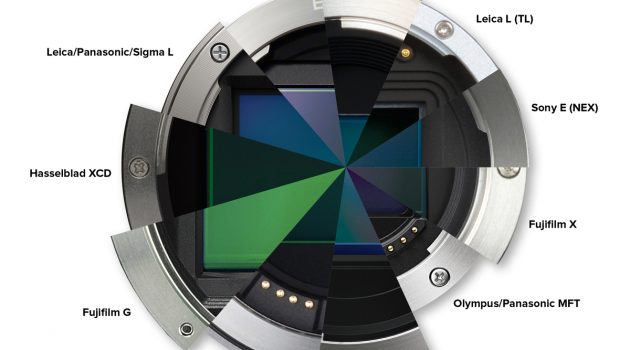
In short: the wider the value angle, the more precise and easier a lens can send light to the sensor. A wider value angle gives more flexibility for lens design and allows for more light and less digital correction.

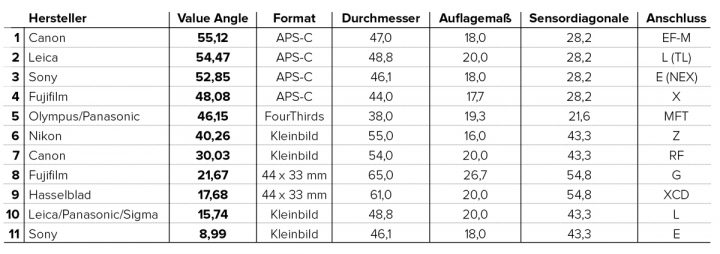
As you can see below, Fujifilm X has a huge value angle and Sony Full Frame an extremely small value angle, which is why Sigma said that it is a challenge to develop full frame lenses for Sony, especially high quality ones.

Chart below provided by the German site docma.

In German we refer to Full Frame as "Kleinbild" (small format)
In German we refer to Full Frame as “Kleinbild” (small format)

If you want to get an anology with a soccer player hitting the ball, in order to understand it better, we can get the help of an article appeared at the German site docma many months ago.

Google translated version down below.

** CLICK HERE to Read the Rest of the Article **