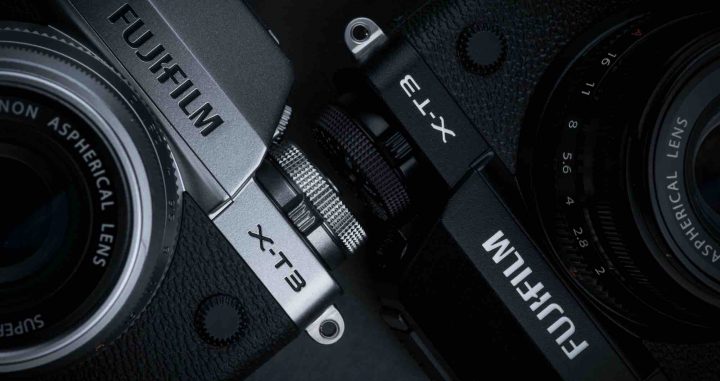
FUJIFILM Corporation (President: Kenji Sukeno) plans to release free firmware update for the “FUJIFILM X-T3” (X-T3) on October 28, 2020.
The update will improve the autofocusing performance of the X-T3 to the same level as the “FUJIFILM X-T4” (X-T4). This firmware will boost the AF speed, the camera’s AF tracking performance and the Face / Eye AF. In addition, the size of the AF area can now be adjusted during video recording. The update will bring new life to the X-T3, adding greater speed to make a great camera even better.
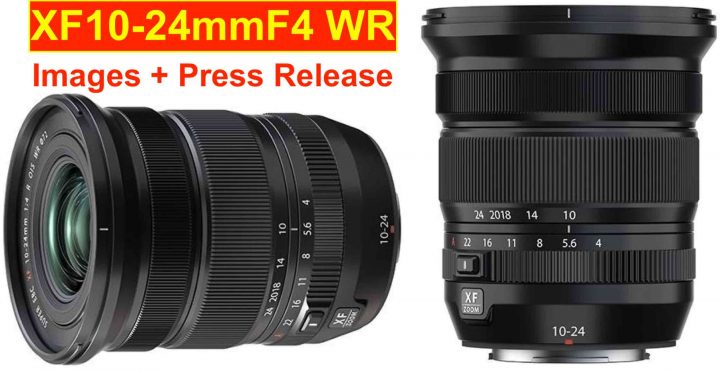
The first images of the upcoming Fujinon XF10-24mmF4 R OIS WR have been leaked by Nokishita. Down below you’ll also find the press release shortly available on Fujifilm China website.
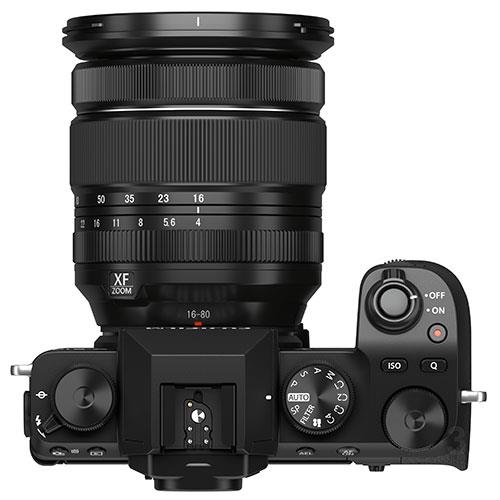
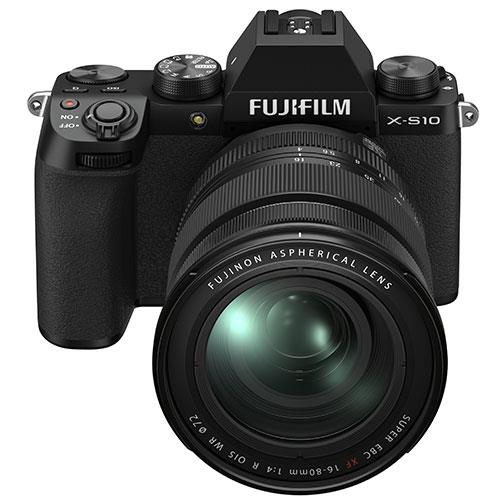
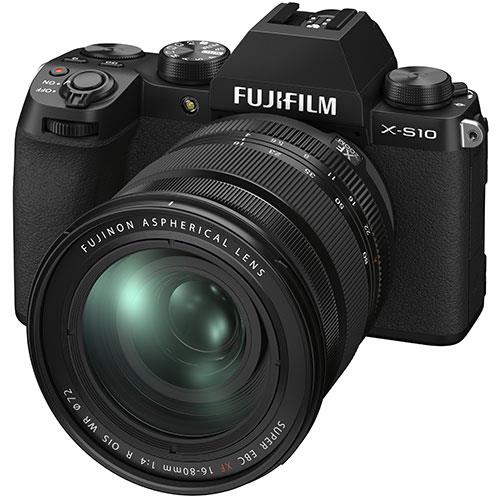
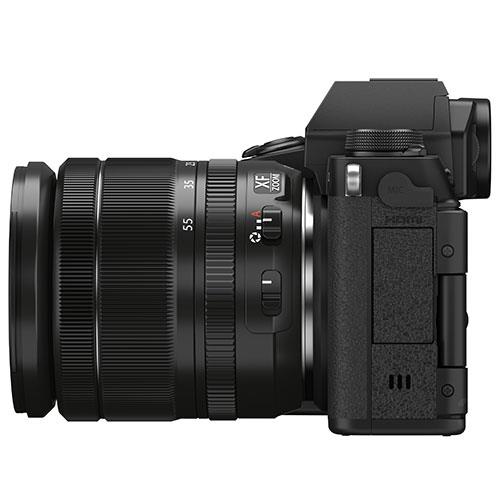
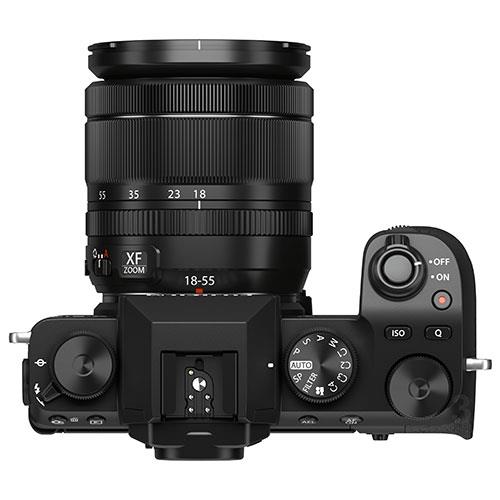
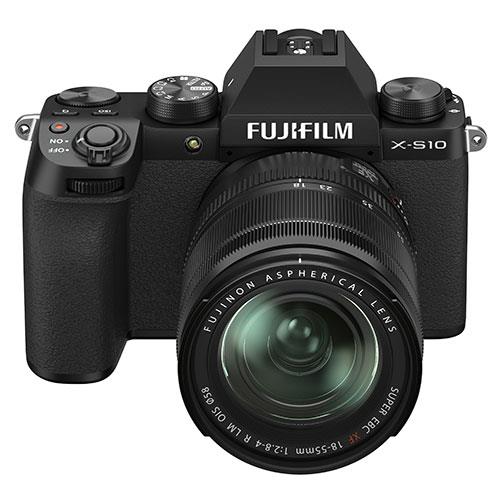
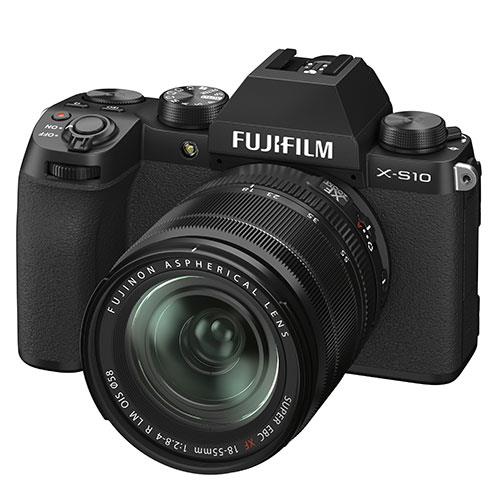
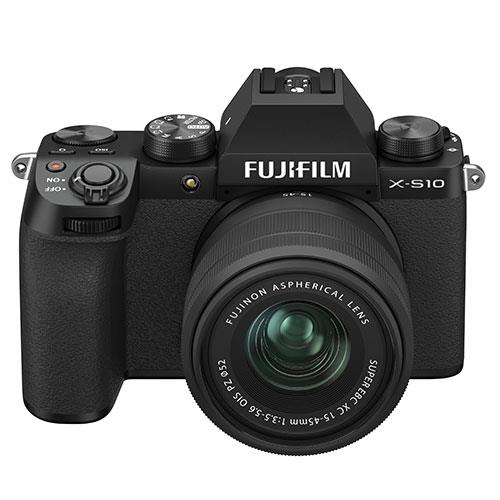
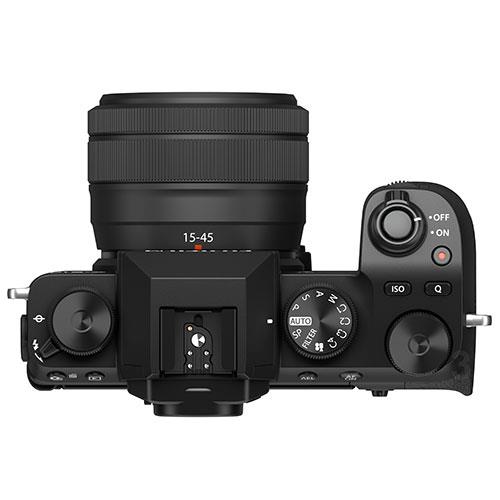
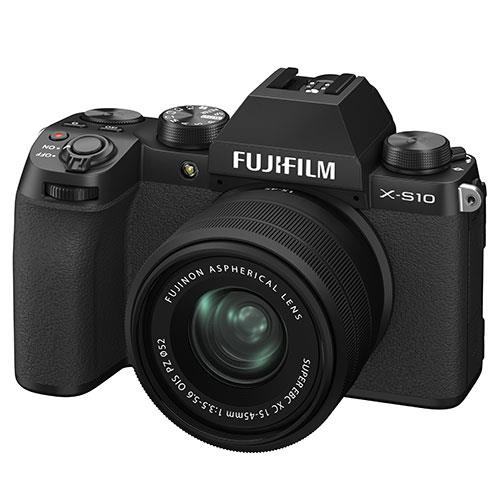
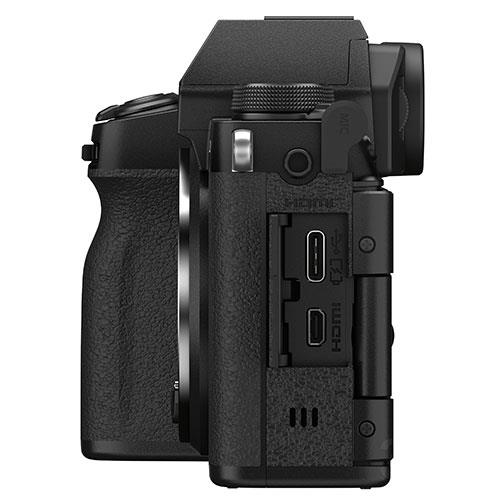
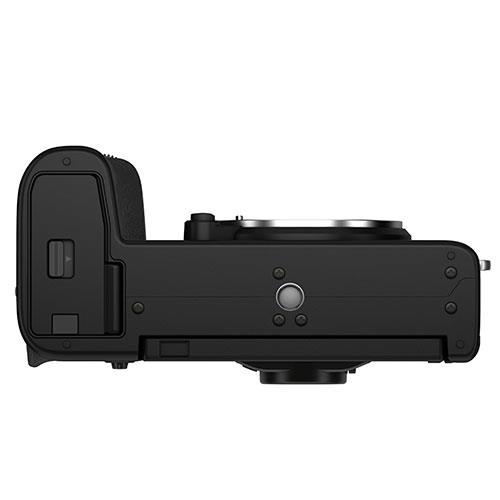
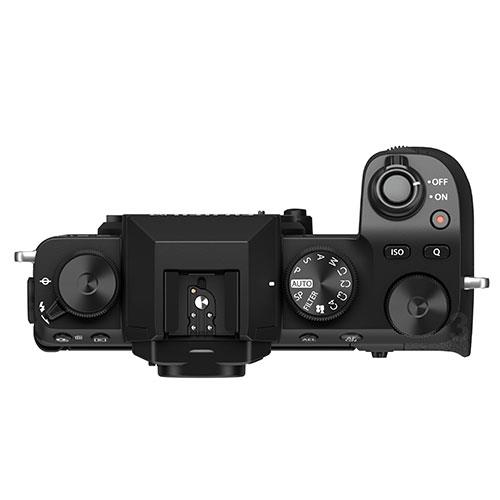
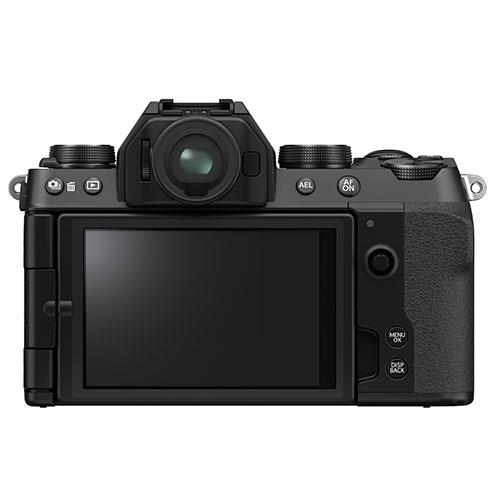
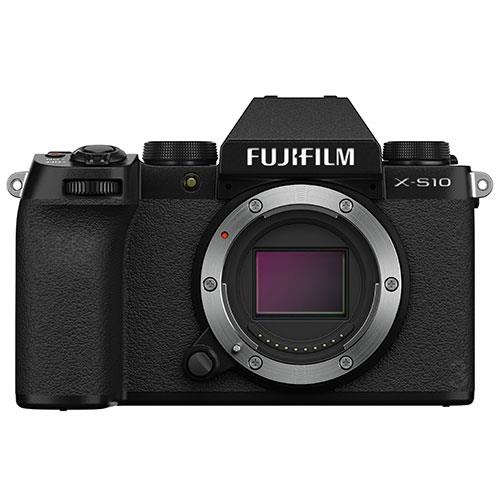
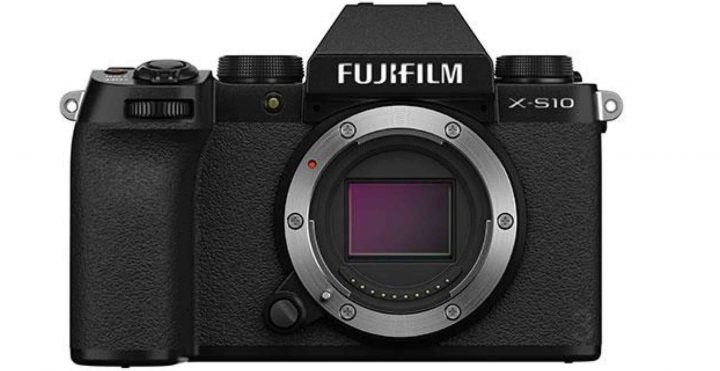
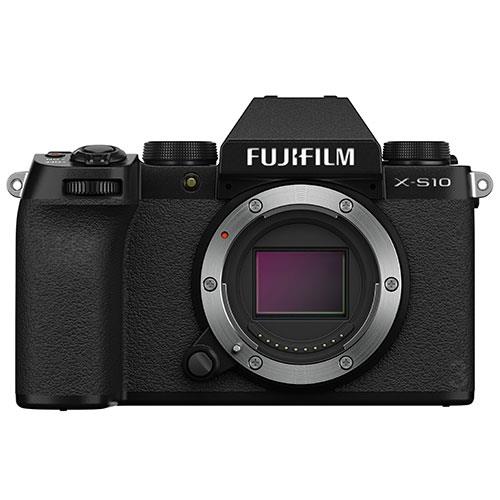
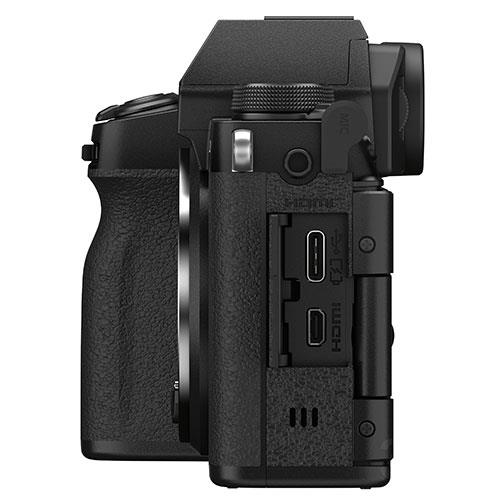
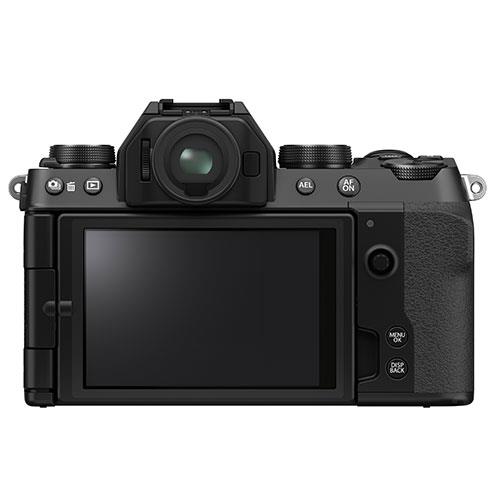
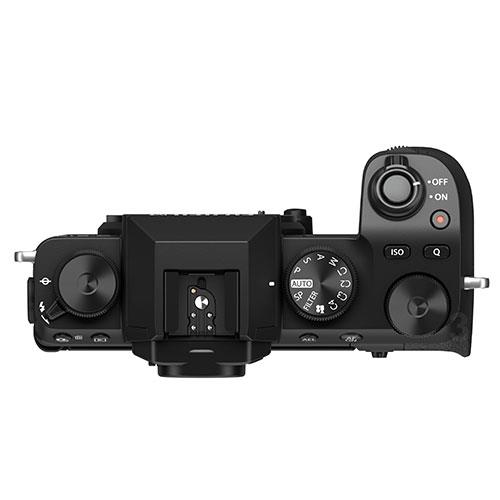
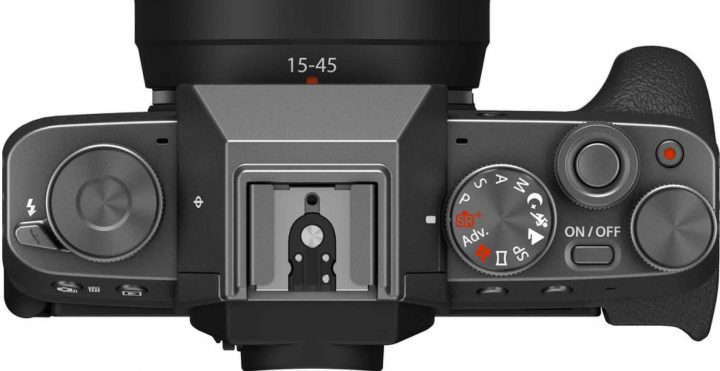
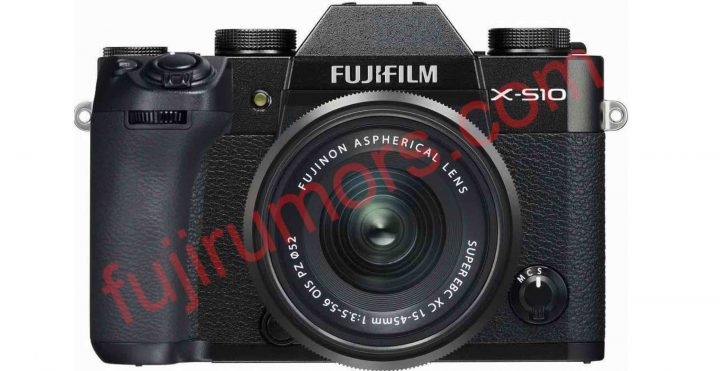
After we leaked the shape of the Fujifilm X-S10, some of you guys thought X-S10 will not have an exposure compensation dial, and probably a top LCD like the X-H1.
Now nokishita confirms all our rumors and add a few details:
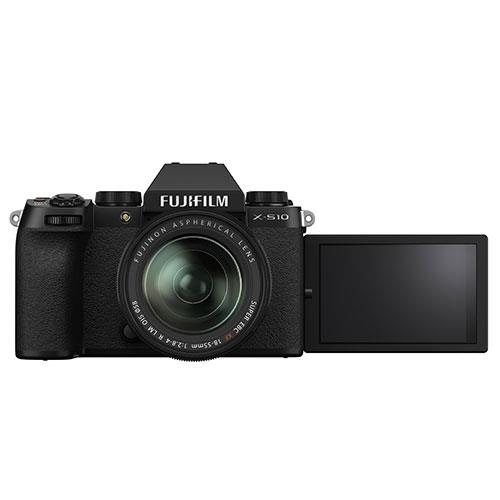
The main specifications of Fujifilm “X-S10” are 26.1 megapixel X-Trans CMOS 4 sensor, 5-axis in-body image stabilization that has an effect of up to 6.0 steps, X-Processor 4, 4K30p video, full HD 240p slow motion. It seems that it will be motion video, continuous shooting performance of 30 frames / second, 1.04 million dot vari-angle liquid crystal, 18 kinds of film simulation
So far that’s what nokishita says.
Here on FujiRumors we have also exclusively shared the following rumors (not yet confirmed by nokishita).
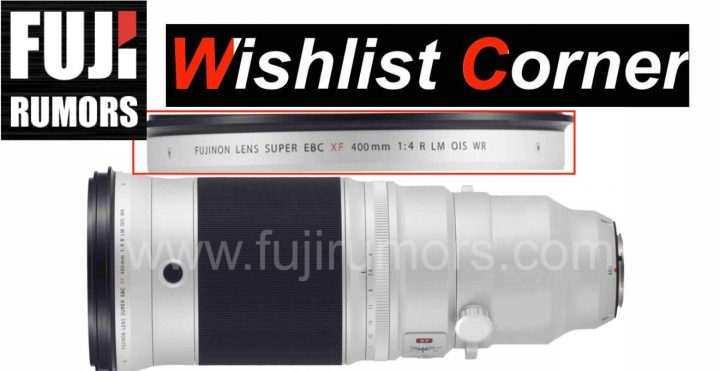
Because it touches the wish expressed by Michel, Willy and Kenneth, I invite you to check out also our big Fujinon XF wildlife photography survey and other long telephoto primes articles we have previously shared (list below).
Overall, there seems to be a strong wish by the FR-community for longer primes.
But we know the stellar Fujinon XF200mm f/2.0 did not sell well, and hence it’s obvious that Fujifilm is now a bit reluctant to invest further in long lenses.
But keep in mind, the XF200mmF2.0 comes with a 1.4x teleconverter designed specifically for this lens, which transforms the XF200mmF2 lens basically in a 280mmF2.8 lens. So, with 1 single lens, here is what you get:
XF 200mmF2.0 = full frame 280mmF2.8 (f/2.8 DOF equivalent)
XF 280mmF2.8 = full frame 420mmF4.2 (f/4.2 DOF equivalent)
If you want to, you can check out our previous “long telephoto primes” related articles.
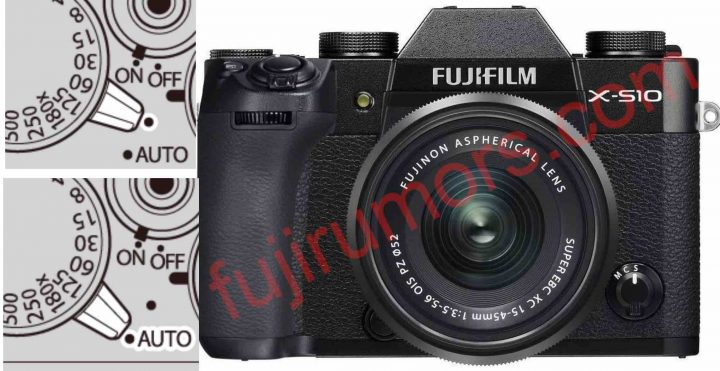
When you shoot full AUTO, the camera records only JPEG files.
Some say this makes sense, as the AUTO mode is supposed to make it all for you and simplify your life.
And although I never shoot AUTO on my X-E3, it happens sometimes that I handle the camera to a friend or relative (or even to one of my little students). And since they are not familiar with photography, the AUTO switch comes in very handy.
The problem: it will write only JPEG files on the SD card. But even if it’s not me taking the pictures, it’s still my camera and my SD-Card, and I want always both, RAW and JPEG on my SD-card, as you never know, maybe there is some nice image there that could need a little tweak.
Also, here is another example a FR-reader made, and that shows how useful RAW capability in Full AUTO would be.
The FR-reader did set up the camera for long exposures, all full manual, and suddenly a beautiful bird came and rested shortly on a stone nearby. Without messing around with the settings, the FR-reader quickly switched the camera to AUTO and grabbed a picture of the bird before it flew away. And while in this case the Auto mode allowed him to capture the decisive moment, he would have loved to have the RAW file of that image too.
I strongly hope other Fujifilm cameras having the AUTO capabilities will get the AUTO-RAW capability via firmware update in near future. It would make the AUTO mode more useful for me.
Well, I actually gave this for granted, that I did not even ask any of my sources about it.
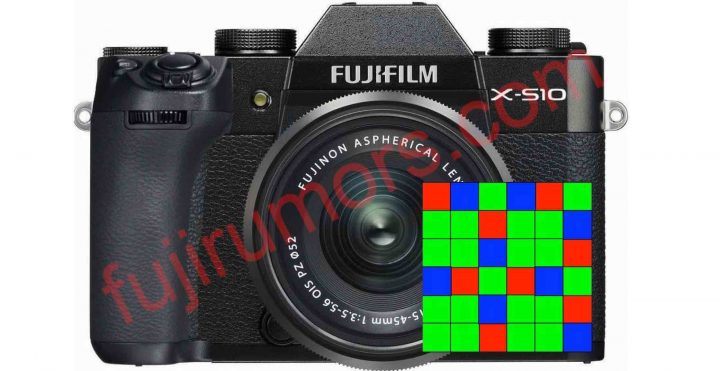
But somehow I noticed that the comments were on fire lately, wondering if the Fujifilm X-S10 would have an X-Trans or a Bayer sensor.
Well guys, I have told you that the Fujifilm X-S10 will be a “mid-range” camera, and as all Fujifilm mid-range cameras, it will have an X-Trans sensor.
Fujifilm X-S10 mockup by FujiRumors (not the real camera)
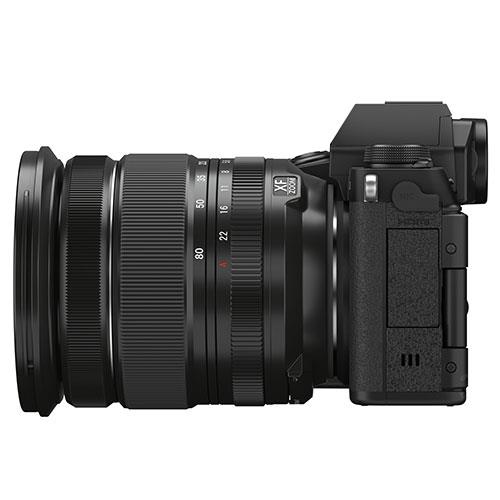
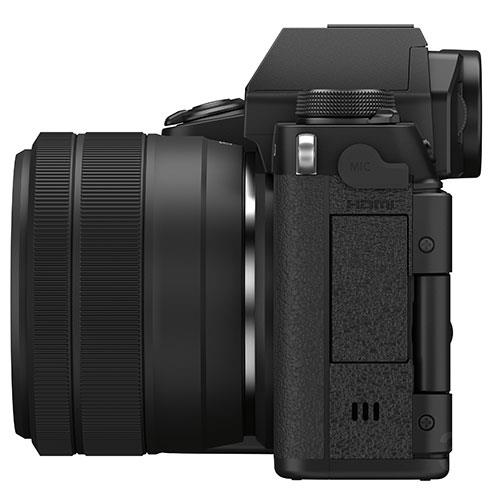
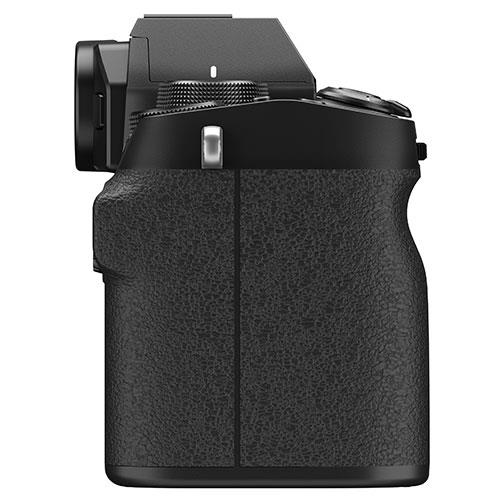
According to our sources, the Fujifilm X-S10 will have a nice deep grip, which I know many of you will love to hear.
It will be Fuji’s first mid-range camera with a deep grip, as the X-E3 and the X-T30, but also the X-T200 and X-A7, have none to very small grips only.
The only other Fujifilm X series camera with a deep grip is the Fujifilm X-H1.