The GFX Shockwave: How Fujifilm Is Breaking the Full-Frame Narrative

- The Big GFX Savings
- GFX100 II + GF 20-35mm f/4 – save $1,000
BHphoto / Amazon / Adorama - GFX100 II + GF 45-100mm f/4 – save $1,000
BHphoto / Amazon / Adorama - GFX100 II + GF 100-200mm f/5.6 – save $1,000
BHphoto / Amazon / Adorama - GFX100 II + GF 55mm f/1.7 – save $1,000
BHphoto / Amazon / Adorama - GFX100 II + GF110mm f/1.7 – save $1,000
BHphoto / Amazon / Adorama - GFX100S II + GF 20-35mm f/4 – save $1,000
BHphoto / Amazon / Adorama - GFX100S II + GF 45-100mm f/4 – save $1,000
BHphoto / Amazon / Adorama - GFX100S II + GF 100-200mm f/5.6 – save $1,000
BHphoto / Amazon / Adorama - GFX100S II + GF 55mm f/1.7 – save $1,000
BHphoto / Amazon / Adorama - GFX100S II + GF110mm f/1.7 – save $1,000
BHphoto / Amazon / Adorama
GFX Rise
As we have seen, the GFX system is steadily growing. So I guess it’s time to dedicate it an image roundup.
But before we share the images (scroll to the bottom to enjoy them), I have a few thoughts to share.
A Peaceful Post
And look, guys. It’s holiday time, Christmas is near and the last thing I want is that we jump on each other and fight in the comments about little things.
That’s why I don’t want to publish anything controversial that could trigger hate in our hearts, divergent opinions in the comments and a good dose of sh*tstorm towards my humble person.
So I thought: what could a super-peaceful topic be? One we all agree upon?
And well, I found it after once again I read a comment that pops up regularly in the comments and on forums: Fujifilm’s marketing is contradicting, as they initially said sensor size does not matter, but then released the GFX.
Now that should be a non-controversial and peace-triggering discussion, right?
So let me share my point of view, which of course is not an opinion, but an irrefutable truth nobody shall dare to question!*
*I am kidding, guys
Full Frame’s Contradiction?
Fujifilm always said it: sensor size is not everything.
In fact, smaller sensors have a series of advantages, from speed, size, price and more, which we have listed here. And also in terms of computational photography the smaller the sensor, the easier you can make its magic work. So a smaller sensor might be even more future proof from this point of view.
- FUJIFILM Should NOT go FULL FRAME you Say + Advantages of APS-C (and MF)
- The Advantage of APS-C over Full Frame… or How to Instantly Become the Most Hated Guy on Photography Forums ;)
But that’s just BS according to Sony, Canon and Nikon, who neglect their APS-C lineup and delivered the opposite message: a bigger sensor is always better.
And look, this narrative was fine…
… until the Fujifilm GFX came along.
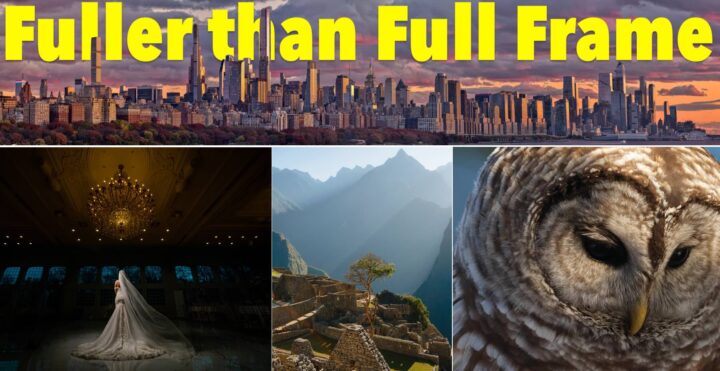
Suddenly there was a camera on the market, with a sensor 70% bigger… of fuller… than full frame and in some cases even smaller bodies than some full frame cameras.
- A Tale of a Hiking Fuller than Full Frame, a Sony Shooter Lusting after Fujifilm Colors and a Rumor Storm to Come
- Fujifilm GFX100S vs Full Frame Size Comparison (Sony A7RIV, Canon R5, Panasonic S1R, Nikon Z7II)
At this point the full frame mantra “a bigger sensor is always better” was no longer a proper marketing or forum phrase, as this would implicitly mean that full frame shooters could level up their game and get 70% better “Image quality” (whatever that means) by using the Fujifilm GFX system.
So the new full frame narrative became: sensor size is not everything. Smaller sensors have advantages in terms of speed, size, price and more.
That’s correct, but does it sound familiar?
You got it, that’s exactly what Fujifilm said right from the beginning: sensor size is not everything. Finally also the Full Frame world got this message.
Look, everything is a compromise, a balance, a matter of choices and priorities. And there is no “best” system. Sensor size is just one of the many aspects to take into account when choosing your system.
Fujifilm’s Contradiction?
So we established it by now: many Full Frame supporters contradicted themselves by first saying that a bigger sensor size is always better and then adopting Fujifilm’s point of view that a bigger sensor is actually not always better.
But did Fujifilm contradict itself too?
Because if sensor size is not everything, why even bother launching the GFX system?
Well, I see no contradiction, and here is why.
First off: when launching a second system, Fujifilm did not look at the market as a whole, but at their own offering. And from their point of view, precisely because sensor size is not everything, the difference between APS-C and Full Frame was not enough to justify an additional FF system.
Add to that the plethora of advantages that X-Trans offers (less color noise, less moire, more pleasing film-like grain and more), and going Full Frame made even less sense.
And yes, some trashtalked X-Trans for having some flaws, but we debunked those a long time ago with hardcore facts.
So, for Fujifilm, the combination APS-C and X-Trans was the way to go.
But Fujifilm also realized one thing: there are photographers out there, who can make compromises on many things, but not on image quality – and here is where the Fujifilm GFX system comes in.
If you are anyway willing to compromise on image quality for other benefits (smaller size, more affordable, faster sensor readout, etc), then APS-C is probably the sweetspot (as DPReview, Petapixel and other claimed here).
But if you are not willing to sacrifice on image quality (without breaking your bank account) then Fujifilm GFX is the way to go: it will give you the best image quality possible at a reasonable price.
Yes, you are going to spend more money, you will have bigger lenses, the sensor readout will be slower and what not. But if you can accept those compromises, you’ll be rewarded with the best image quality you can find on the market in a still portable (I talk out of experience) and fairly priced package.
So, there is no contradiction: for Fujifilm it just made sense to offer APS-C for those, who want a balanced system and GFX for those who can’t compromise in image quality. It’s consistent and logical.
I am not here saying this was the right choice. Only time will tell. But it’s a choice I understand from Fujifilm’s point of view.
- GF LENSES
- GF55mmF1.7 R WR – save $500
BHphoto / Amazon / Adorama - GF80mmF1.7 R WR – save $500
BHphoto / Amazon / Adorama / Focuscamera / Moment - GF110mmF2 R LM WR – save $500
BHphoto / Amazon / Adorama - GF20-35mmF4 R WR – save $500
BHphoto / Amazon / Adorama / Moment - GF45-100mmF4 R LM WR – save $500
BHphoto / Amazon / Adorama - GF100-200mmF5.6 R LM OIS WR – save $500
BHphoto / Amazon / Adorama / Moment / Paul’s Photo - CAMERA BUNDLES
- GFX100 II + GF 20-35mm f/4 – save $1,000
BHphoto / Amazon / Adorama - GFX100 II + GF 45-100mm f/4 – save $1,000
BHphoto / Amazon / Adorama - GFX100 II + GF 100-200mm f/5.6 – save $1,000
BHphoto / Amazon / Adorama - GFX100 II + GF 55mm f/1.7 – save $1,000
BHphoto / Amazon / Adorama - GFX100 II + GF110mm f/1.7 – save $1,000
BHphoto / Amazon / Adorama - GFX100S II + GF 20-35mm f/4 – save $1,000
BHphoto / Amazon / Adorama - GFX100S II + GF 45-100mm f/4 – save $1,000
BHphoto / Amazon / Adorama - GFX100S II + GF 100-200mm f/5.6 – save $1,000
BHphoto / Amazon / Adorama - GFX100S II + GF 55mm f/1.7 – save $1,000
BHphoto / Amazon / Adorama - GFX100S II + GF110mm f/1.7 – save $1,000
BHphoto / Amazon / Adorama
Enough Talk
And now to the true point of this article: the images!
I went through the work shared at our Fujifilm GFX group and selected some images.
This is just a little taste of what the GFX system can do for you ;).
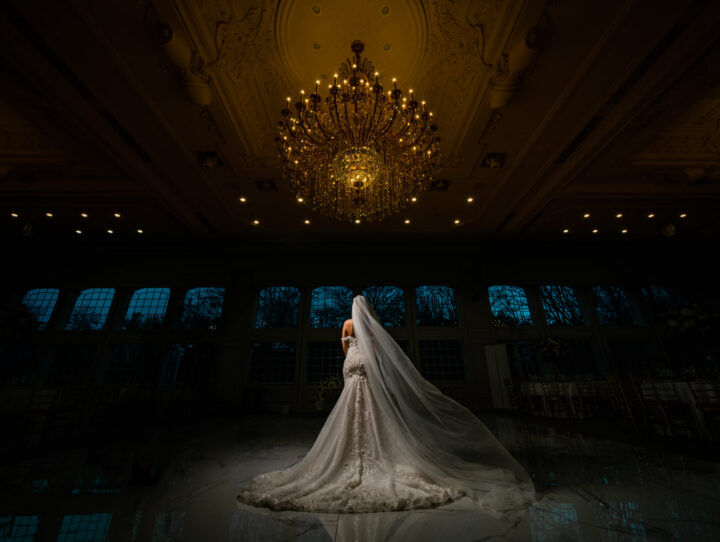
Esteban Gil – shared here
GFX100 You shouldn’t use non native lenses on the GFX.
My cheap laowa 17mm: Hold my beer
Magbox+AD300
_ _ _
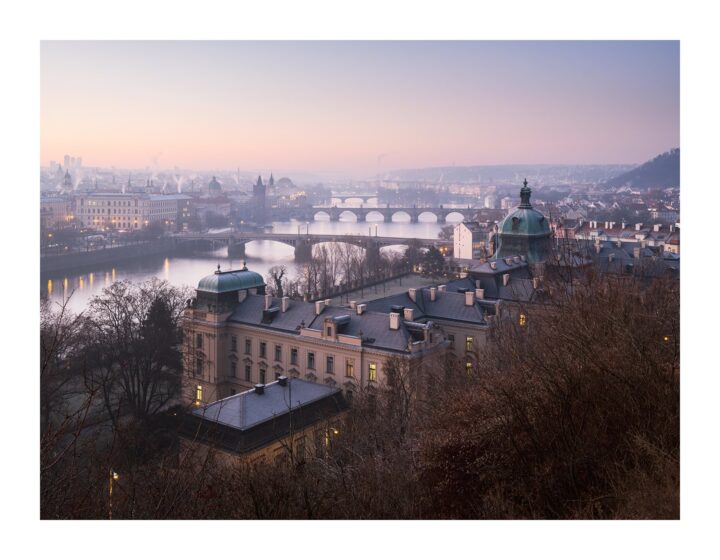
Michal Kvard – shared here
Fuji GFX100s + GF 45 mm f/2,8
_ _ _
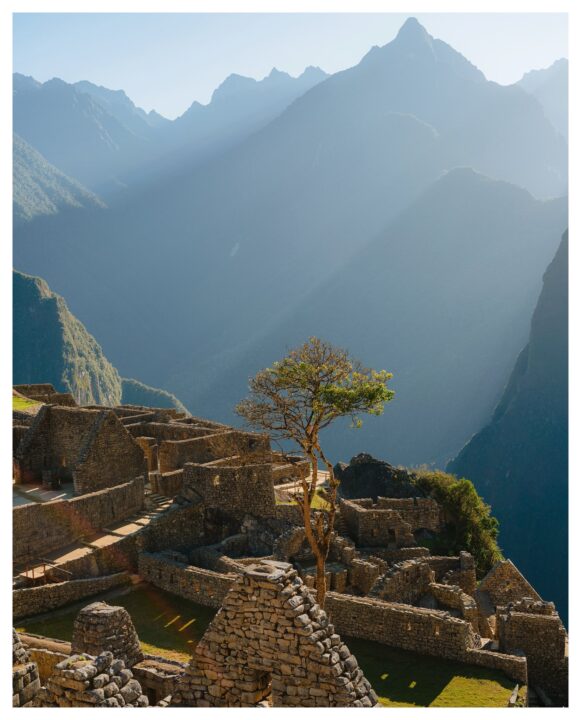
Oleh Slobodeniuk – shared here
Peru on Gfx100ii and 55mm
_ _ _
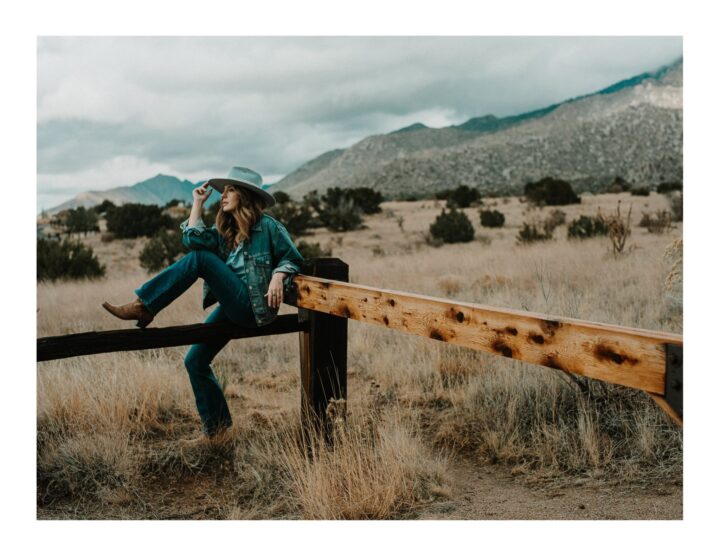
Billy Nguyen – shared here
GFX 50r with Mitakon 65mm 1.4
_ _ _
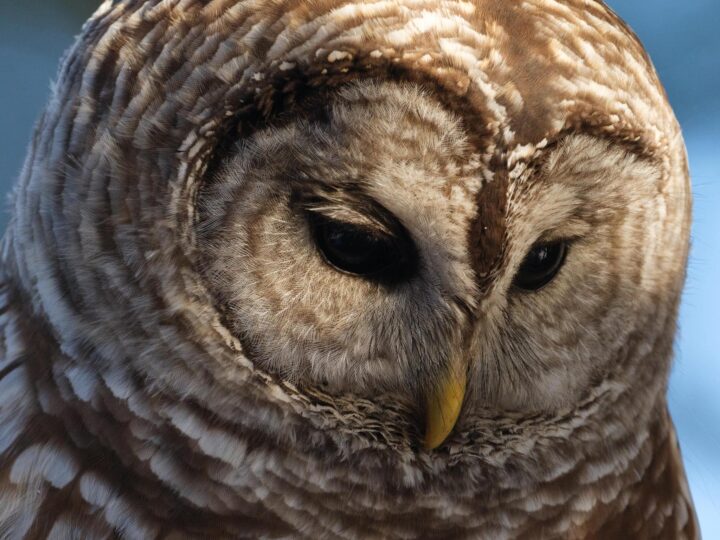
Clayton Kennedy – shared here
_ _ _
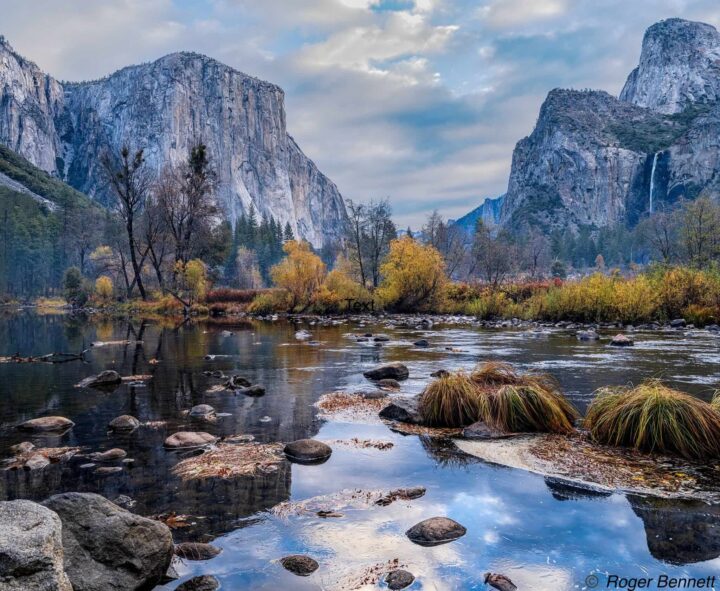
Roger Bennett – shared here
Using the Fuji 100S and 32-64 mm lens. Yosemite Valley this November.
_ _ _
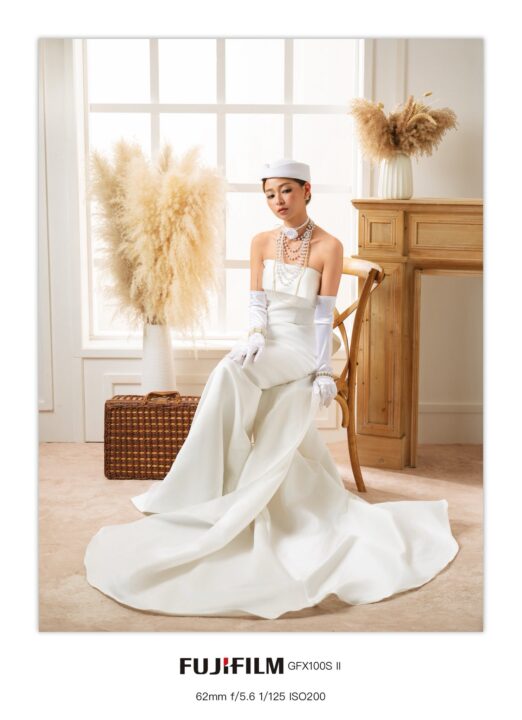
Ben Foo – shared here
GFX100sii with 45-100 F4 studio portrait
_ _ _
Hank Gans – shared here
My first Manhattan panorama with the GFX100S. The panoramic photo is 3 feet high by 15 feet wide at 300ppi. People can be seen in midtown windows in the full sized image. The lens is the 250mm f/4 GF lens with the 1.4X extender. Why make a panorama this big? I sell to publishers that will print this as a mural. But I also print these panoramas on canvas. I would probably do this one in four stretched canvas squares that would be 36X36 inches each.

_ _ _
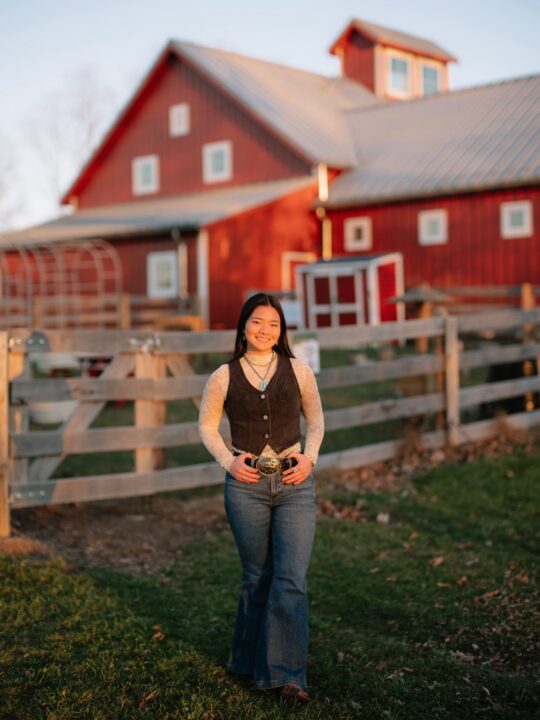
Ethan Burrage – shared here
_ _ _
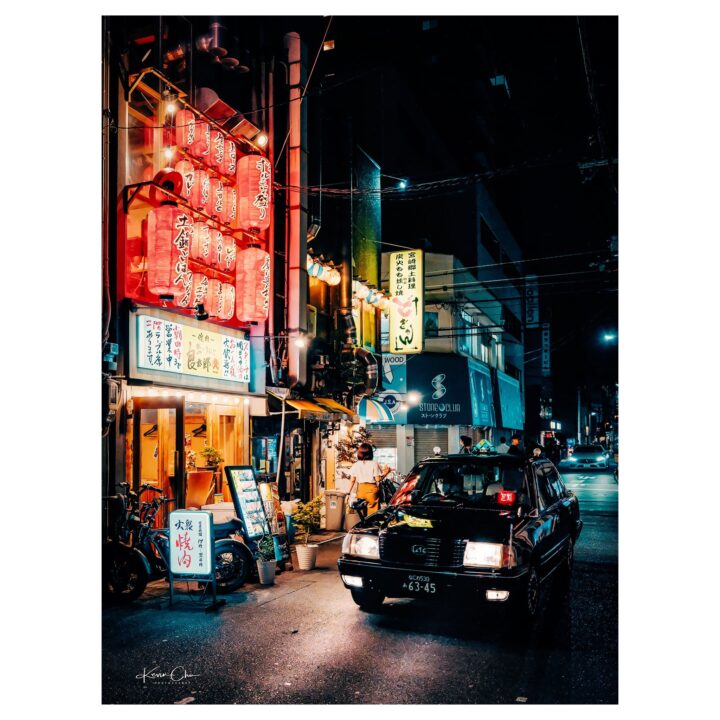
Kevin Chu – shared here
Osaka
GFX100RF
_ _ _
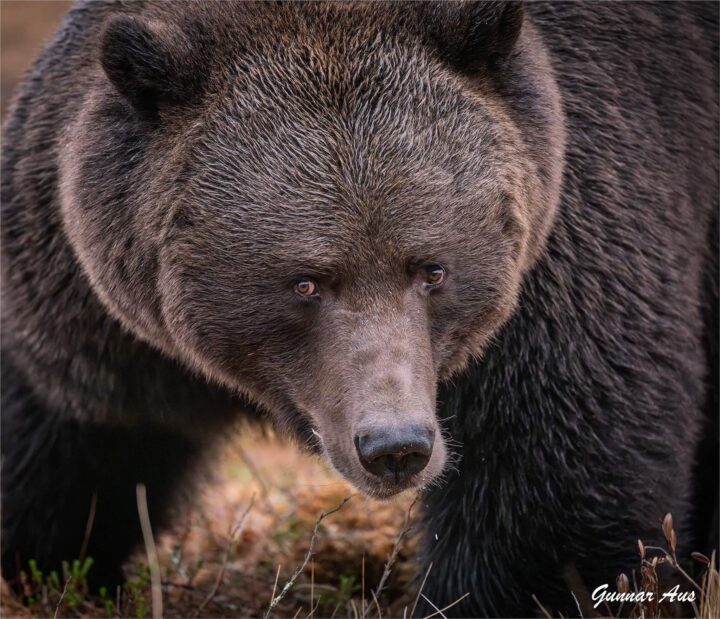
Gunnar Aus – shared here
Testing Fuji GFX 100Sii for wildlife. Here with GF 500/5,6. ISO 6400, f5,6, 1/250 sek. Finland, from hide.
_ _ _
Oleh Slobodeniuk – shared here
Gfx100ii + 55mm
Japan
Inst. olehslobodeniuk