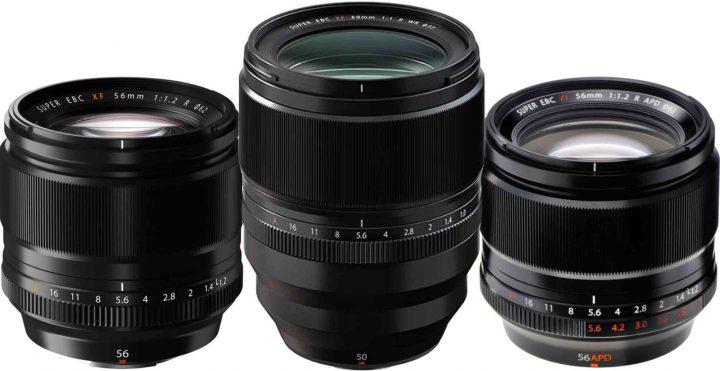
Sure, the big eye-catcher is that “EFF-ONE-POINT-ZERO”, which makes it worlds first mirrorless f/1.0 lens with autofocus.
But what if I told you, that by focusing on the super-shallow DOF, we actually miss out on the probably even more exciting features of the brand new XF50mm f/1.0?
Because, in my opinion, beating the DOF of the 56/1.2 is not the point of this lens, or at least not the only one, and certainly not the main one.
So, my job is done. FR unveiled it all for you. Now feel free to do what you can do best here on FujiRumors: commenting and letting us know what you think about it!
Well, the Fujinon XF10-24 is a great lens already (and I own it), but there were two things I never understood:
why Fujifilm didn’t make it weather sealed (sure, there was no weather sealed Fujifilm X camera when the XF10-24 was launched, but the glorious Fujifilm X-T1 would have followed just 2 months after the XF10-24mmF4 release)
why Fujifilm didn’t give it a marked aperture ring, since it has a constant f/4 aperture
I strongly hope that Fujifilm will implement those two features on the upcoming Fujinon XF10-24mm MK II.
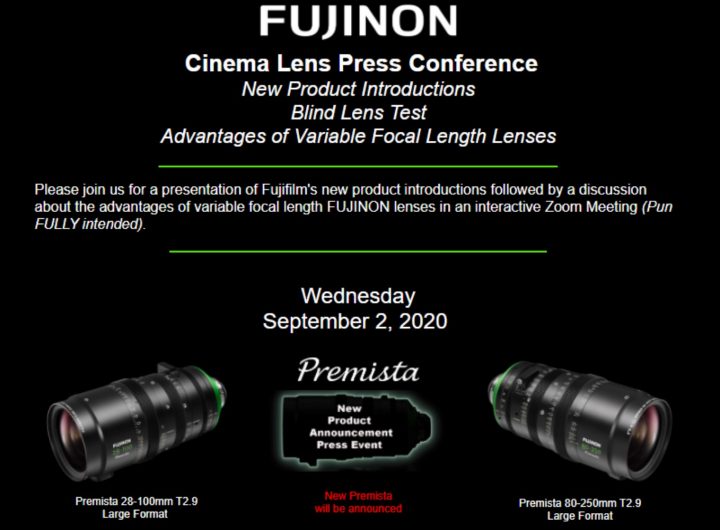
10:00am – London – BST
11:00am – Central Europe – CEST
Noon – Moscow – MSK
2:30pm – India – IST
5:00pm – Beijing – UTC
6:00pm -Tokyo – UTC
7:00pm – Sydney – AEST
10:00am Los Angeles – PDT
Noon – Mexico City – CDT
1:00pm – New York – EDT
2:00pm – São Paulo – BRT
6:00pm – London – BST
7:00pm – Johannesburg – CEST
8:30pm – India – IST
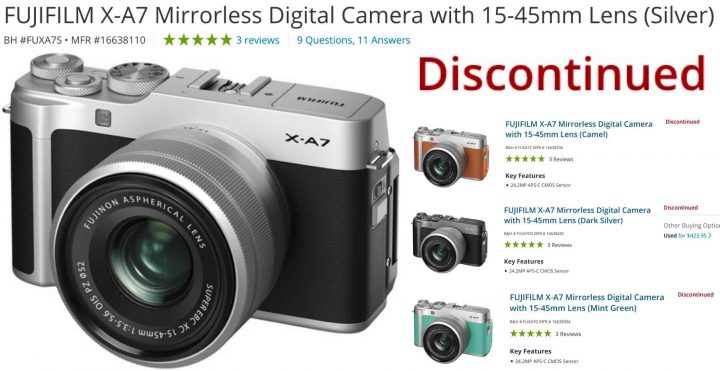
The Fujifilm X-A7 is actually a lovely little entry level camera launched just almost a year ago and hit the market about 11 months ago.
But now it is already marked as discontinued at BHphoto here, it’s on low stock or backordered at Adorama here and it’s unavailable also at AmazonUS here (where you might find some via third party only) and FocusCamera.
For a long time, the Fujifilm X-A line was an absolute best seller in Asia, especially in Thailand. In fact, pushed by the X-A line, Fujifilm was able to outsell all other camera brands (Canon included) and reach an incredible 50% mirrorless market share.
the camera is going to be replaced already and we will soon get a Fujifilm X-A8
the X-A line lost its magic appeal in Thailand and sold terribly bad
Looking at the Fujifilm X-A line release timeline, we can see that there was a successor about ever 16 to 18 months. If Fujifilm would stick with that, then the Fujifilm X-A8 should come in early 2021. So in my opinion, it’s a bit too early to discontinue the X-A7, but maybe Fujifilm doesn’t think so, or they are really going to replace the X-A7 earlier than expected.
More likely in my opinion is that the X-A line just lost its magic in Asia, especially in Thailand, and that it fell victim to the rise of smartphones and to COVID-19.
Fujifilm managers said in March 2018 to dpreivew: “In Thailand, our market share for mirrorless is over 40%.”
Fuji Guys Billy said in February 2017, that “Fujifilm is Nr.1 brand in Thailand“. He does not specify if DSLR is included, but it seems from the video he is including DSLR cameras, too.
in 2016 a source told me that “Fujifilm was the best-selling MILC in 2015, outselling all the Canon interchangeable lens cameras (DSLR and those EOS-M lines) combined“
a Manager said to Spanish website in 2016, that ““there is a little known fact: in Thailand, for example, X-A series outsells Canon!”
Of course, when zooming in a lot into the image, the 61 megapixel have an advantage in terms of resolution. But I guess if resolution is what you need, then why just be happy with 61 MP when you can get 102 megapixel with the Fujifilm GFX100 ;).
Then they compared the depth of field between the XF56mmF1.2 and the FE85mmF1.4 and the Sony blurs the background a bit more. Warwick says he should have used the XF56mmF1.2 APD version to get results even closer to the ones you get with the Sony 85mmF1.4.
A bit more dynamic range for the Sony, but the APS-C sensor hold up very well.
APS-C systems are generally smaller and more affordable.
Georges ends up saying that after looking at the samples, there is a difference between FF and APS-C, but it is a lot smaller than he would have expected.
Warwick ends up saying that Fujifilm wants to keep the APS-C system smaller and lighter, and for that purpose APS-C is better as it allows for smaller lenses. He also speaks for X-Trans, which he says has advantages over Bayer (which FujiRumors explained here, but we also talked about disadvantages in the same post).
Warwick concludes that “smaller and lighter means you are going to use it also more“.
George ends up saying, it all comes down to personal preferences as each system as its Pros and Cons (which we highlighted in this article).
Fringer is currently developing the Nikon F to Fujifilm X smart adapter.
The first engineering sample is now ready and you can see a working prototype in the video above.
It supports electronic aperture control for D, G and E lenses and auto focus for AF-S and AF-P lenses. Like Fringer EF-FX adapters, PDAF works very well on newer X-Trans cameras like Fujifilm X-T3, Fujifilm X-T4, etc.
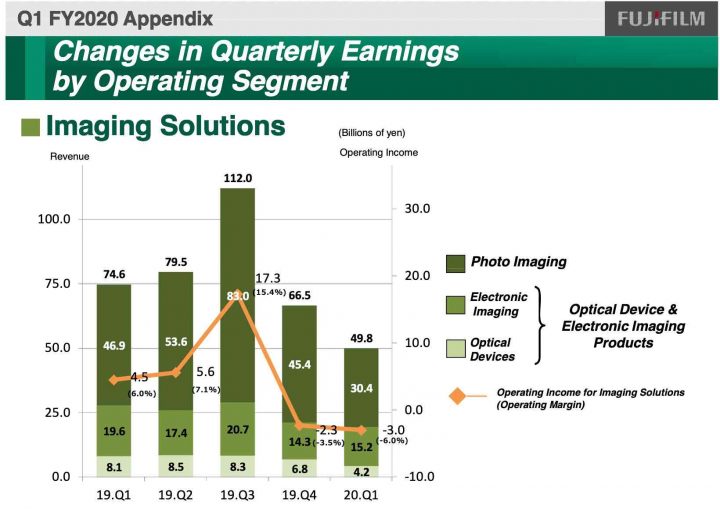
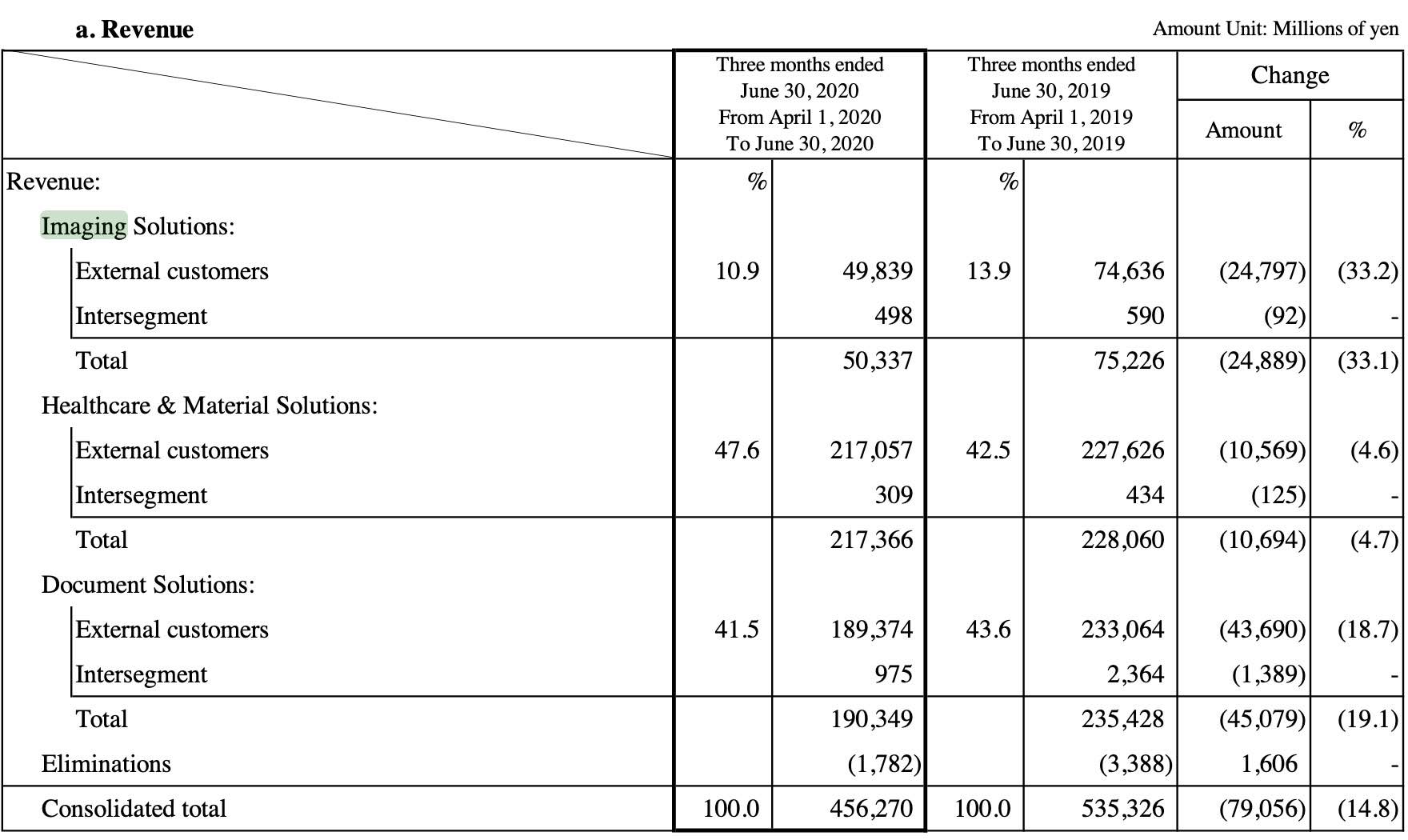
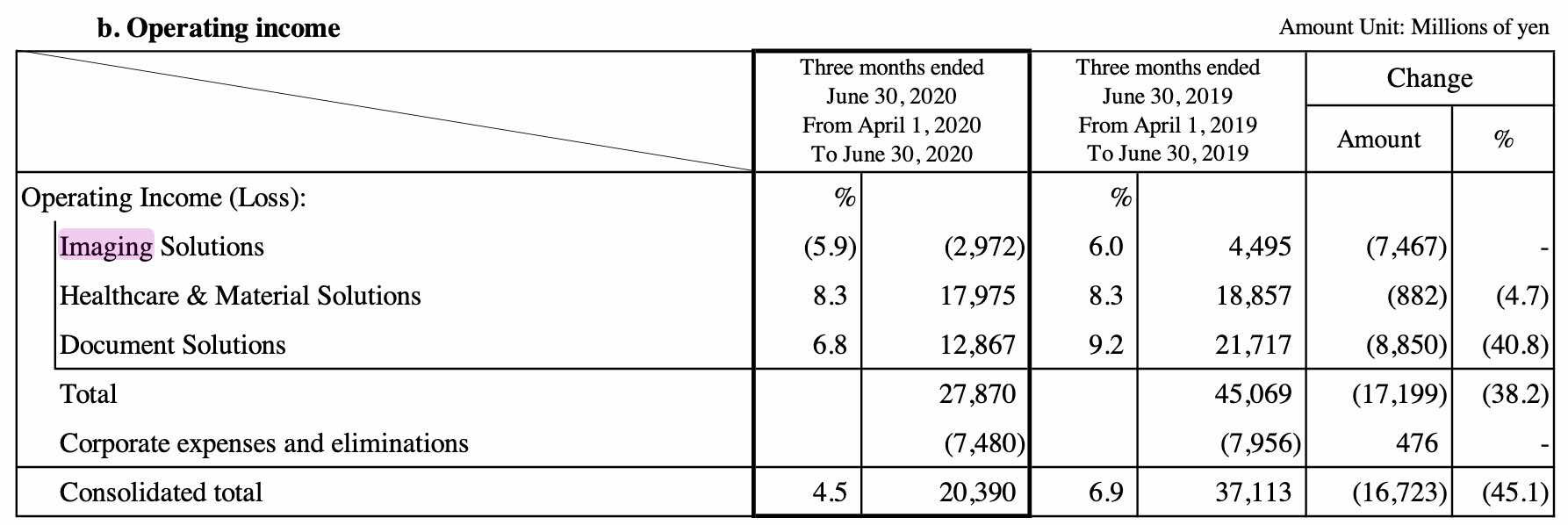
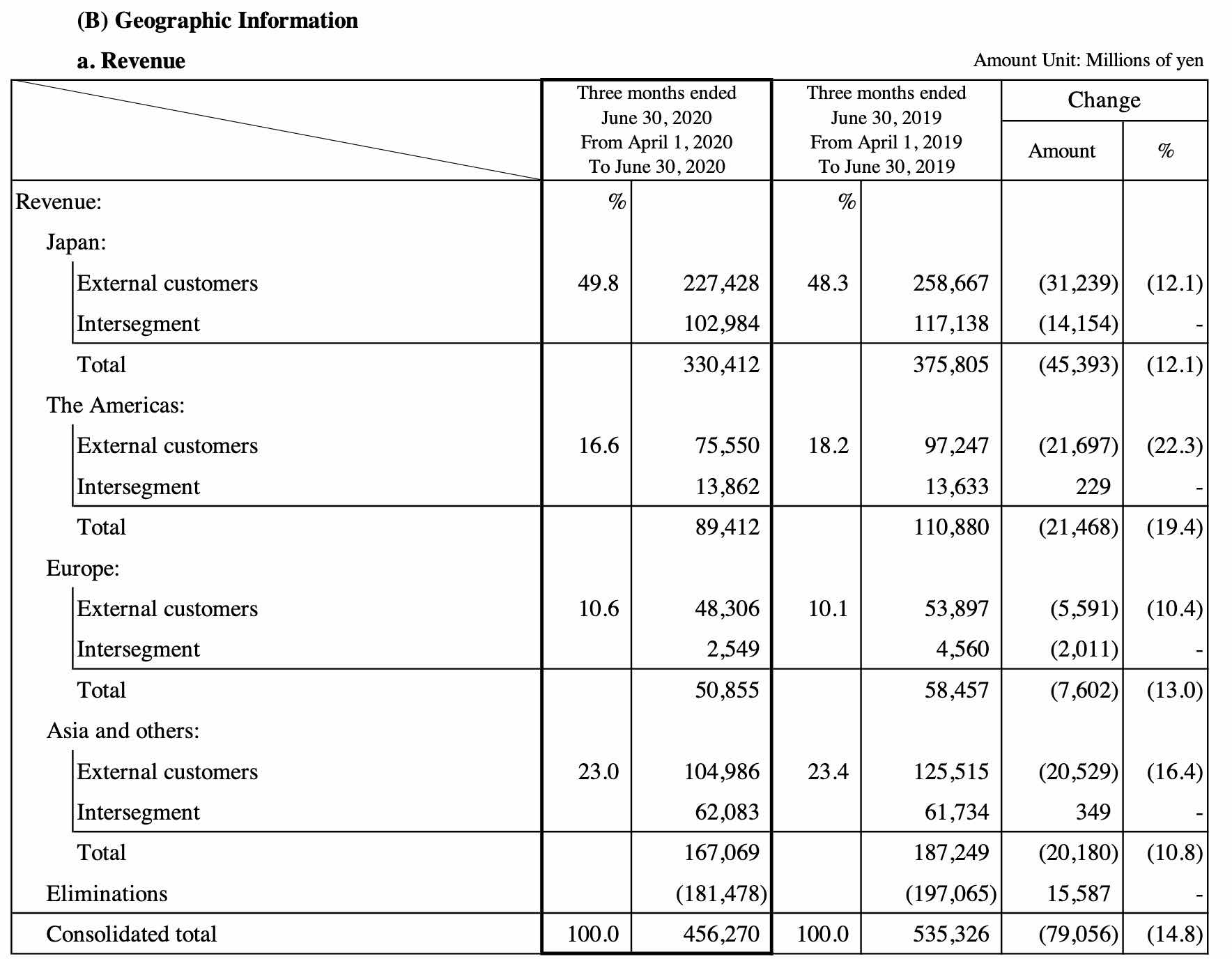
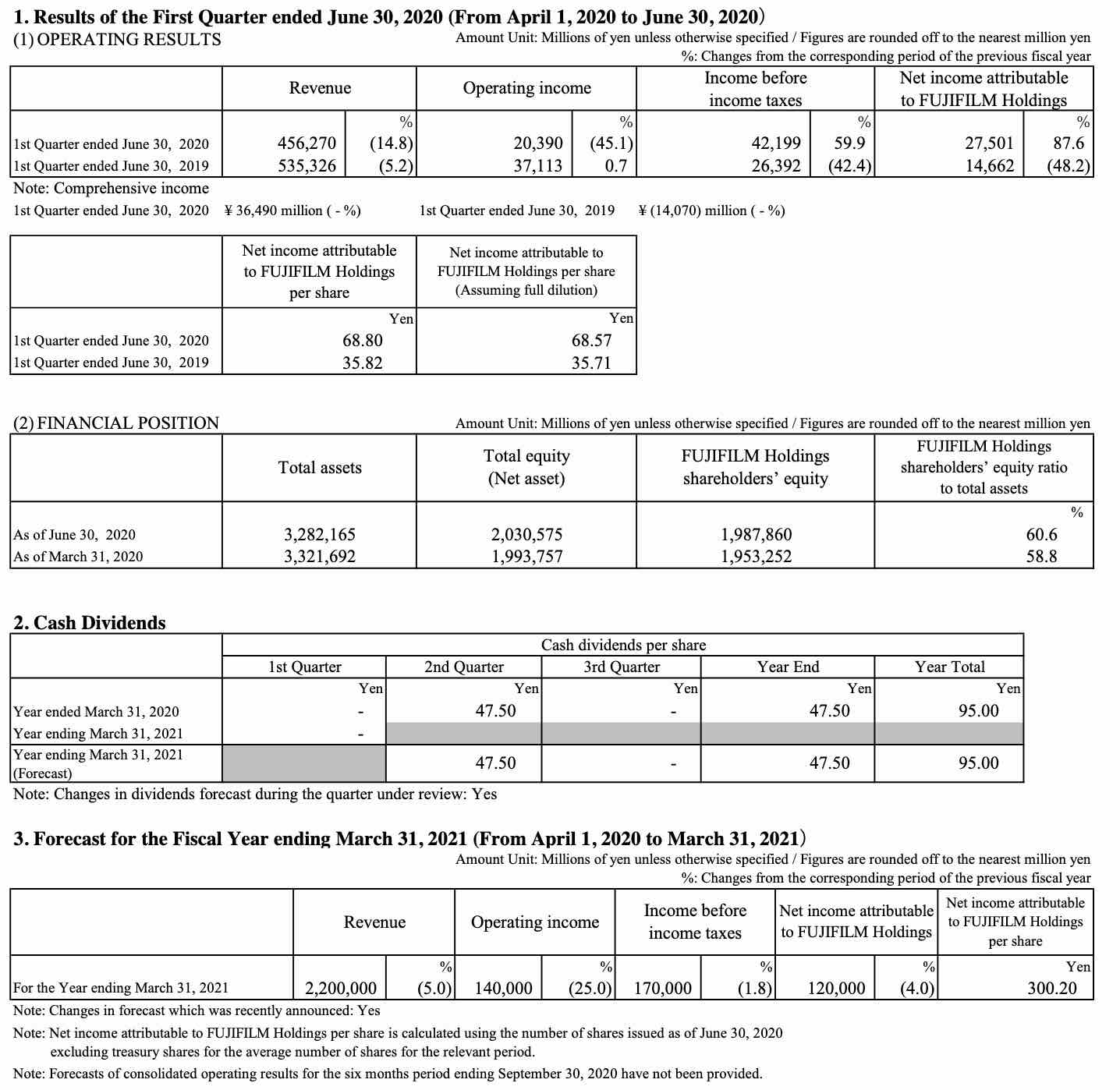
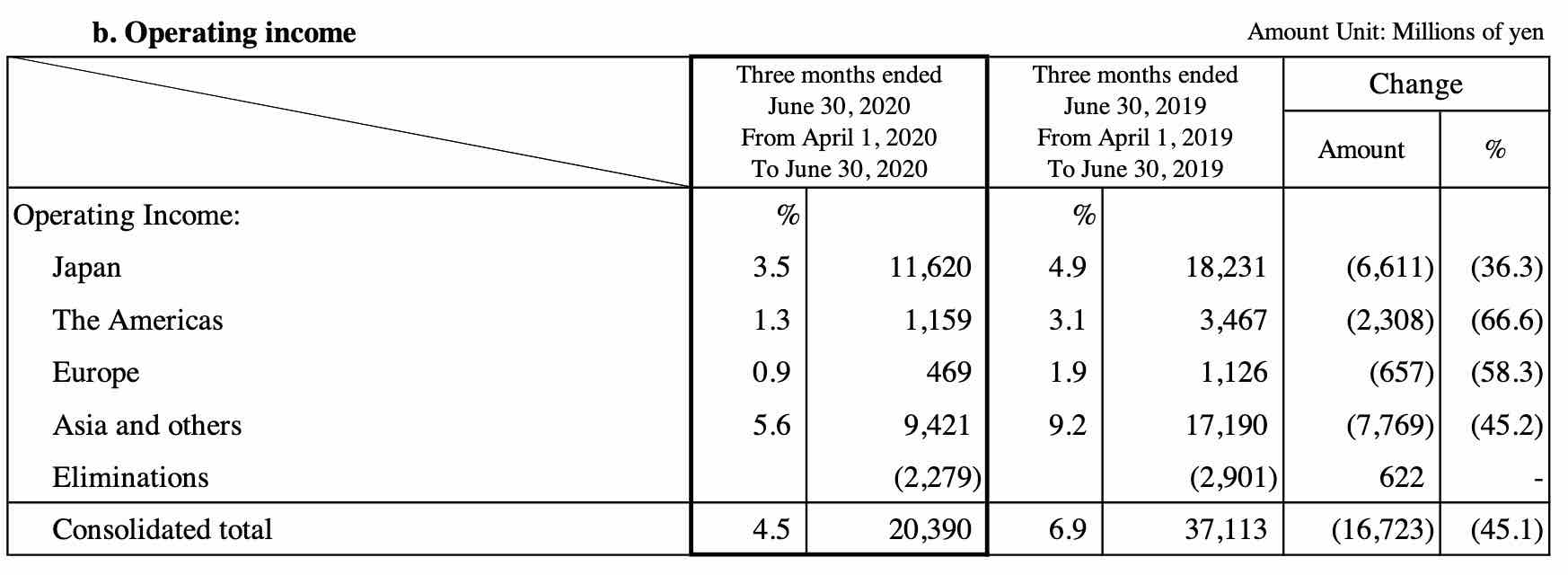
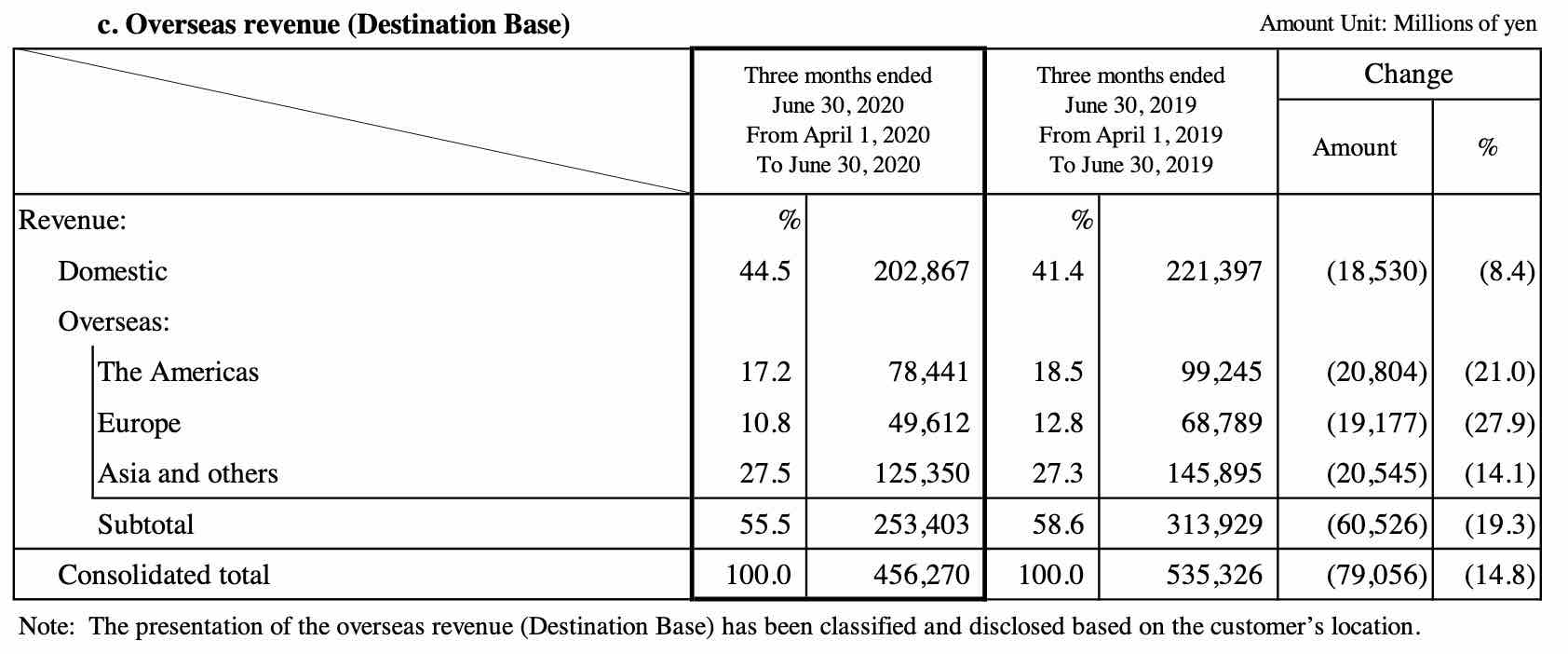
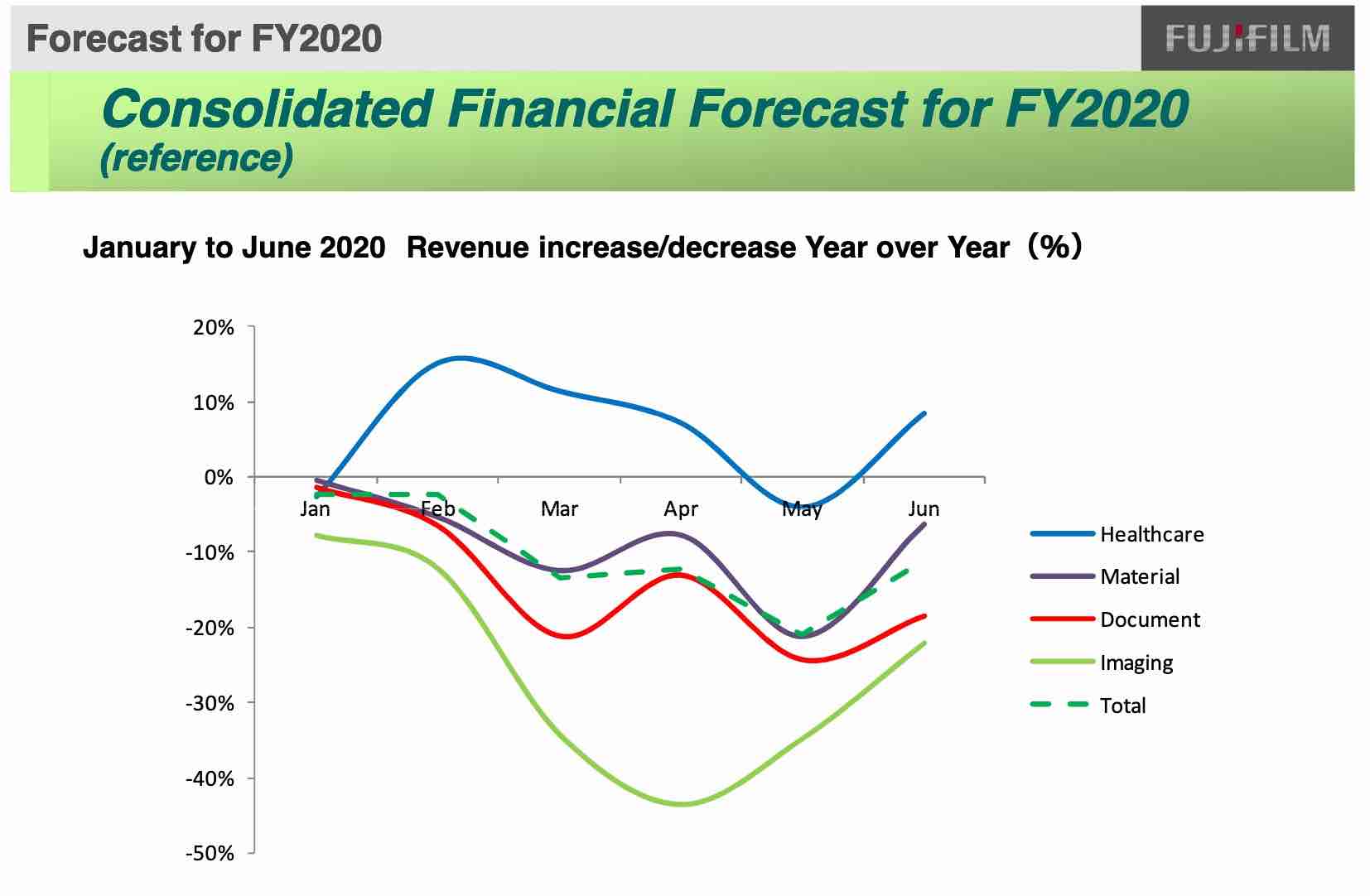
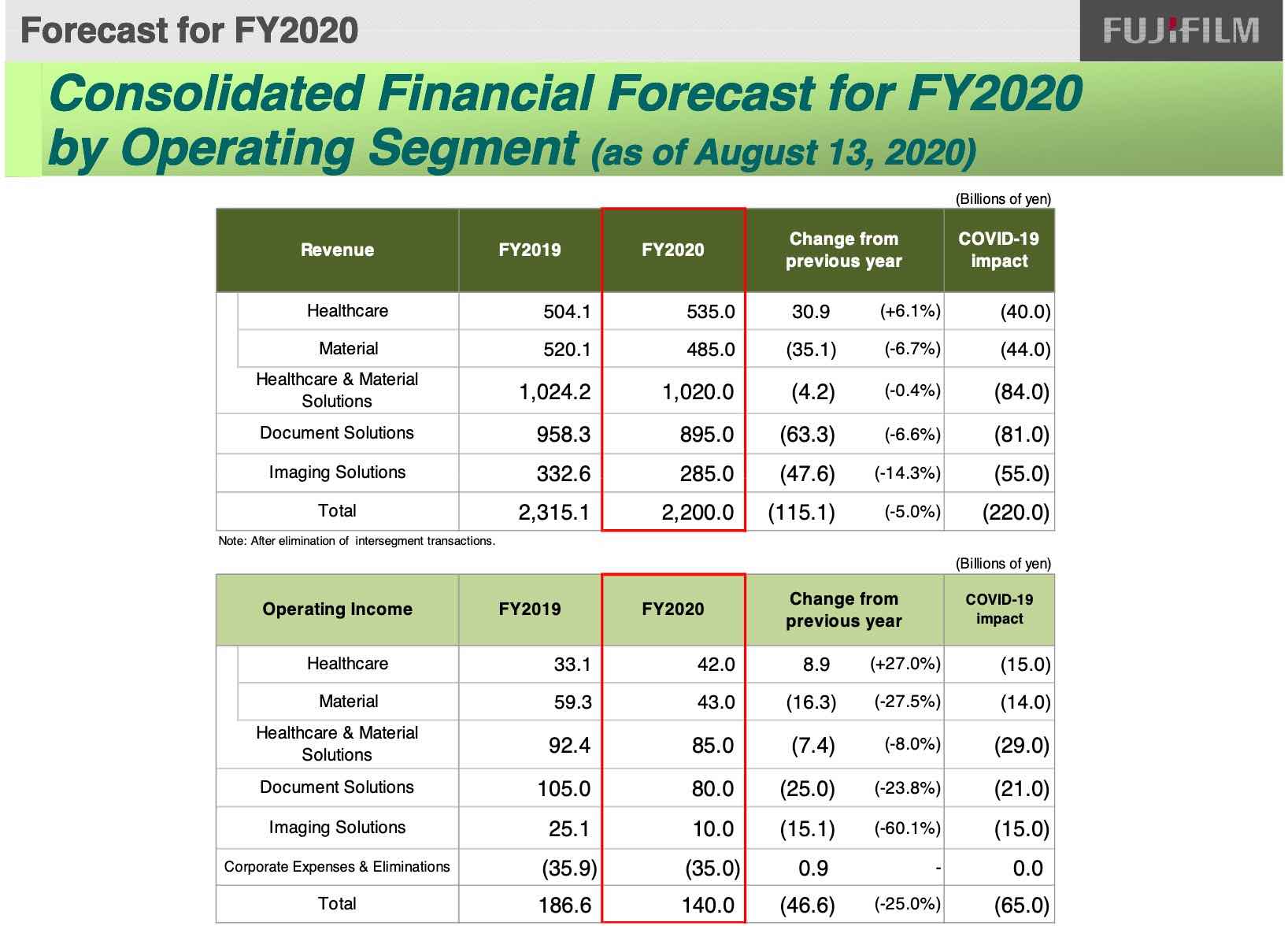
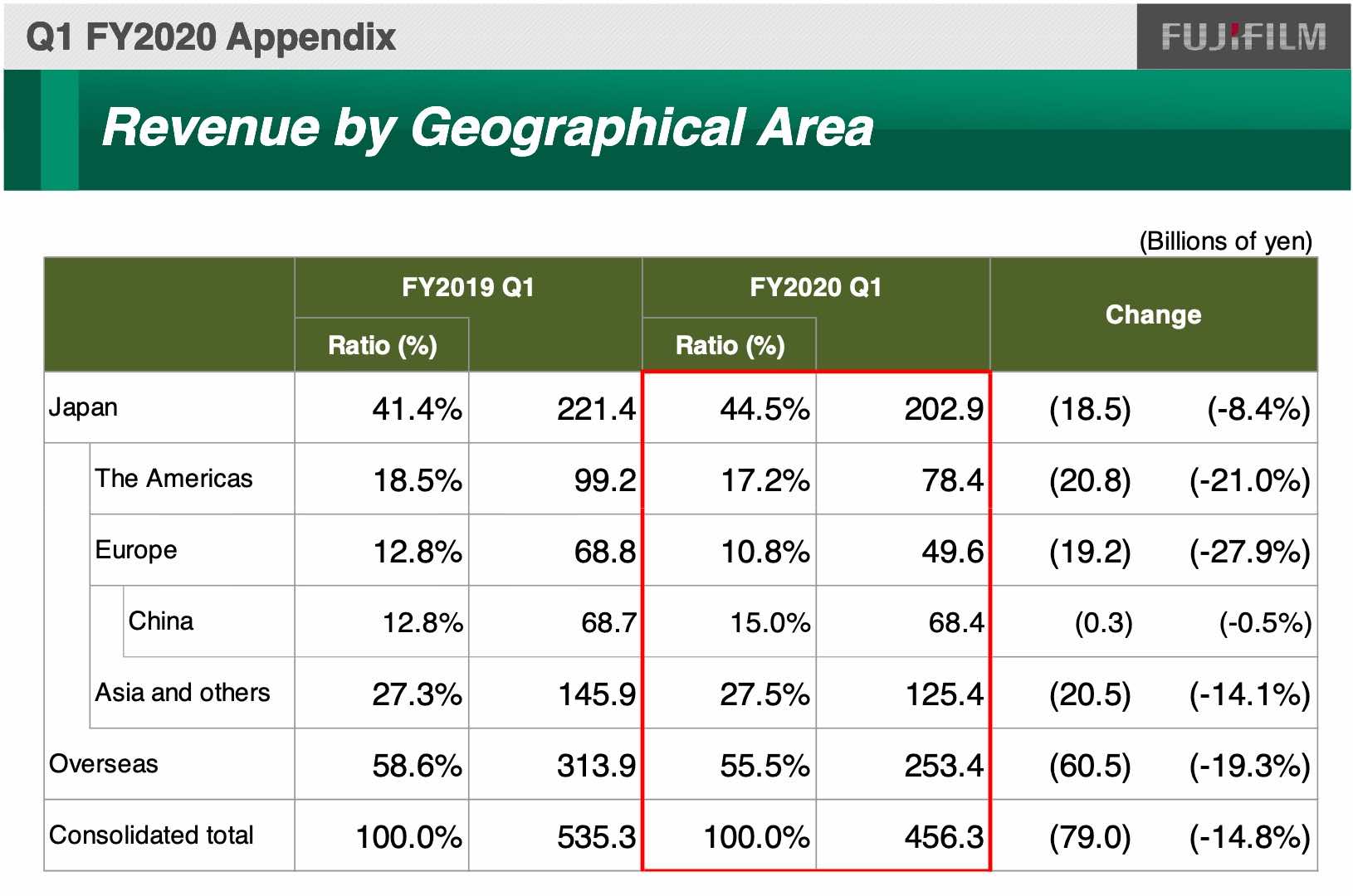
Fujifilm has just published the financial results for the first quarter of this fiscal year (1 April 2020 to 30 June 2020).
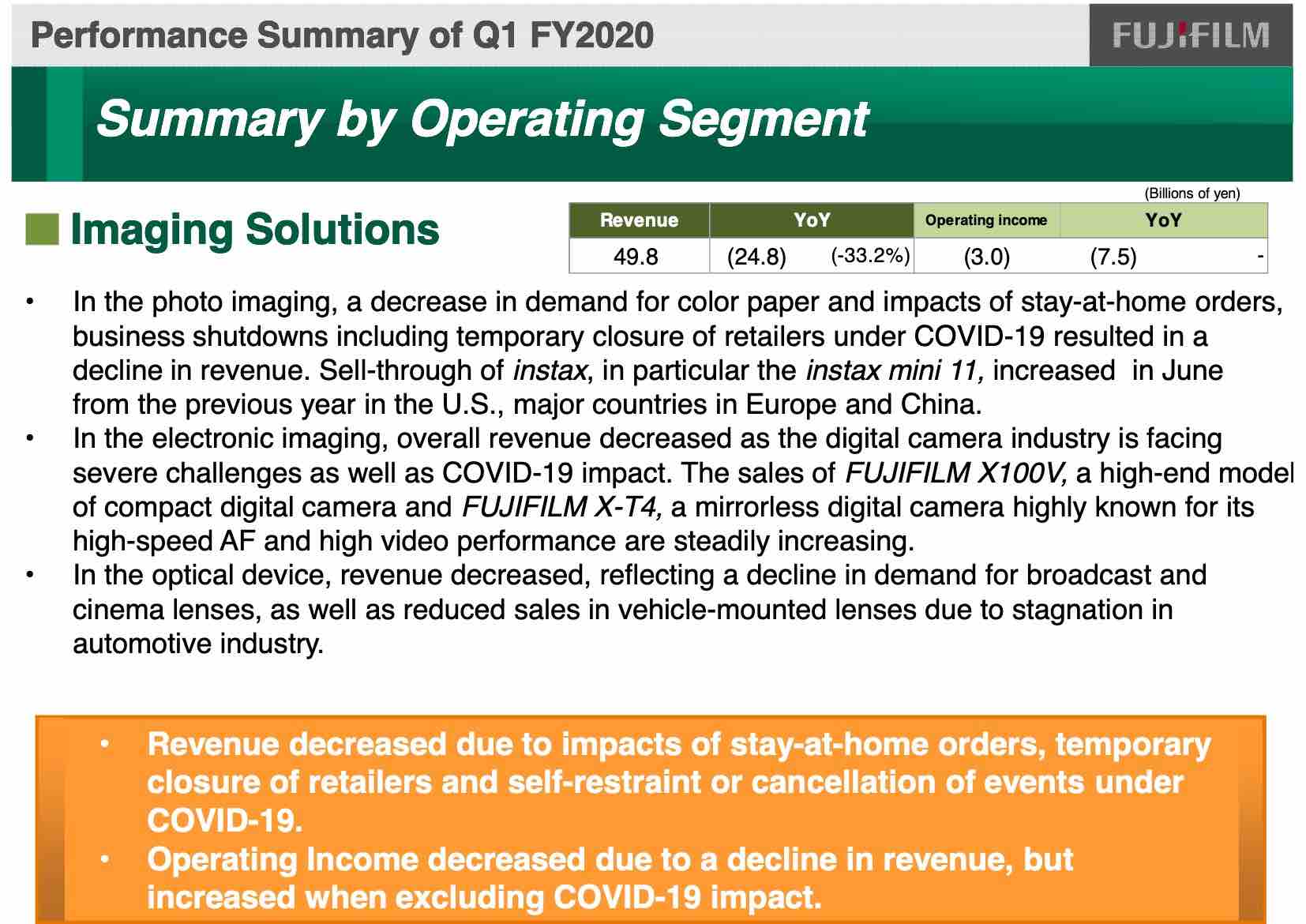
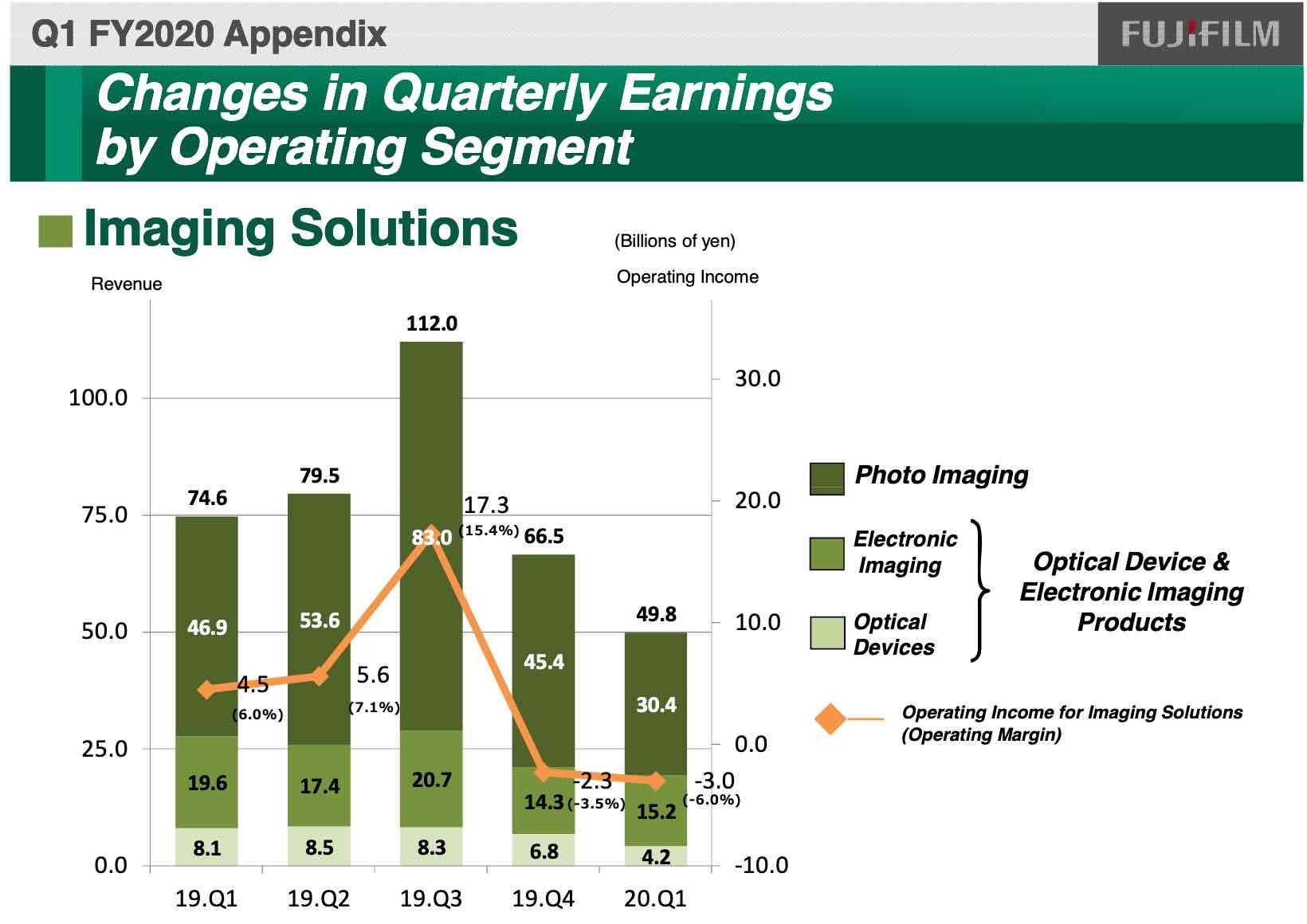
Here is what Fujifilm writes in its report about the imaging solution:
Imaging Solutions
In the Imaging Solutions segment, consolidated revenue amounted to ¥49.8 billion (down 33.2% from the same period of the previous fiscal year). The sales of products and services in general decreased due to impacts of stay-at-home orders, business shutdowns including temporary closure of retailers, and self-restraintor cancellation of events worldwide under the spread of COVID-19 pandemic. Consolidated operating loss amounted to ¥3.0 billion. […]
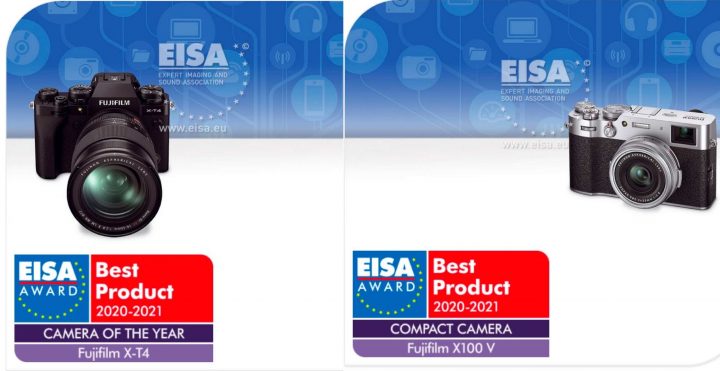
In the electronic imaging field of the optical device and electronic imaging business, temporary closure of retailers and less opportunities to take photos due to the COVID-19 pandemic resulted in a decline in revenue. The sales of FUJIFILM X100V, a high-end model of compact digital camera launched in February 2020 and FUJIFILM X-T4, a mirrorless digital camera highly known for its high-speed AF and high video performance, launched in April 2020, are steadily increasing, despite the digital camera industry is facing severe challenges. We will continue providing value-added products and revitalizing the market, along with sharing the joy of taking photos.
In the optical device field, revenue decreased, reflecting a decline in demand for broadcast and cinema lenses, as well as reduced sales in vehicle-mounted lenses due to stagnation in automotive industry. With an aim to accelerate business growth, we are expanding business fields by developing and launching innovative products that satisfy changing needs of the market, such as ultra-short throw projectors and long throw security cameras.