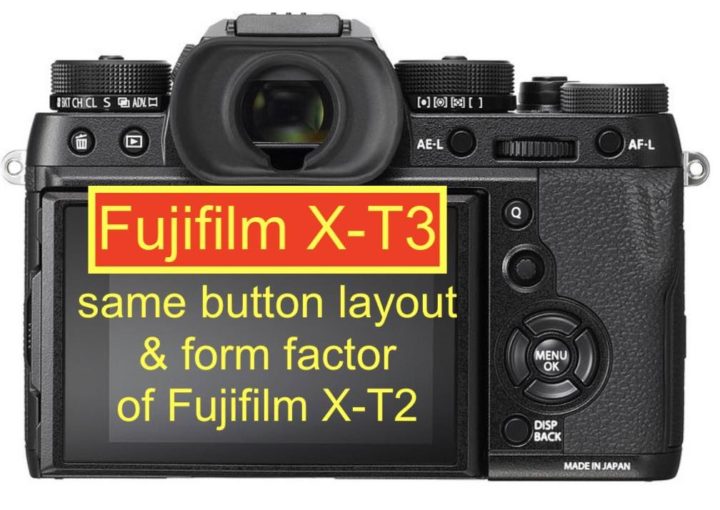
I have been informed (thanks) that the Fujifilm X-T3 will have the same button layout of the Fujifilm X-T2. Also the form factor will remain the same, with just some minor changes. Hence, once it will be announced, you won’t really notice any difference over the X-T2.
For me this is a good news, since the X-T design is loved by many just as it is now. Fujifilm did create the X-H line appositely to have more design freedom and craft a more DSLR-like camera. But the X-T should mantain it’s current form factor.
A kind FR-reader (thanks) dropped me the link to a nice read for the weekend.
But before I share it, just allow me say a quick (but big) “thank you” to all FR-readers, who share with FR the interesting Fuji-stuff they find on the web.
You make it possible that FujiRumors is always the first to break the news and rumor, and also the first to share links in live bloggings and much more. I don’t know any other way to return you guys the favor you do to me, other than keep this blog running with enthusiasm, joy and dedication.
I’m so positive, motivated and full of energy like never before. So thanks so much to everybody for your help and support :)
At the end they visit the very best place of all the tour… but read further below, to discover what it is :)
The tour starts at the Fujifilm Omiya Headquarters, where Jon talks with a Fujifilm manger about the Fujifilm GFX 50s. and especially about the new Cinema MK lenses, the MK18-55mm F2.9 and MK50-130mm T2.9. As we already reported here, X-mount version of the lenses will come by the end of the year 2017.
A curiosity, why Fujifilm called their new cinema lenses “MK” lenses:
“M for Movie, Manual, Mobility, Marvelous, Multiple-use! Also, perhaps it can be said that in Video you “take the shot.” In stills, you “take” a photograph. But in movies, you “make” a film. You are a film maker. So MK.”
Then they continue to the Fujifilm Taiwa Factory:
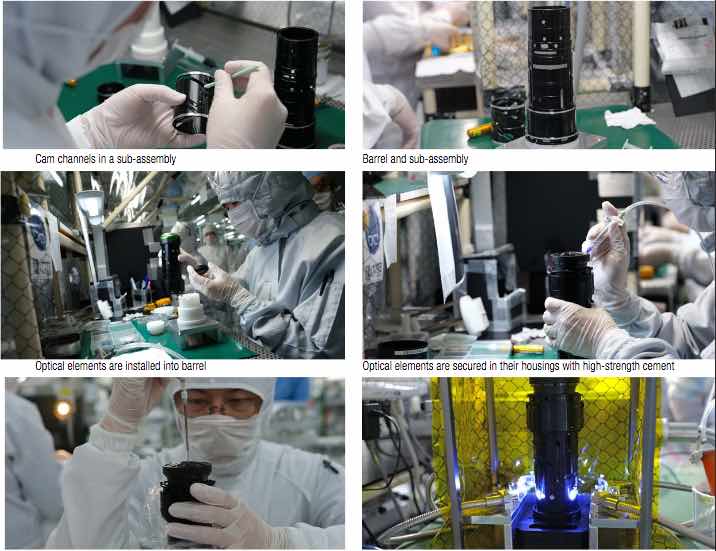
“More than 1,000 people work in the vast Fujifilm Taiwa Factory, assembling X-series and GFX cameras, components and other products. A new, dedicated area has been set up for a highly skilled team to build Fujinon MK lenses.”
Regarding the MK lenses, they say:
“The philosophy of the MK lenses is affordablity for independent productions. To keep the cost down and the manufacturing yield high, Fujinon has combined techniques from their experience in high-yield manufacturing (still cameras and lenses) and high-precision, high-end lens crafting. The trick seems to the their use of molded, composite lens barrels and mechanical sub-assemblies. Traditionally, these components have been milled on CNC machines from metal. Advantages of composites include speed of manufacturing, resistance to temperature variations in the field, and advanced structural possibilities.”
And what’s the best way to end a hard day visiting factories and interviewing Fujifilm managers? Right, get a good Whisky :). So the tour ends at the Nikka Whisky Miyagikyo Sendai Distillery.
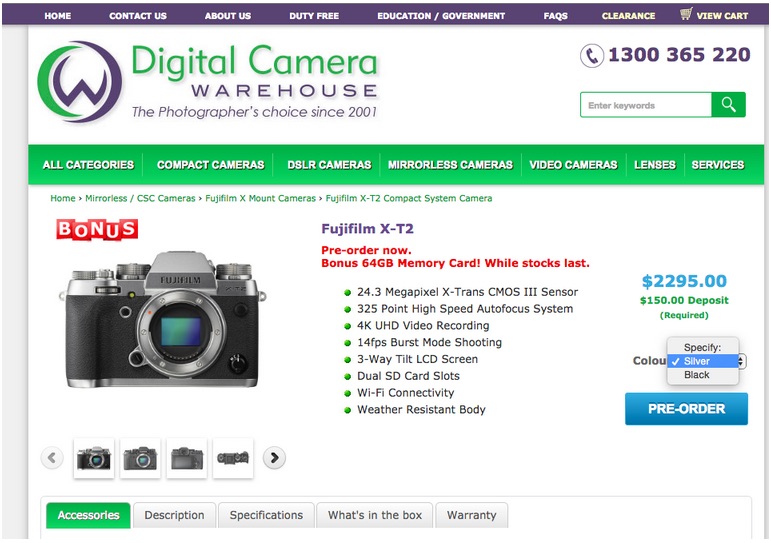
The graphite/silver Fujifilm X-Pro2/X-T2 and XF23mmF2 will be announced before January 19th (when Fujifilm will launch the GFX, X-T20 and X100F). So we are going to have 2 separate announcements in January :)
It’s a Super-Fuji Month… so make sure not to miss anything by:
* NEW *: Allow Quick&Small Push Notifications in your browser window. Click the little ring icon on the bottom right of the browser window to join (or manage anytime) your subscription.
Travel photography demands high technical performances of a camera. A suitable camera should be able to reliably deal with constantly changing lighting conditions (dynamic range, ISO-performance, white balance) and react as fast as possible to spontaneous moments and movements (autofocus), just to mention the most important requirements. Among the “must have” of such an all-rounder camera are anyway colour-balanced and sharp photos.
Since the market launch back in 2012, I have been shooting with the Canon 5D Mark III and numerous prime lenses from Canon. The 5D delivers excellent picture quality, is fast-paced, and has a very good ISO performance for most situations. It comes quite close to such all-rounder. However, throughout the past four years I often met and exceeded the limitations of the 5D, which drove me crazy at times and brought me somewhat to the point of despair. These weaknesses include in particular its size, its crazy high weight (12kg in total with all lenses) and its poor dynamic range.
For my trip through Morocco in October, I got the opportunity to photograph with the Fujifilm X-Pro 2 to test the camera thoroughly. I have been wanting to try a mirrorless-system for a long time. Nonetheless, a full frame mirrorless camera would be no option for me. Full-frame mirrorless offers zero advantages compared to full-frame DSLRs in lens size and weight (only the 70-200f.2.8 weights 1,5kg!). So if you have a bag full of gear, the only area where you can save space and weight is the camera body alone which isn’t a big benefit. Initially I was very sceptical towards the idea of changing from a full frame to a supposedly weaker APS-C system. Given my high expectations regarding picture quality, I could hardly imagine that an APS-C camera could nearly keep up with a full frame camera.
My resume after travelling for two weeks with the X-Pro2? I’m just about to sell my entire Canon gear and switch to Fujifilm. Here are the reasons.
Push READ MORE to Enjoy Stunning Images & Read the Full Story