
The Sony A7C Proves My Point: Full Frame Compromises vs APS-C Balance
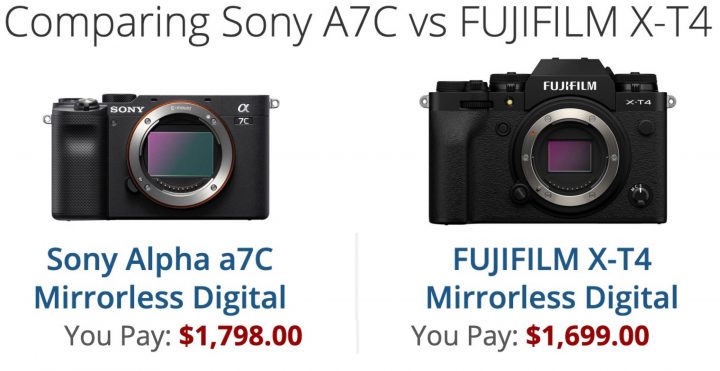
DISCLAIMER: The Sony A7C is a great camera and will push other companies to work harder and to give us customers more features for less price, which is why I love Sony launched it. I think we X shooters will also profit from it.
So, the Sony A7C is real.
It’s small and it’s full frame.
It’s also rather affordable for being full frame, although still more expensive than a high-end APS-C camera like the Fujifilm X-T4.
Now, I could do what other do and focus merely on comparing size and price of the Sony A7C with the Fujifilm X-T4 or other high end APS-C cameras.
Or I could go beyond size and price and compare its features, because only comparing the whole package makes sense.
And as much as Sony has done right with the Sony A7C, it also one more time proves the point I made in an earlier article, where I wrote about the APS-C art of balance vs FF need for compromises.
I used the automatic specs comparison feature at BH to compare both cameras, and here is what I noticed (given for granted the specs comparison tool is accurate, which it usally is):
- Sony A7C has a mediocre viewfinder resolution
- Sony A7C has a small viewfinder
- Sony A7C has significantly inferior video specs compared to X-T4 (such as no 10 bit or 4K60p or way less video codecs)
- From the reports I could see, Sony A7C suffers much more of rolling shutter than X-T4
- Sony A7C shoots at max 1/4000 mechanical shutter (X-T4 at 1/8000)
- Sony A7C shoots at 10 fps (X-T4 at 15fps or even 30 fps with crop and completely blackout free)
- Sony A7C has a lower resolution LCD
- Sony A7C has single card slot
These are just some of the things I noticed, and that show that APS-C cameras can pack so much more into a small body than full frame, whereas full frame has to consistently make compromises, to try to go below $2,000, and the Sony A7C is no exception to that.
For example:
The Nikon Z5 goes down at $1,400, but has to sacrifice BSI technology, and we know non-BSI sensors have a much slower sensor readout. Hence, max 4fps, huge 1.7x crop in 4K30 and other downsides for the Nikon.
The Canon EOS R6 tries to do better than the Sony A7C and Nikon Z5, by not compromising on video and hardware features (dual UHS-II, nice video specs, nice viewfinder), but that makes it immediately climb up at a $2,500 price tag, hence significantly higher than the Fujifilm X-T4.
So, we can just focus on how small the camera is. Or we can look at the full package.
And the Fujifilm X-T4 is and remains a best allrounder in my opinion (and not only mine, also DPReview thinks this way).
Our Owners Groups
- Fujifilm GFX User Group
- Fujifilm X-T User Group
- Fujifilm X-H User Group
- Fujifilm X-E User Group
- Fujifilm X-Pro User Group
- Fujifilm X100 line Group
Our Facebook Pages
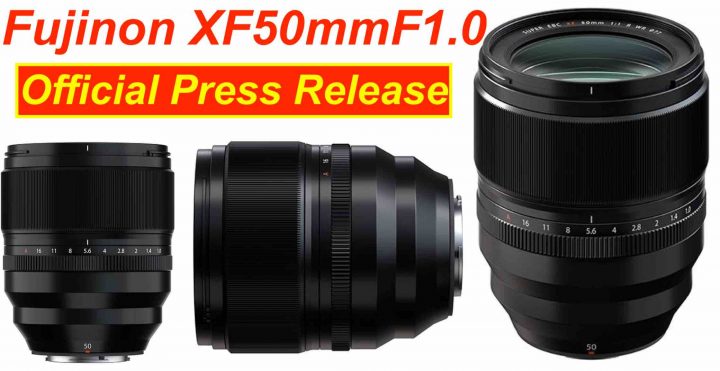
Is it MADNESS? Selling Fujinon XF56mmF1.2 for XF50mmF1.0 – POLL
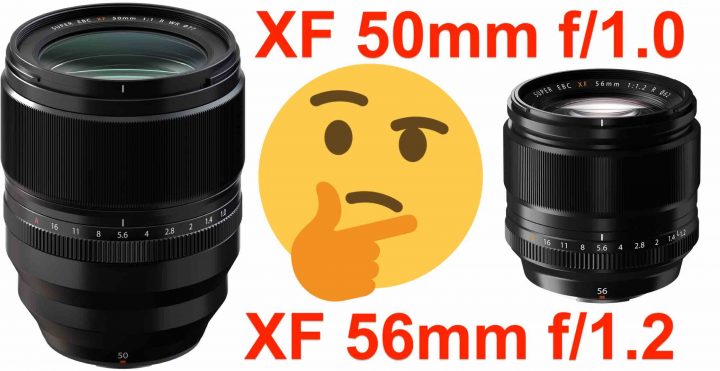
In these days I get several emails from FR-readers, asking me if it’s worth to sell their (currently discounted) XF56mmF1.2 to get the brand new XF50mmF1.0.
As usual such a question is not easy to answer.
The best I can do, is to share you my own struggles and thoughts, and hope that there is something among it, that you might find useful for your own decision.
So, here is the thing.
Sony A7c Full Frame vs Fujifilm X-E3 APS-C, or 7 Reasons why the New Sony A7c is Not an APS-C Killer
I blog on FujiRumors since almost a decade now, and over all these years, I have heard many times announcements of the death of the Fujifilm X series since the launch of the original Sony A7. And the same “Fujifilm APS-C is dead” voices continue to come back, may it be the announcement fo the Nikon Z5 or the imminent announcement of the Sony A7c.
Now, I already showed which compromises “cheap” full frame cameras have to do, in order to compete with high end APS-C cameras. You can check it out in this article.
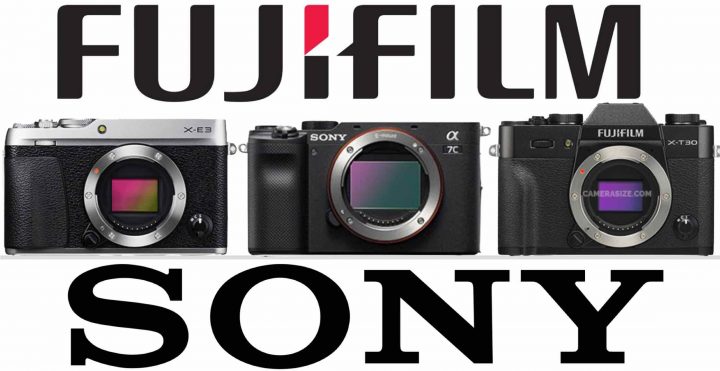
But today we talk about the Sony A7c, a camera that will be priced above $2k according to SonyAlphaRumors (hence more than twice the price of the Fujifilm X-E3).
Above you can see a size comparison between Sony A7c and Fujifilm X-E3 and X-T30.
And yet, it’s not only about price. Let’s check out 7 key differences between APS-C and Full Frame.
Disclaimer (read to avoid anger :) )
No matter if full frame, APS-C or medium format. There is not the perfect sensor size, and each system has its Pros and Cons.
However, this article is just an attempt to try to understand, why DPReview and Petapixel think that APS-C is the sweet spot. So I listed a few reasons, where APS-C could be considered better than full frame.
By no means I want to say that full frame or medium format is worse. All I want to say is that also APS-C has it’s strong cards to play in the current mirrorless war.
APS-C vs FF
Fujifilm Patent Shows New Camera Interface (Dual LCD Screen) but it’s the One of the Fujifilm X-T200
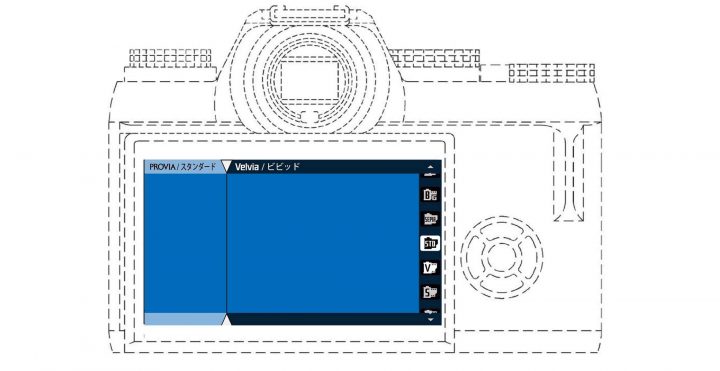
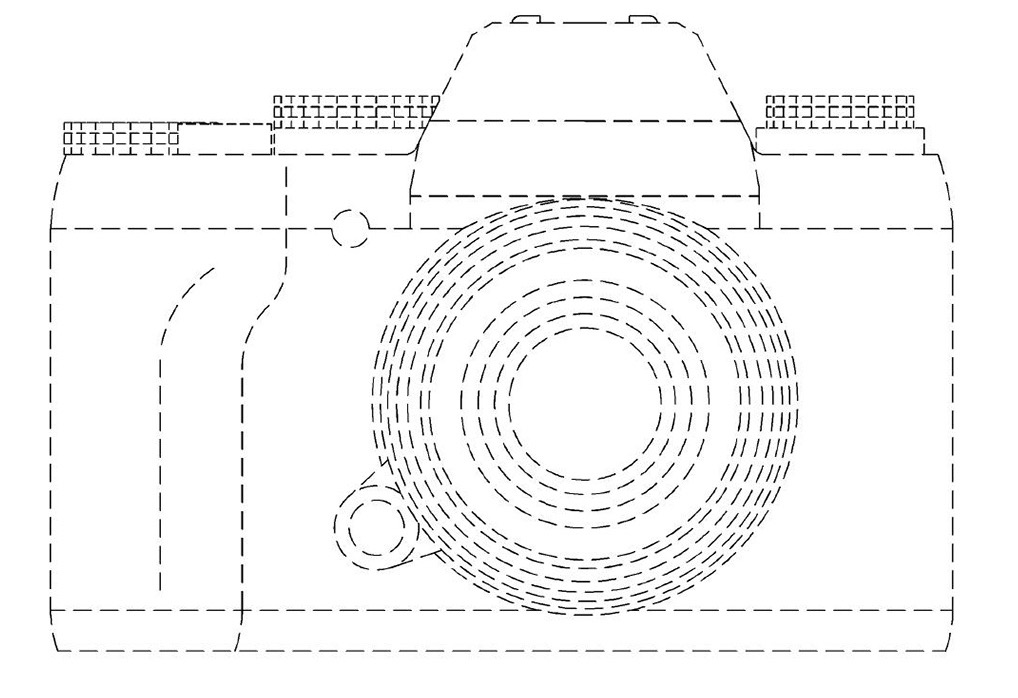
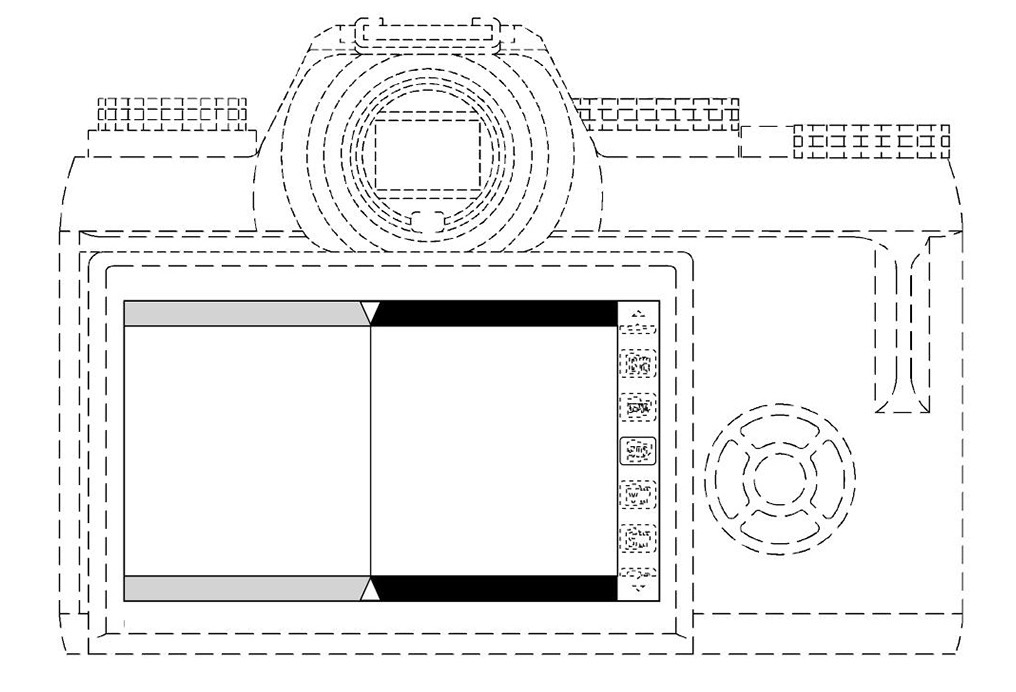
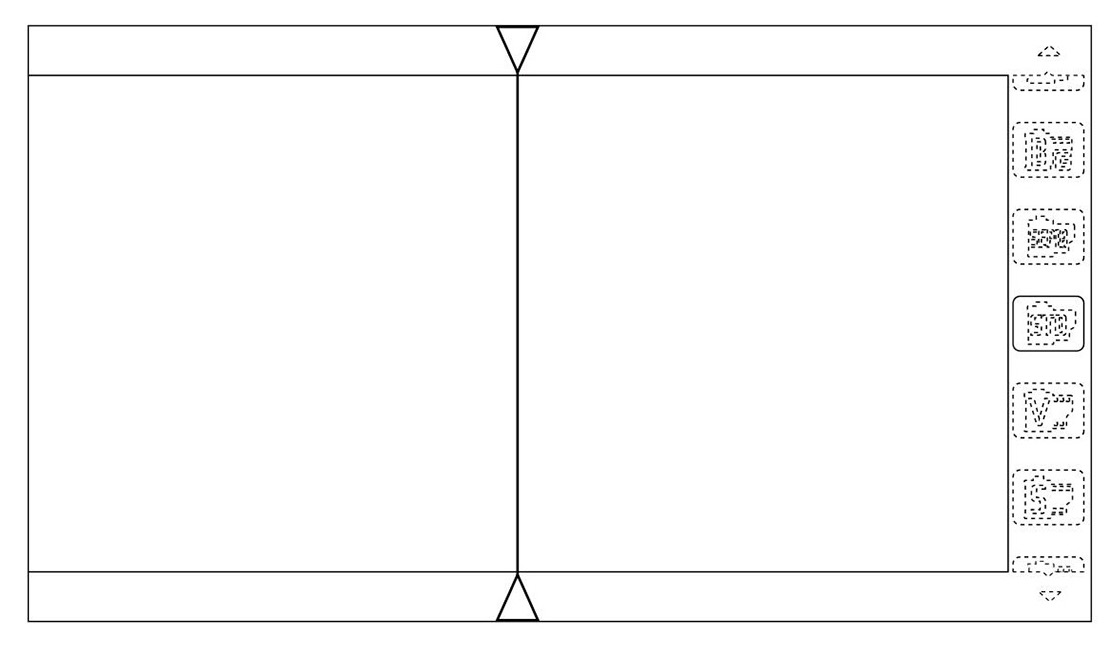
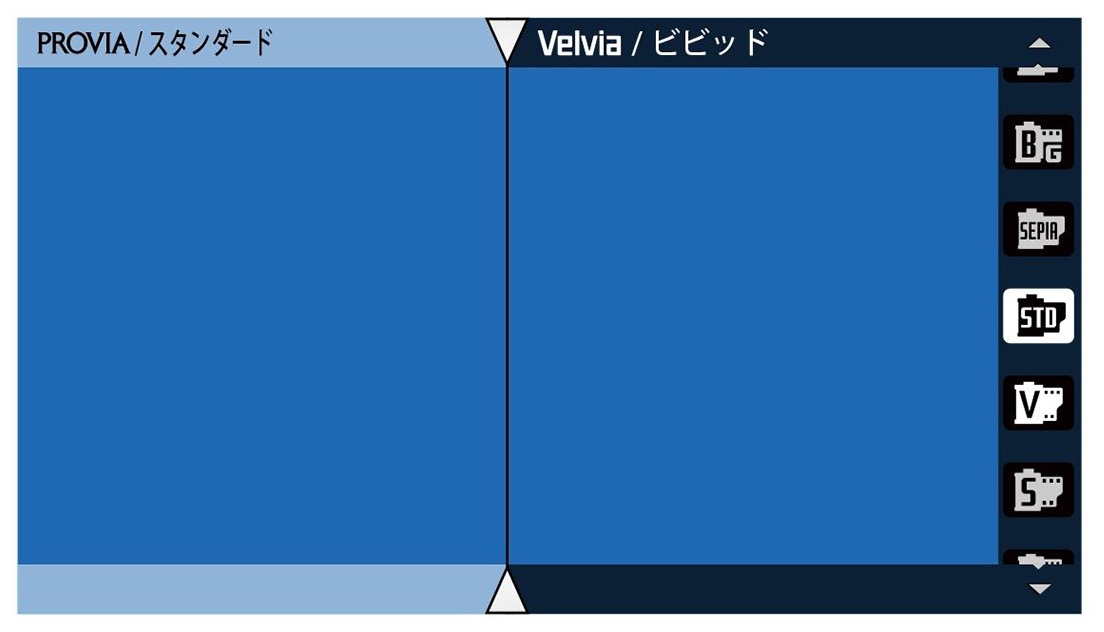
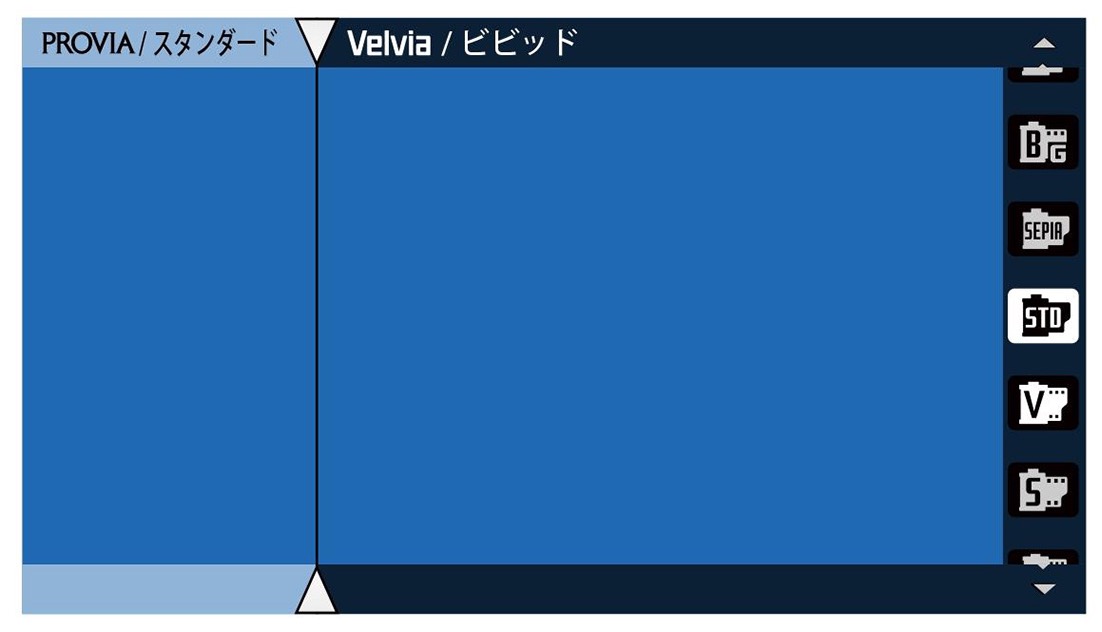
A Fujifilm patent now surfaced on the web, showing an LCD screen that has a split view for film simulations.
As dclife writes (google translated):
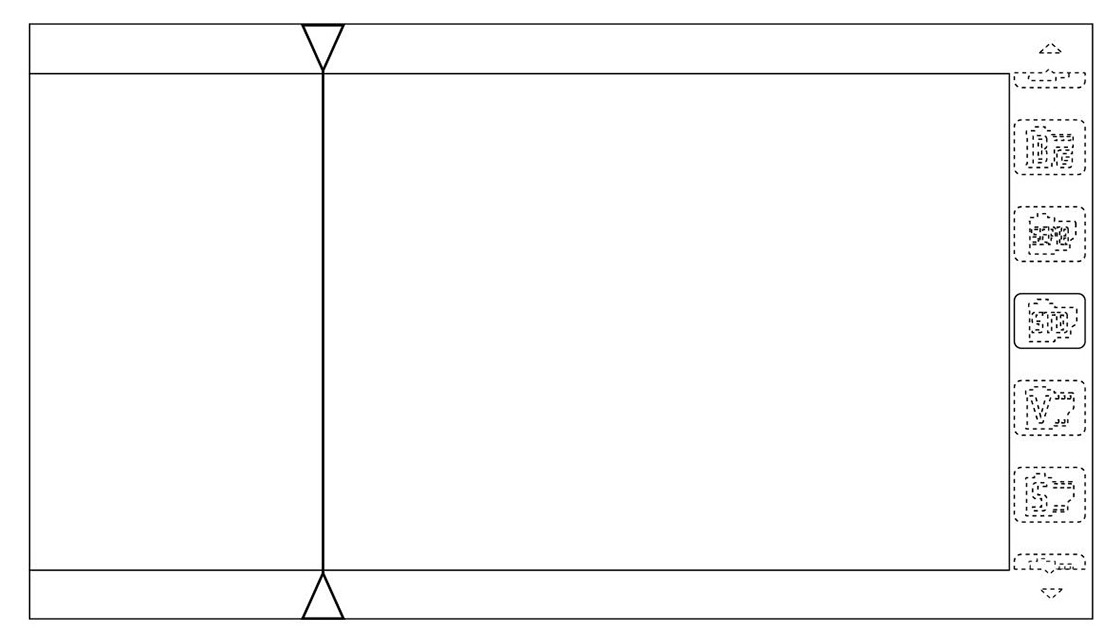
FUJIFILM has registered a design that enables image division on the rear monitor screen of the camera. The border of the divided screen can be changed by swiping. Basically, it seems that the colors of the film simulation can be compared.
[…] I think that you can use it in various ways, but there is a figure in which the film simulation PROVIA and Velvia are split and displayed, and the area is changed by swiping. […] I don’t know if this design will be put to practical use in the future, but the size of the rear monitor of the current “X-T4” is 3.0 type, and I am wondering how easy it is to use with this monitor size.
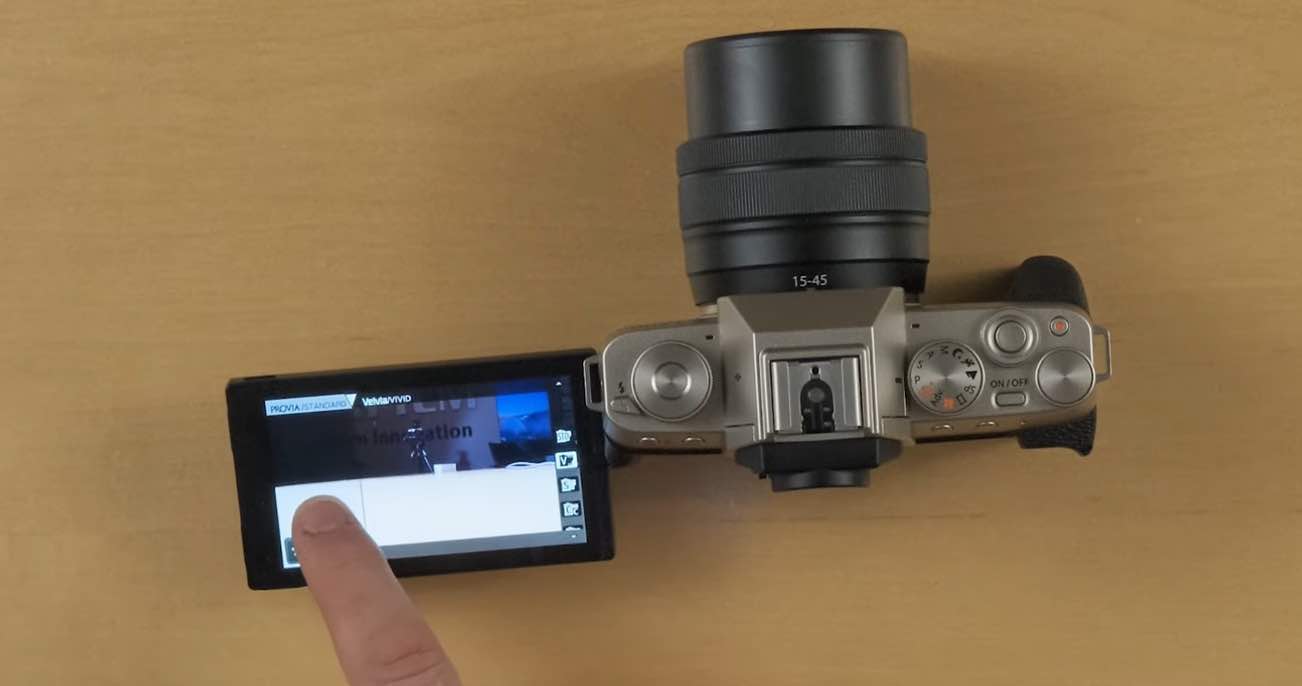
Well, looks like the future already happened, as this is the LCD screen of the Fujifilm X-T200 (see Fuji Guys video below starting from 2:41).
I wonder how this could even become news, but hey, FujiRumors is here to give you guys clarity ;).
- Fujifilm X-T200: BHphoto / AmazonUS / Adorama / Focuscamera
Follow FujiRumors on Patreon, Facebook, Instagram, RSS-feed, Youtube, Flipboard and Twitter
via J-PlatPat 1 / J-PlatPat 2 via dclife
Fujifilm XF50mmF1.0 vs XF56mmF1.2 Face/Eye Autofocus Comparison
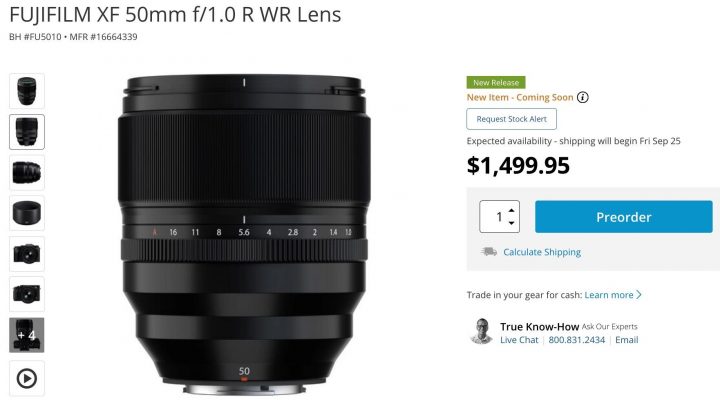
In the youtube videos below, Reggie and Ken quickly compare the autofocus performance of the Fujinon XF50mmF1.0 vs. Fujinon XF56mmF1.2.
Reggie says:
The 50mm f1.0 seems to have less autofocus pulsing when continuously tracking a subject.
Keep in mind that this is still pre-production firmware.
- XF 50mm f/1.0: BHphoto, AmazonUS, Adorama, Focuscamera
- XF 56mm f/1.2: BHphoto, AmazonUS, Adorama, Focuscamera
- Fujifilm X-T4: BHphoto, AmazonUS, Adorama, FocusCamera
Fujifilm Manager: GFX Triumph and Full Frame Attack Strategy, Shrinking IBIS, AI Future, Fuji X-H2 Needs Breakthrough, COVID and More

Imaging-resource published a long and very interesting interview with various Fujifilm managers, including Toshihisa Iida).
Here is a summary:
COVID-19:
New Fujifilm Camera Registered and Coming October 16
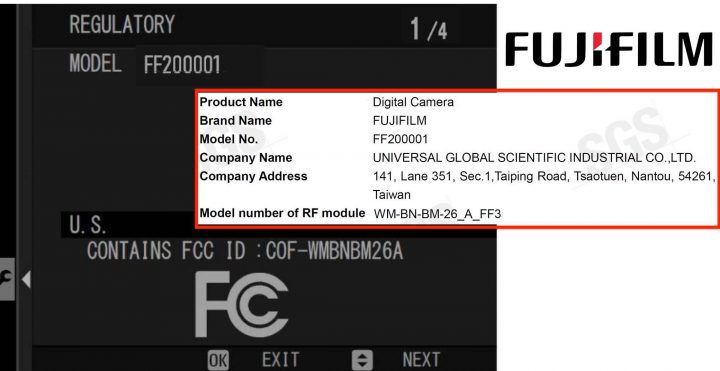
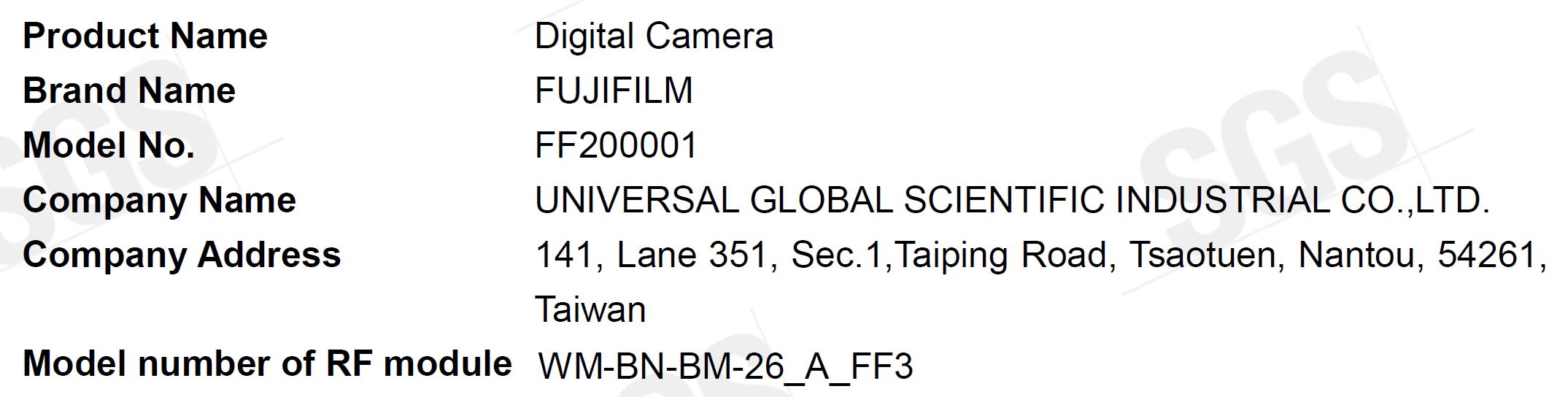
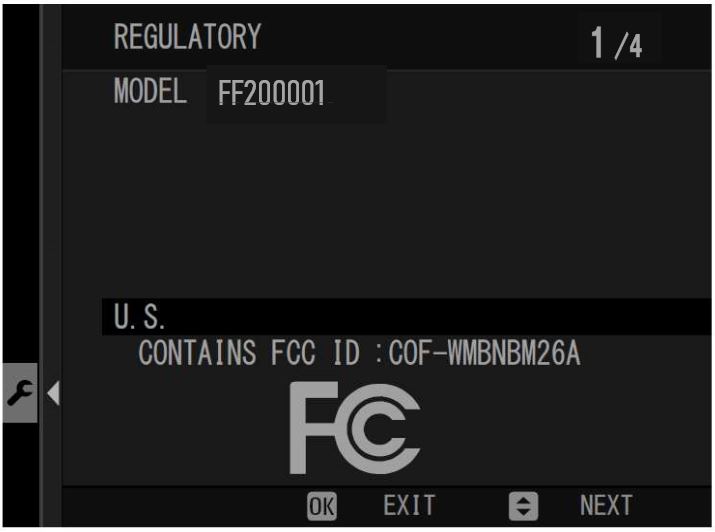
Nokishita spotted the registration of a new Fujifilm camera, the FF200001.
Fujifilm’s digital camera “FF200001” has passed FCC certification. Equipped with Wi-Fi (802.11b/g/n) and Bluetooth (same RF module as X-Pro3 model number [WM-BN-BM-26 _A_ FF3 ]) .
he designated date for public disclosure of the certified material is October 16, 2020.
This is a list of model numbers of Fujifilm wireless parts, which is not very helpful
WM-BN-BM-26_A: X-E3
WM-BN-BM-26 _A_ FF2: X-H1/GFX50R
WM-BN-BM-26 _A_ FF3: X-Pro3/X-T3/X-T30
WM-BN-BM-26 _A_ FF4: X100V
WM-BN-BM-26 _A_ FF5: X-T4
WM-BAC-BM-25: GFX100
TYPE1FJ: X-A7/X-T200
It’s obviously not the Fujifilm X-Pro4, that I can say for sure! :)
If you want to know what it is, we invite you to stay tuned on FujiRumors.
Follow FujiRumors: Patreon, Facebook, Instagram, RSS-feed, Youtube, Flipboard and Twitter
via nokishita
Join Our Owners Groups
- Fujifilm GFX User Group
- Fujifilm X-T User Group
- Fujifilm X-H User Group
- Fujifilm X-E User Group
- Fujifilm X-Pro User Group
- Fujifilm X100 line Group
Join Our Facebook Pages
Top 10 August Posts: Leaving Sony FF for Fuji X, Mysterious New Fuji X Camera, The Power of Fuji Colors, Why No Full Frame and More
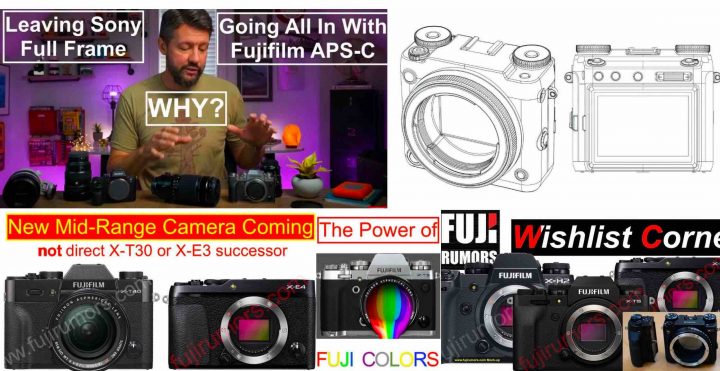
Here are the top 10 posts for August:
- Global Shutter: 120+ MP for Fujifilm GFX120 and 31 MP for Fujifilm X-H2?
- This Professional Landscape Photographer Explains Why he is Leaving SONY Full Frame for FUJIFILM APS-C
- Fujifilm Manager Explains Why Medium Format and Not Full Frame, Talks About Fixed Lens GFX, X-Trans MF Camera and More
- RUMOR: Fujifilm to Release a New Mid-Range Camera that is NOT an X-T30 or X-E3 Successor (Mysterious new Fuji)
- Hungry for Fujifilm X-H2, Visions for X-T5, Hopes for X80, Modular Fujifilm GFX, Monochrome and More – FR Readers Wishlist Corner
- LIVE NOW: Fujinon XF50mmF1.0 Beta Tester Shows First Sample Images
- A Midsummer Night’s Dream: Should Fujifilm put a Full Frame Sensor in the GFX G-Mount?
- BREAKING: Fujinon XF 50mm f/1.0 Announcement on September 3 and cost $1,500
- The Power of Fujifilm Colors: See Pure Fuji Colors in Action at our New Fujifilm Film Simulations Group
- LEAKED: Fujinon XF 50mm f/1.0 Press Text – World’s First F1.0 Autofocus Mirrorless Lens!
Bonus Posts:
- Fujinon XF30mmF1.0, XF35mmF1.0 and XF33mmF1.0 Patents Spotted and Fujinon XF 50mmF1.0 Coming Soon
- Curiosity: Fujifilm X-T4 has Better Video Dynamic Range than Canon EOS R5 and Canon EOS R6
- Fringer Nikon F to Fujifilm X Smart Autofocus Adapter Prototype – Video Sample
Follow FujiRumors: Patreon, Facebook, Instagram, RSS-feed, Youtube, Flipboard and Twitter
Join Our Owners Groups
- Fujifilm GFX User Group
- Fujifilm X-T User Group
- Fujifilm X-H User Group
- Fujifilm X-E User Group
- Fujifilm X-Pro User Group
- Fujifilm X100 line Group
Join Our Facebook Pages