Fujifilm Managers Committed to X-Pro and X-E Line, Encouraging Words on Autofocus and the INSANE Scale of X100VI Sales!

Guest Post by FR-reader Igor
(original text in Slovak and translated using AI for better grammar)
A High-End Smartphone or a Better Compact Camera?
Photography today stands at a crossroads. When it comes to capturing moments, many of us face a tough decision: should we invest in the latest flagship smartphone, like the iPhone 16 Pro, or buy a premium compact camera, such as the new Fujifilm X100VI? This dilemma isn’t just about image quality—it’s also about convenience, affordability, and the overall user experience.
Convenience vs. Quality
For everyday photographers capturing family moments, nature trips, or city life, a smartphone seems like the obvious choice. It’s always in our pocket, offers excellent image processing, and allows instant sharing on social media. The iPhone 16 Pro features advanced computational photography, yet it’s still limited by its small sensor and optical constraints.
On the other hand, the Fujifilm X100VI provides a true APS-C sensor that significantly outperforms any smartphone camera. It boasts great low-light performance, stunning color reproduction, and optical capabilities that smartphones simply can’t match. However, it lacks instant connectivity, is bulkier, and requires extra investment in accessories.
Price: Where Is the Limit?
Price plays a major role. The iPhone 16 Pro costs between €1,000 and €1,500, while the Fujifilm X100VI with essential accessories (memory card, bag, extra battery) reaches around €2,000–2,200. For an average user with family expenses, a mortgage, and other financial priorities, spending such an amount on a standalone camera is a significant decision. Moreover, many people might not see enough of a quality difference to justify the higher cost.
What Should an “Ideal” Compact Camera Offer?
Fujifilm has an opportunity to fill a gap in the market with a more affordable, compact alternative to the X100VI. A successor to the Fujifilm X70 or Fujifilm XF10 could be the perfect solution, featuring:
Such a camera could be a strong competitor to smartphones while offering noticeably better image quality. It would attract a broad audience, from families to street photographers, who want something superior without the bulk of a larger camera.
Will Fujifilm Release a Smaller X100VI?
Fujifilm has a strong track record of producing iconic compact cameras. If they were to release a more budget-friendly, compact version of the X100VI with simple controls and outstanding image quality, it could be a game-changer. But the big question remains: does Fujifilm have such a camera in the pipeline?
For now, the dilemma continues. Investing in a high-end compact camera is a major decision, especially when smartphones are so convenient. But if Fujifilm were to introduce a well-priced, compact camera with the right balance of features, it could shake up the market.
What do you think? Is it worth investing in a dedicated compact camera, or is upgrading to a flagship smartphone the smarter choice? Let’s discuss!
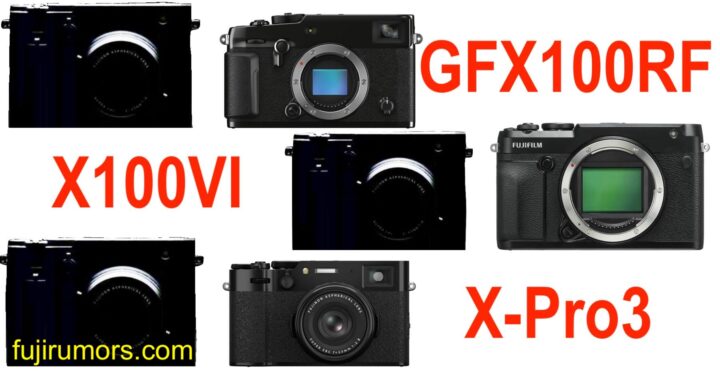
Fujifilm has just released yet another teaser showing a heavily underexposed camera.
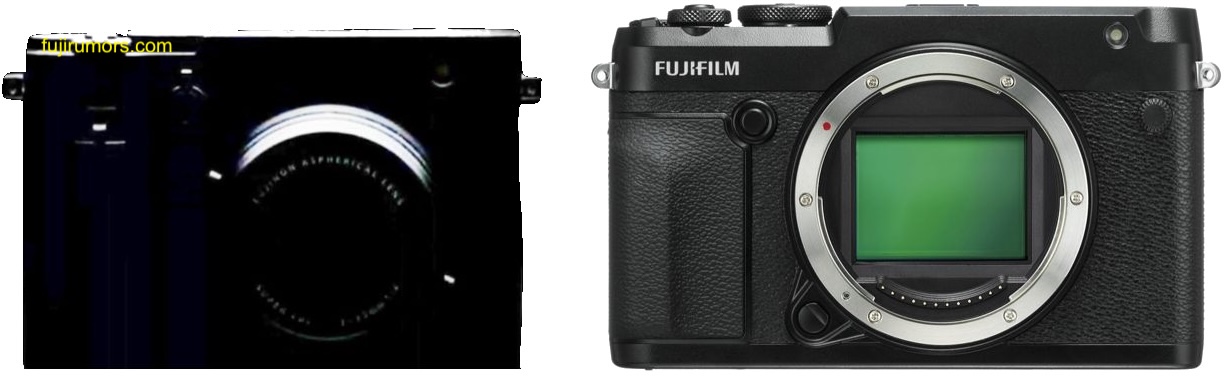
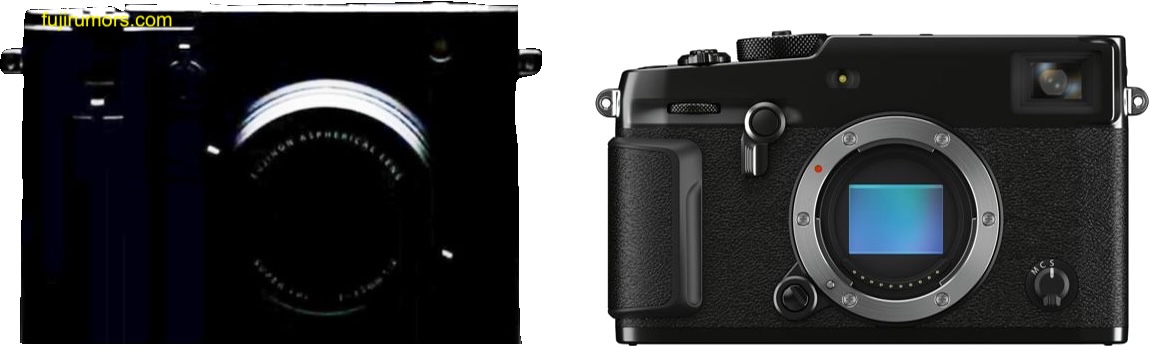
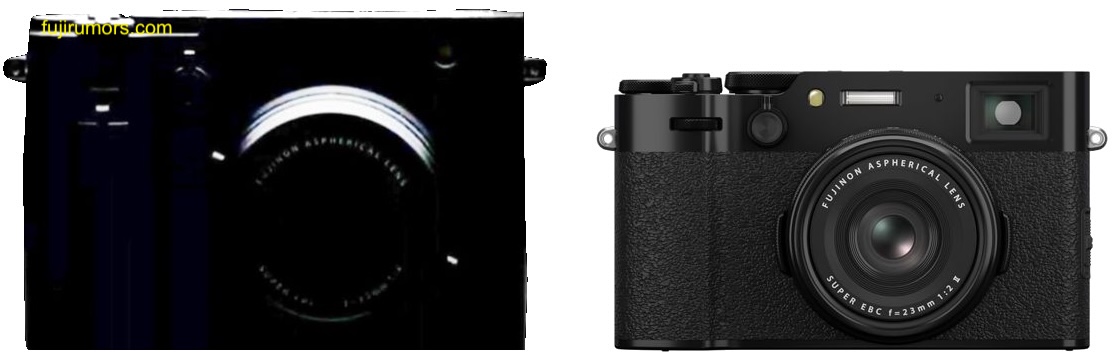
But this time it comes with a hint: they show an Fujifilm X100VI first, then a Fujifilm GFX100SII, and ultimately the silhouette of e new camera.
That’s so far the best hint we got that our rumors were right: a medium format X100 is on the way, and it will be called Fujifilm GFX100RF.
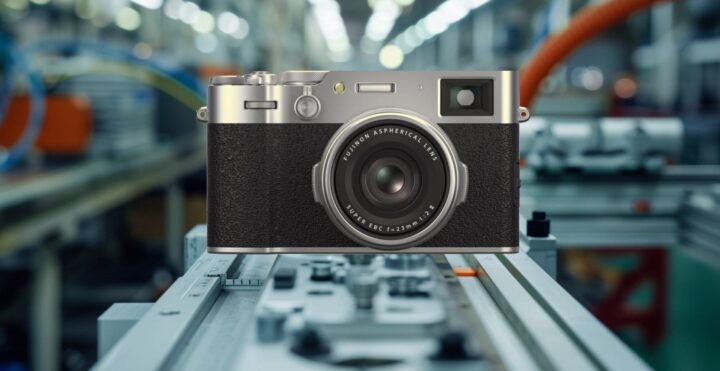
The Fujifilm X100VI enjoyed an extraordinary success, with pre-orders reaching levels that even Sony, Canon or Nikon could never dream of getting with any of their cameras.
Of course, this lead to a massive backorder and consequently, for many the only option so far was to purchase the Fujifilm X100VI highly overpriced via third parties or to wait many months to get it shipped after pre-order.
Fujifilm has consistently increased production, but it was not so easy, especially due to a curious fact that Fujifilm disclosed in an interview to Petapixel.
So, there is a light at the end of the tunnel.
FR-reader Matt estimated the size of the Fujifilm GFX100RF by aligning the width of the hotshot as seen in this image.
In our previous coverage of his comparison he “only” compared the size on paper.
Now he made also a visual comparison and he recalculated the size of the Fujifilm GFX100RF. So here is an update:
Below you can see the comparisons based on this data.
If you want to see the leaked images, check out this article here.
Join Now
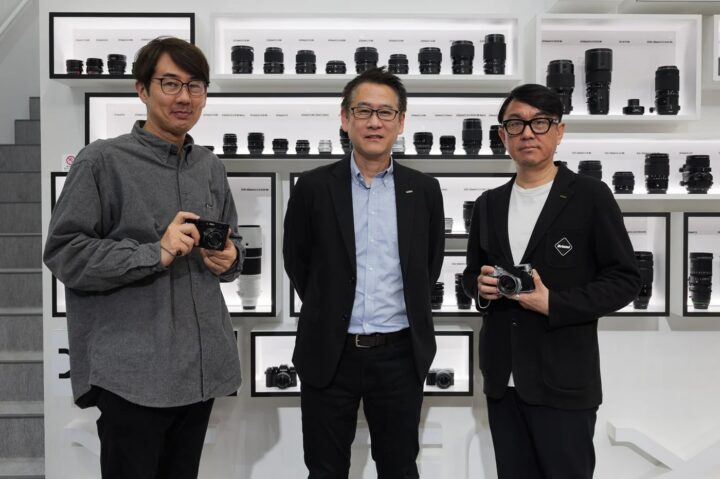
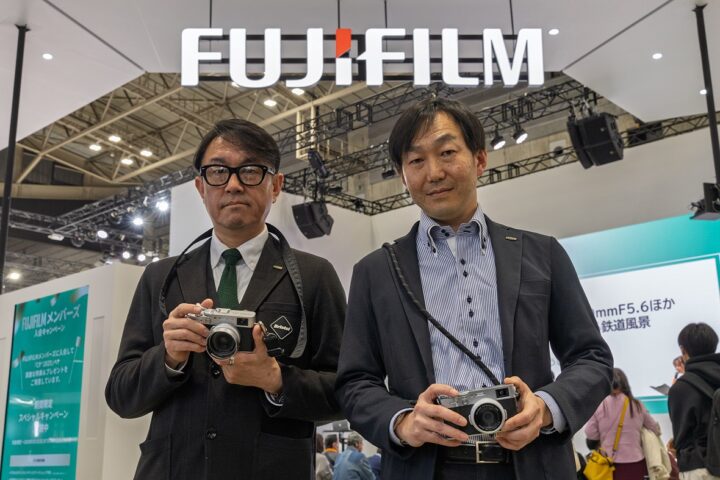
The French website photorend interviewed several Fujifilm managers at CP+:
In short:
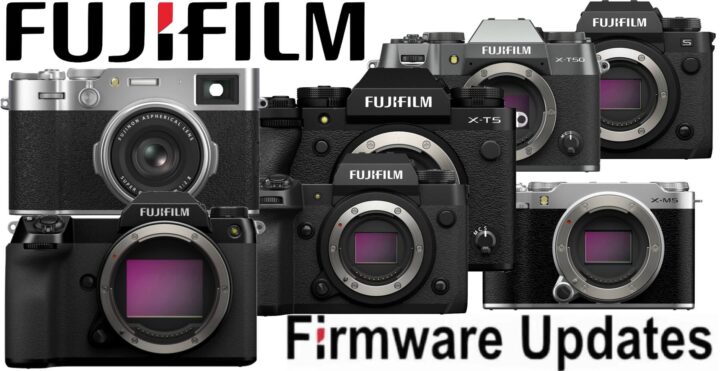
Fujifilm has released firmware updates for several X and GFX series cameras.
You can find all details and download links below.
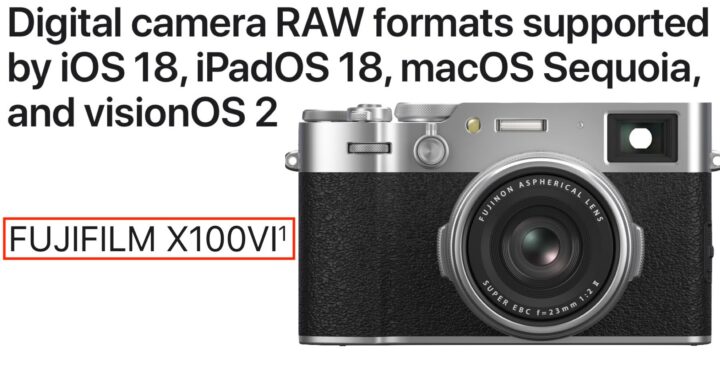
Apple has updated the list of system-level support for RAW images.
Now it includes also the Fujifilm X100VI.
But notice that support is for uncompressed RAW files only.
You can check out the full list of supported cameras in MacOS here.
The Community
Flash / Accessories / eBooks
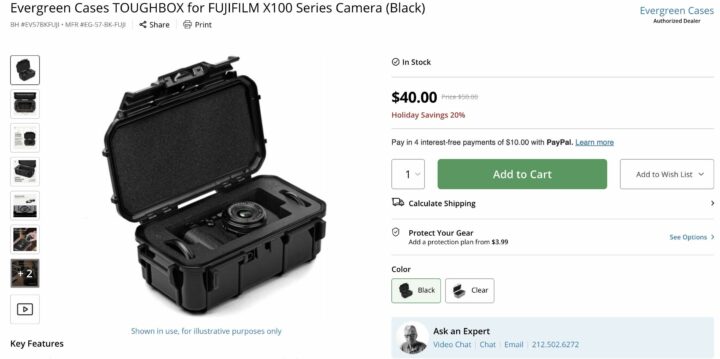
Today we have a major accessories roundup. It goes from batteries, the Fuji X Weekly Protective Case for Fujifilm X100VI / X100V / X100F, tripods and much more.
Also a very interesting Tilta Factory tour by CineD is linked below.
At the very bottom you can find the press release for the Kipon 0.62x focal reducers for GFX.
And since we also talk about batteries, we will refer also to a series of articles on FujiRumors, in which we talked about batteries:
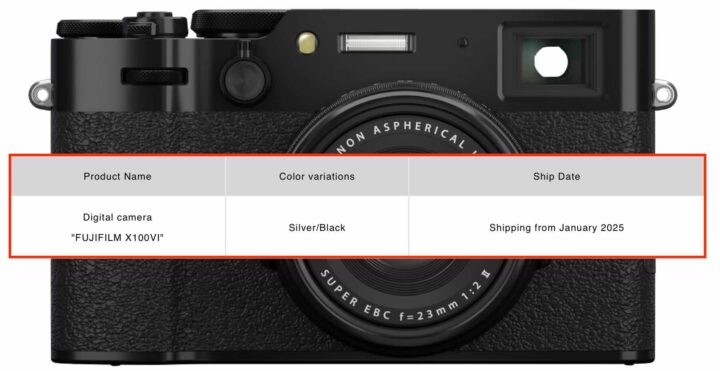
Starting from 2025, the Fujifilm X100VI cameras sold in Japan will come in only two languages: Japanese and English.
That’s something we have already seen with the Fujifilm X-M5, which also comes in Japanese and English in Japan as we reported here.
So keep that in mind if you plan on buying the X100VI in Japan and your native language is not English or Japanese.
Fujifilm offers a paid language addition service, in case you need it.
As FR-reader Speed pointed out in our X-M5 article here:
these are countermeasure to prevent malicious scalpers taking advantage of the weak yen ( and tax free ). I think this is just a measure to prevent malicious scalpers from reselling. This is not surprising. There are too many malicious scalpers who buy cameras in Japan and then resell them to China.
As annoying as this might sound, ultimately this is an attempt to protect genuine customers. And with “genuine” I mean customers who buy gear to use it, and not those who buy multiple cameras with the sole purpose to resell it at a higher price.
In theory, Fujifilm could not care less: a camera sold to a scalper brings them just as much money as a camera sold to a genuine photography lover. But it is nice to see they do try to find ways to make life a bit more difficult to scalpers.