We just shared an article about the officially top recommeded CFexpress TypeB cards by Fujifilm and we saw that while many cards will work fine, not all of them will unlock the full potential of your Fujifilm X-H2S.
In fact, there are some that can’t record 6K/4K, other can, but not in ProRes, other have limited burst duration.
With the release of the Fujifilm X-H2S and hence Fujifilm’s first digital camera to take CFexpress cards, Fujifilm has updated its list of officially recommended cards to store your files.
Now, all the cards listed below are recommended.
But attention, not all CFexpress Cards are made equal.
Some CFexpress Type B Cards can’t record 6K/4K
Some can record 6K/4K but not in ProRes
Some can record all video formats, but when used for bursts don’t last as long as others
Also, CFexpress Cards not listed here are not properly tested by Fujifilm. This means they could perform very well, too. But they could also have a negative impact on the performance of the camera (or even don’t work with certain features).
This is important to know, as I have already seen reviewers using the Pergear CFExpress Type B card in their X-H2S first looks. Whatever those reviewers say in terms of performance, please take it with a grain of salt, as they use cards that are not on Fuji’s list.
If you treat yourself with a Fujifilm X-H2s, please stick to the recommended CFexpress Type B cards (and also UHS-II cards) listed below.
I’ve re-watched the Fujifilm X Summit, and right at the end I noticed a sentence that I think we have to investigate further what it could mean.
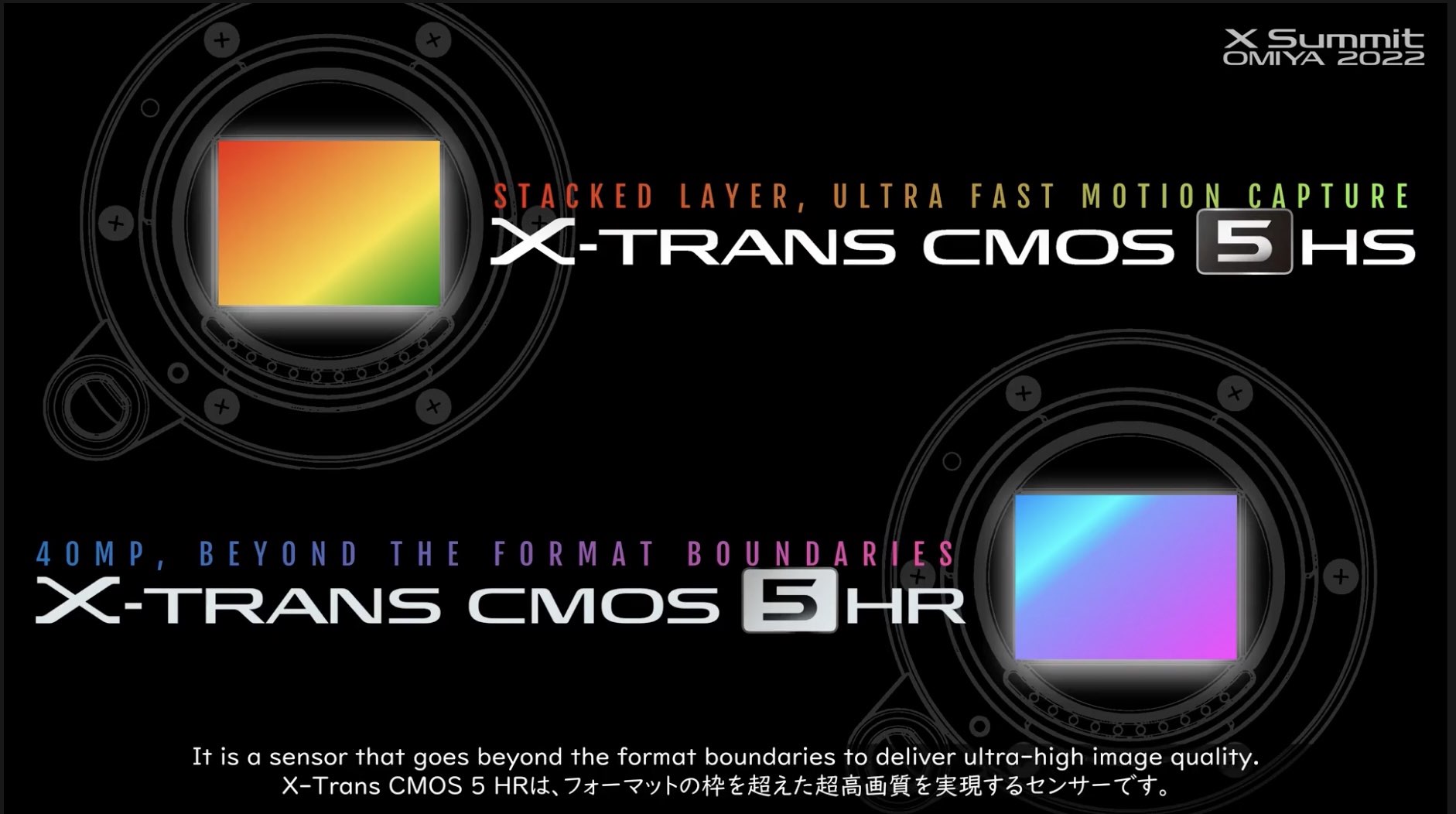
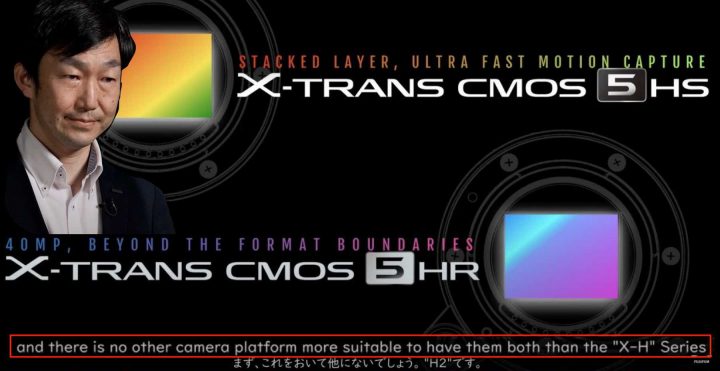
When talking about the two new 5th generation X-Trans sensors, the 26MP stacked sensor and the 40MP non-stacked sensor, that will both be featured into the X-H line, the manager says:
and there is no other camera platform more suitable to have them both than the ‘X-H” Series
I did try to wrap my head around this sentence to try to get what he really meant. I see the following options:
It means that only the X-H line will offer both 5th generation sensor options as other platforms are not so suitable “to have them both“. As a consequence to this, all other camera lines will get either one or the other sensor (but not both)
It means that since the X-H line is the most suitable of all, it will be the first line to get both 5th generation sensors, and other camera lines that might eventually also feature both options will come only after the Fujifilm X-H2S and Fujifilm X-H2
What do you think is the most appropriate interpretation of this sentence? Feel free to vote the survey down below.
The Fujifilm X-T line was never supposed to be a flagship camera.
Let me explain why.
When Fujifilm launched the Fujifilm X-H1, they called it their flagship camera, giving it top of the line features that no other camera had at that time (like IBIS) and in part still no other camera, except for X-Pro3, has (like the ultra-tough body). The Fujifilm X-T2 was positioned under the X-H1.
However, since it took Fujifilm so long to release the Fujifilm X-H1 successor, the Fujifilm X-T line had to take over the “flagship-role” for a couple of years.
But now, with the the release of the Fujifilm X-H2S and the pre-announced Fujifilm X-H2, everything is going back to normal so to say.
X-H is the flagship, and X-T is the mid-range.
And that’s not me saying it, but Fuji Guy Billy, who went through the “what is what” in the Fujifilm camera lineup with Bigheaedtaco, who then shared Billy’s list with us in the video below (starts 9:59).
X-S series:
Refinement: Base Level
Interface: DSLR design with PSAM interface
X-T** series:
Refinement: Base Level
Interface: classic SLR design with classic interface
X-E series
Refinement: Base Level
Interface: Rangefinder design with classic interface
Who REMAINS and who is OUT
I agree with Bigheadtaco when he speculates that all those camera lines mentioned in the list will see a successor at some point. Otherwise I believe Fuji Guy Billy would not have mentioned them
if correct, this means that also the X-E line will continue, hence there is hope for a Fujifilm X-E5
this means little hope for Fujifilm X-A8, Fujifilm X-T300, X-A30
the “new” entry level (or base line) is considered the X-T** and X-S line
PSAM PANIC
there will be 3 lines with a more classic interface, and 2 lines with PSAM dials
Non-PSAM dial camera lines will remain the majority in the Fuji lineup (4 non PSAM lines vs 2 PSAM lines)
Fujifilm has not lost its soul! Classic control lovers like me will have plenty of cameras to pick from also in the future
By getting rid of a few lines and separating more clearly the remaining ones, Fujifilm has addressed one of the major concerns that was confusing Fujifilm X shooters: too many camera lines positioned too close to each other without sufficient differentiation.
In short we could say that every line will have a higher end and a lower end version
HIGH: X-H line – LOW: X-S line
HIGH: X-T* line – LOW: X-T** line
HIGH: X-Pro line – LOW: X-E* line
P.S.: It was just so much more fun when Fujifilm used other terms to identify their camera lines, like when they said the X-T** line for hipsters :).
Ahead of the 5DayDeal Video Creators Bundle sale, 5DayDeal has launched their traditional Giveaway. From Macbooks to Microphones to Filmpacks and more. Check out all the details and enter your chance to win some stuff at this dedicated 5DayDeal page.
You can join your chance to win a Fujifilm X-H2S, a Tamron 18-300mm f/3.5-6.3 Di III-A VC VXD a Fujifilm GF45mm F2.8 WR Lens and much more simply by submitting your images on Instagram using dedicated hashtags:
X-Series : #4thFujifanboys_X
X100 Series : #4thFujifanboys_X100
GFX Series : #4thFujifanboys_GFX
Video : #4thFujifanboys_Video
You can read all the details here. Closing date 30th of June. The images of the winners will be displayed at various cities around the world in dedicated exhibitions.
In this case you have to tell CineD in a short 10 seconds video “why you deserve to get the new FUJIFILM X-H2S camera for FREE” and CineD will respond by choosing not one, but TEN lucky winners! While FUJIFILM is giving away 10 cameras for their exclusive contest, CineD will top it off by adding $1000 in cash for EACH of the TEN winners.
You can read all the details here. Contest ends June 14th.
the Fujifilm CEO talks and says he is proud of Fujifilm’s camera business
Fujifilm understood the potential of digital cameras very early
X-Pro1 in 2012 was the first X series MILC camera
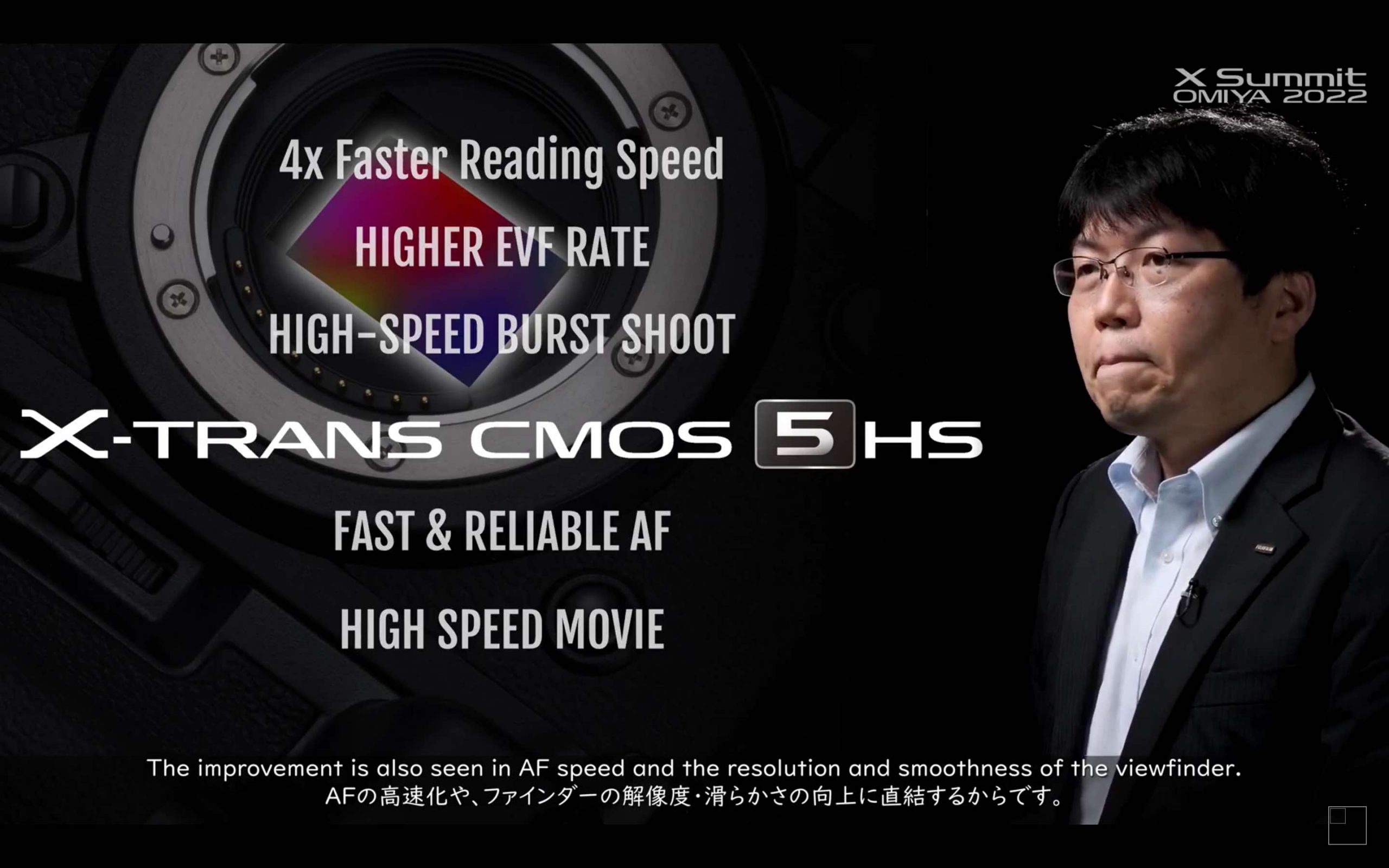
5th generation stacked sensor and X-Processor 5
stacked sensor 4x times than previous generation model
visible improvement in high speed bursts and hisgh speed movie
smoother viewfinder
faster AF
speed and mobility is most appropiate for APS-C format
APS-C is good balance between IQ and size
ultra fast processing processor
30x times faster processing than 1st generation processor
allows for great video codecs and also HEIF
X-Processor 5: speed, power and intelligence
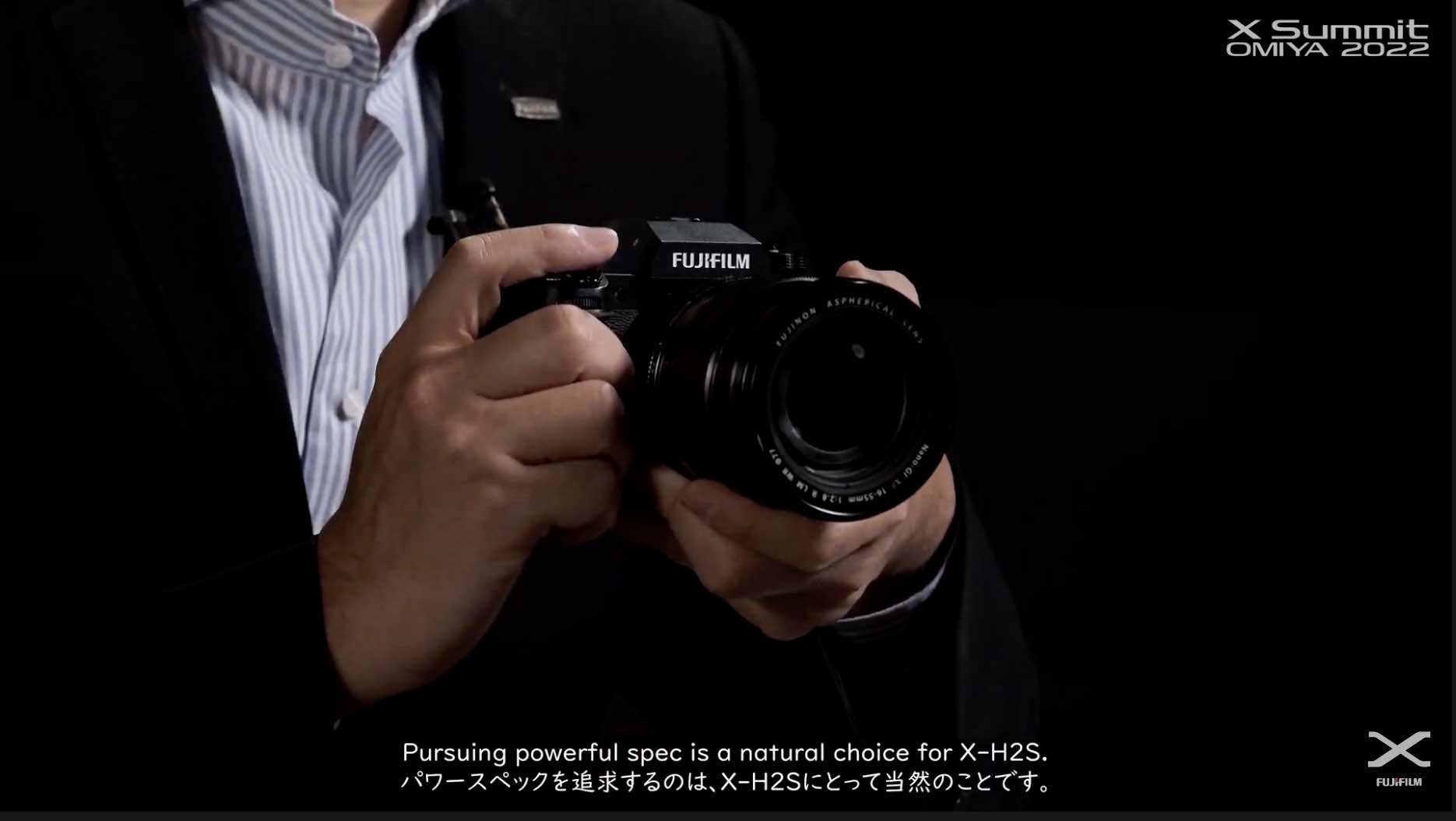
Fujifilm X-H2S
Fujifilm cooperated with many photographer to develop the Fujifilm X-H2S
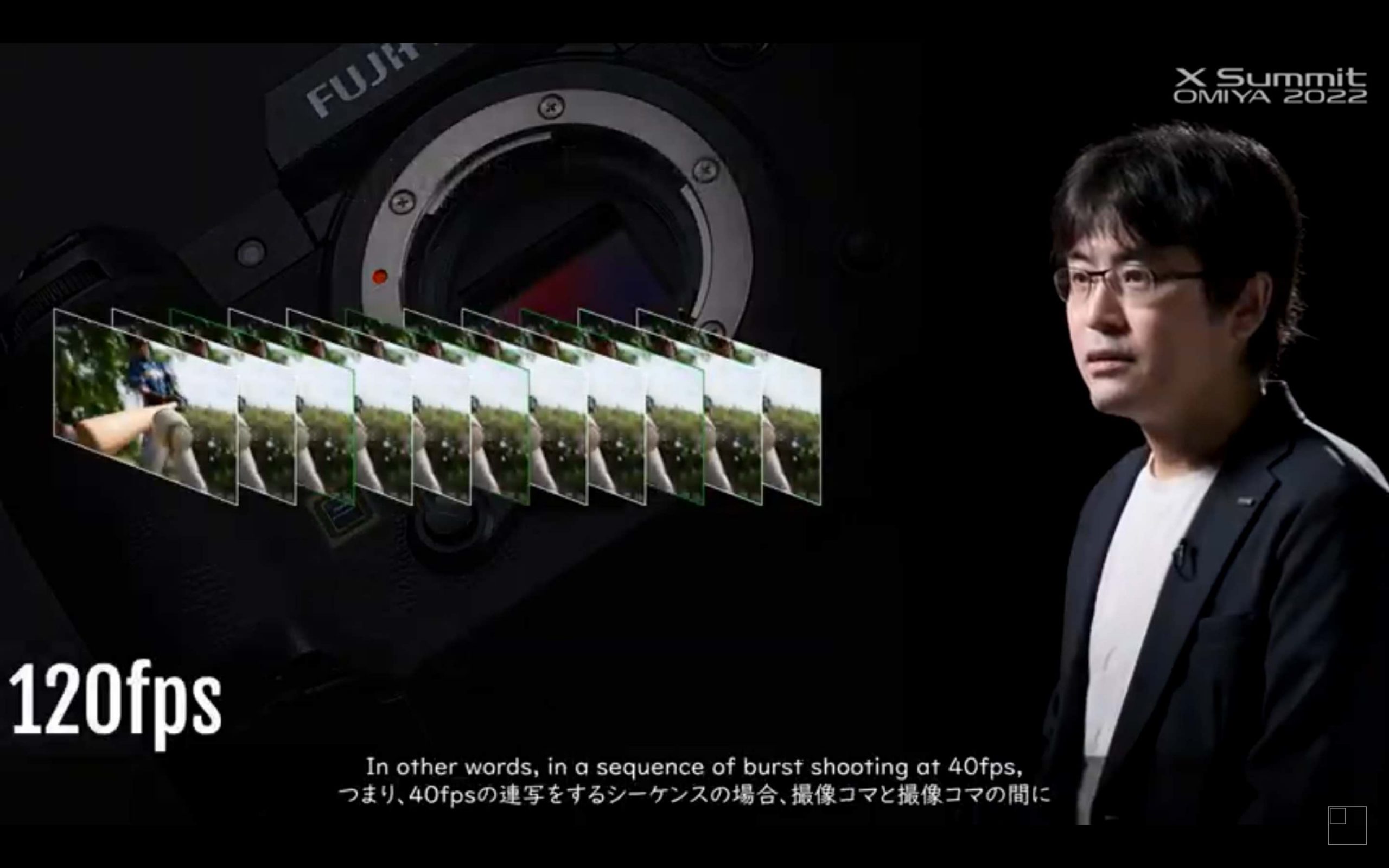
40fps with AF and AE
X-Trans Vreads out 120fps, allowing for constant AF and AE adjustments in burst shooting
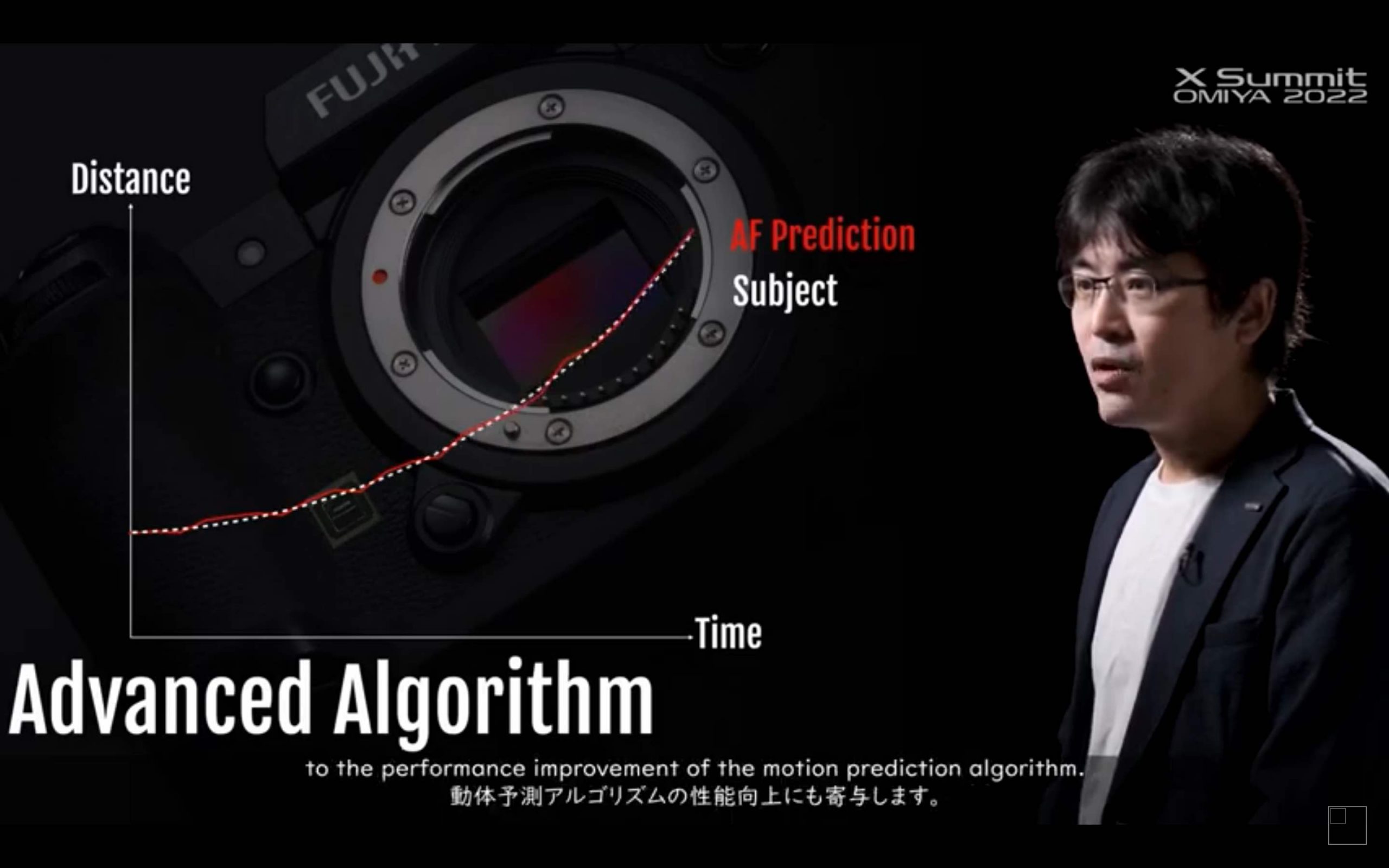
new AF algorithm
AI Processing deep AI technology with subject detection (object and animal tracking)
outstanding AF performance
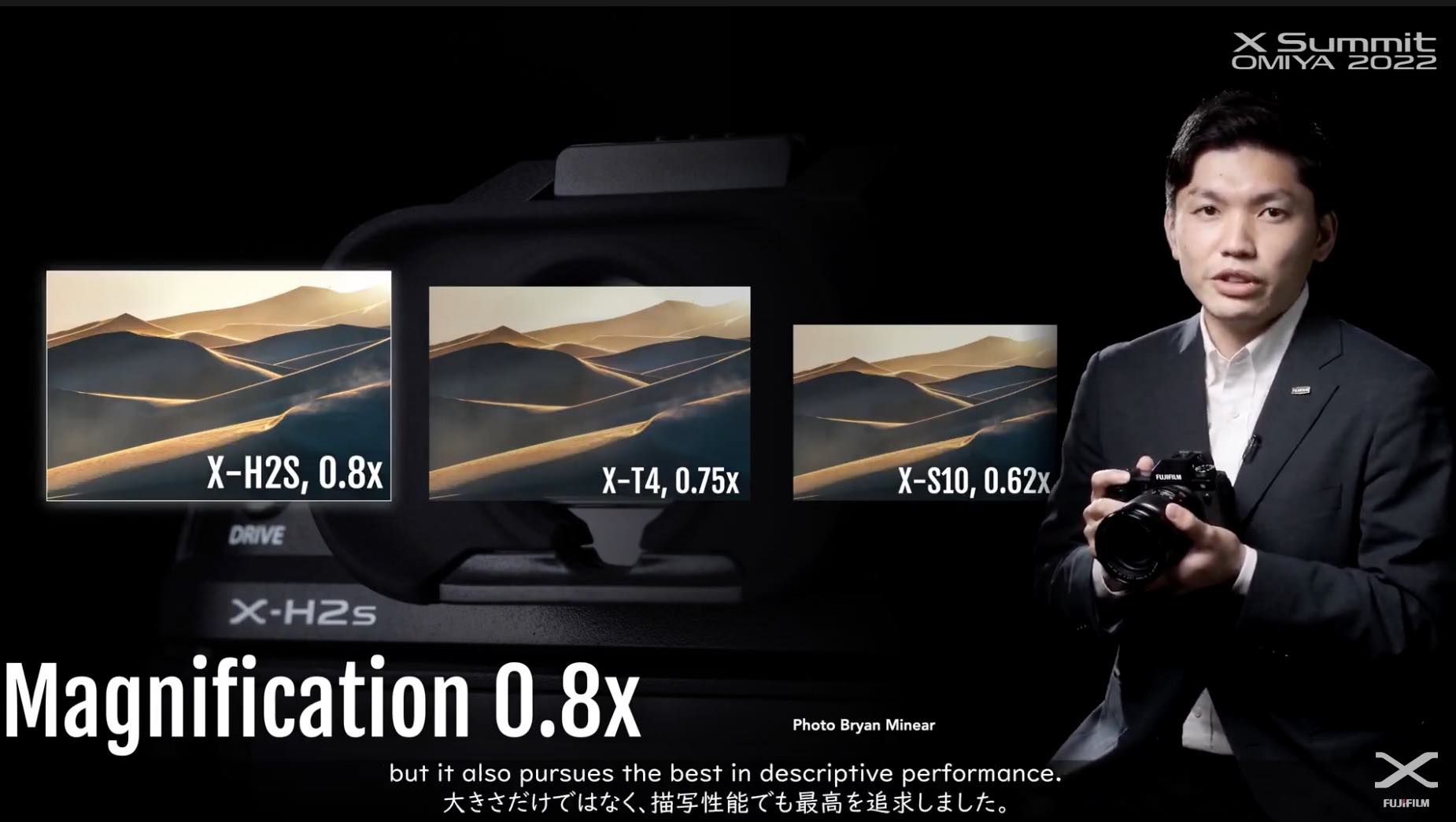
viewfinder provides ideal field of view
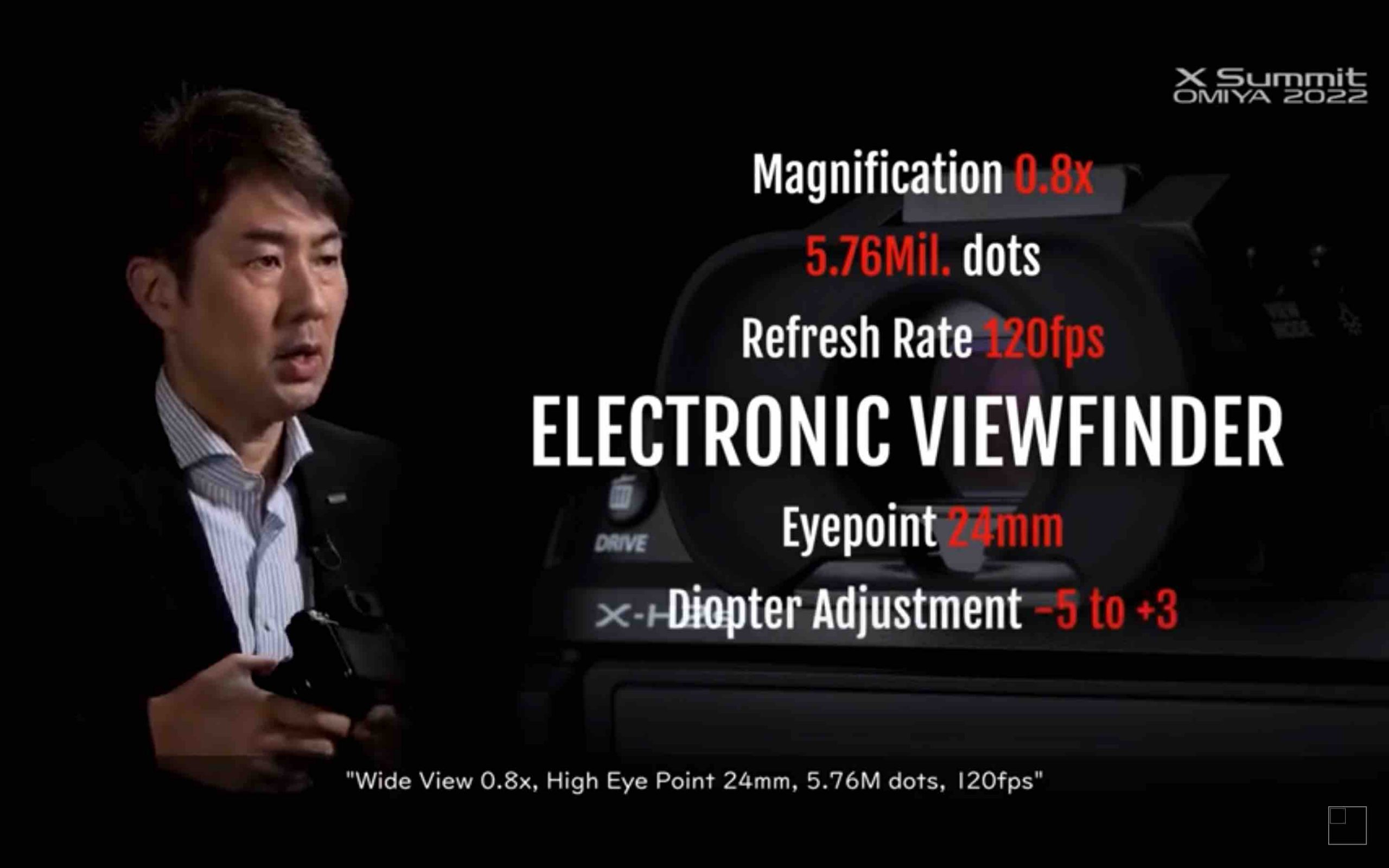
best EVF in history of X series: 0.8x magnification, 120fps refresh rate, 5,76 dots, all optical elements with aspherical lenses. Clear images even if pupil position is not in the center (not in the specs sheet, but visible in real life use)
7 stops IBIS: minute noise has been carefully eliminated
no need of gimbal
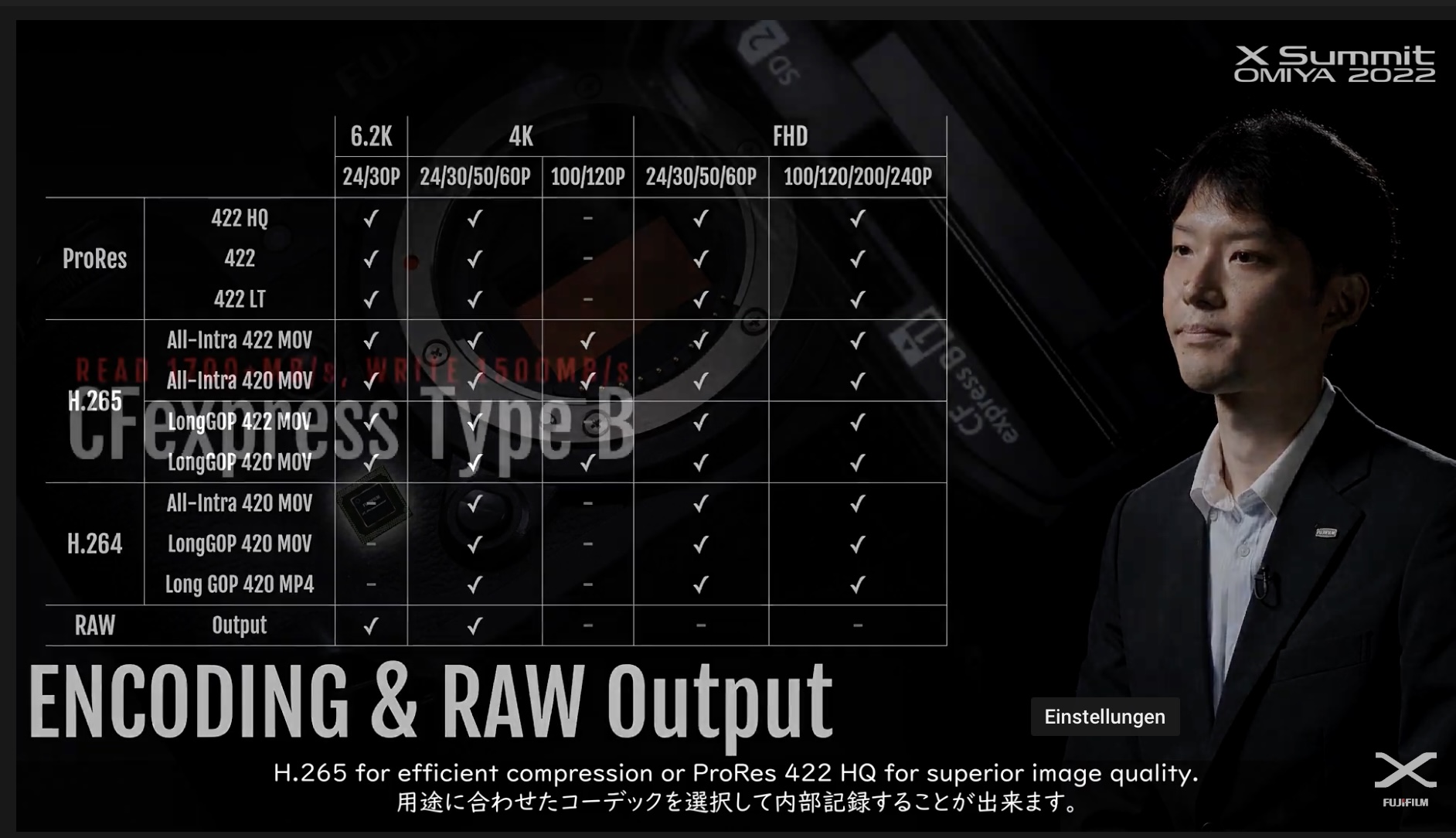
6K30p and 4/120p. Huge load on processor. But X-Processor 5 makes it possible
CFexpress Type B
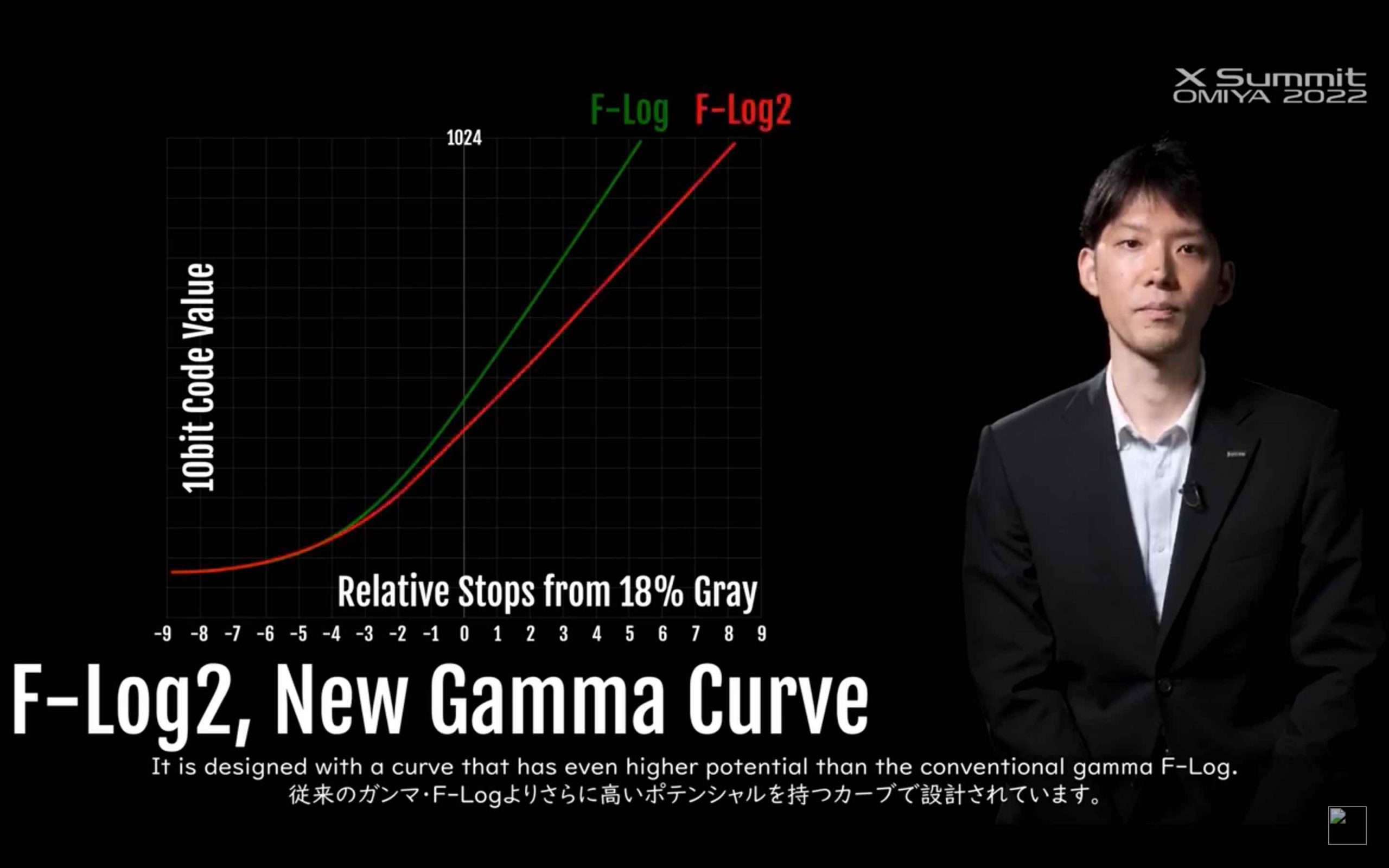
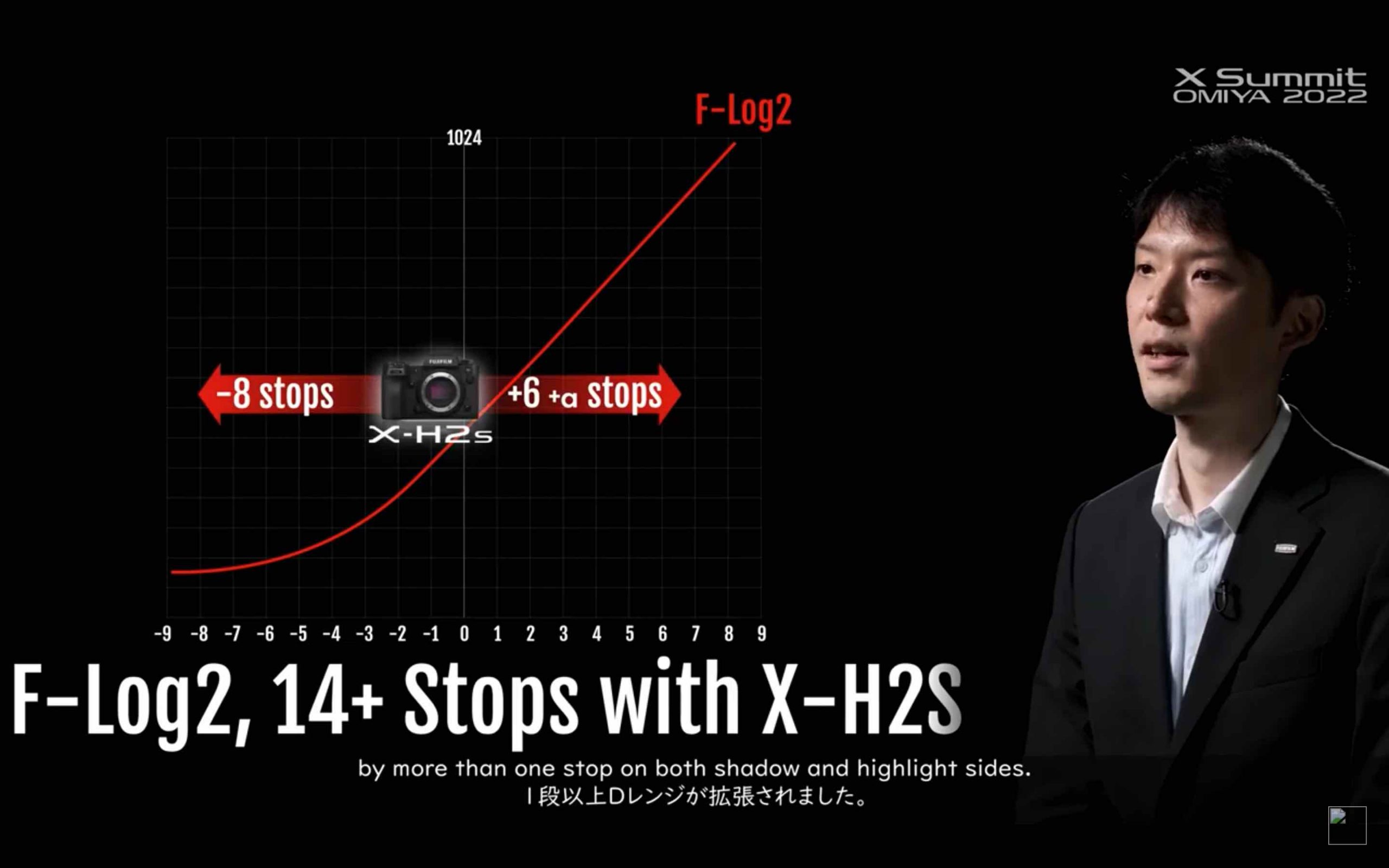
14+ stops of dynamic range in F-Log 2
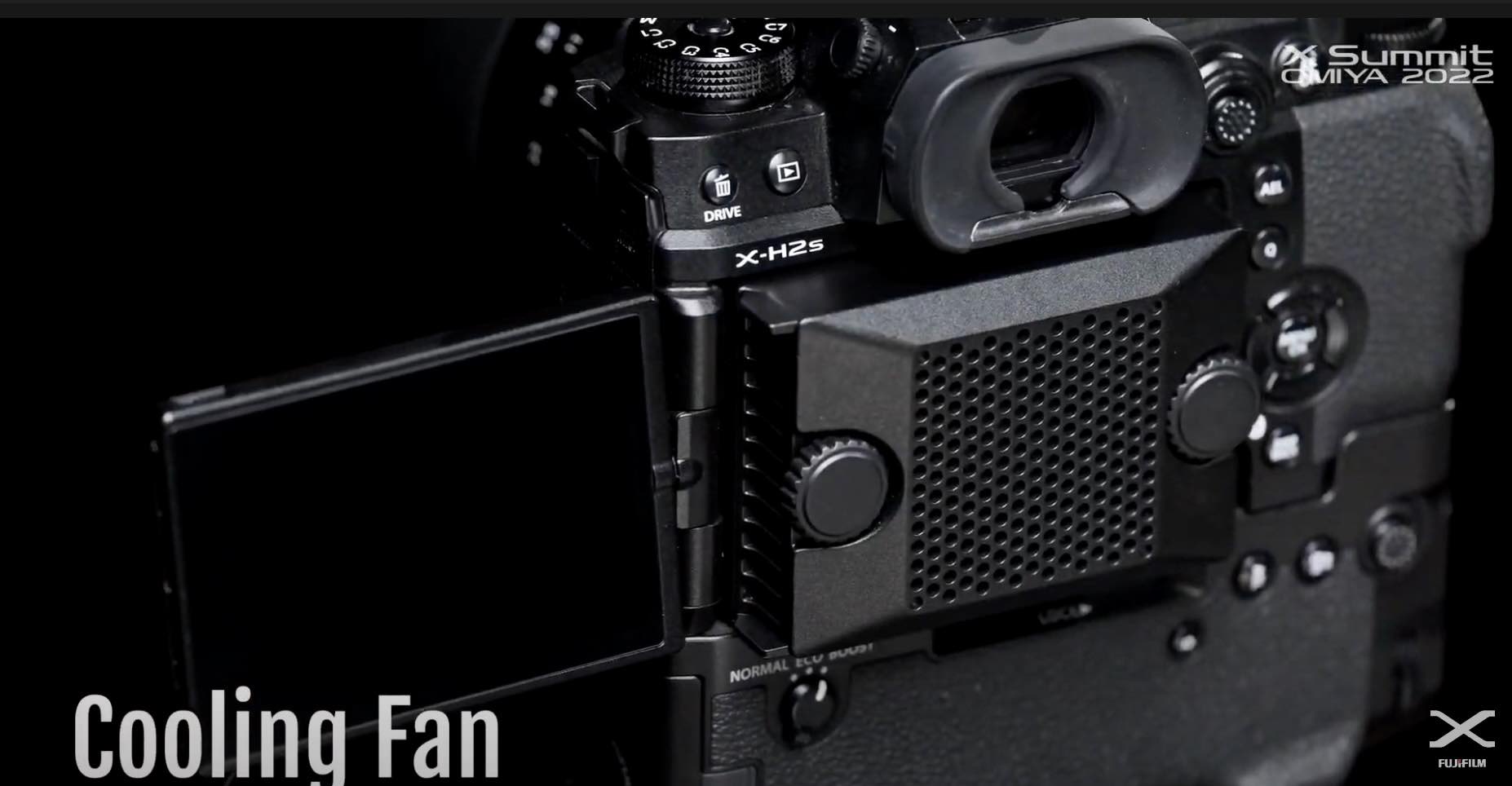
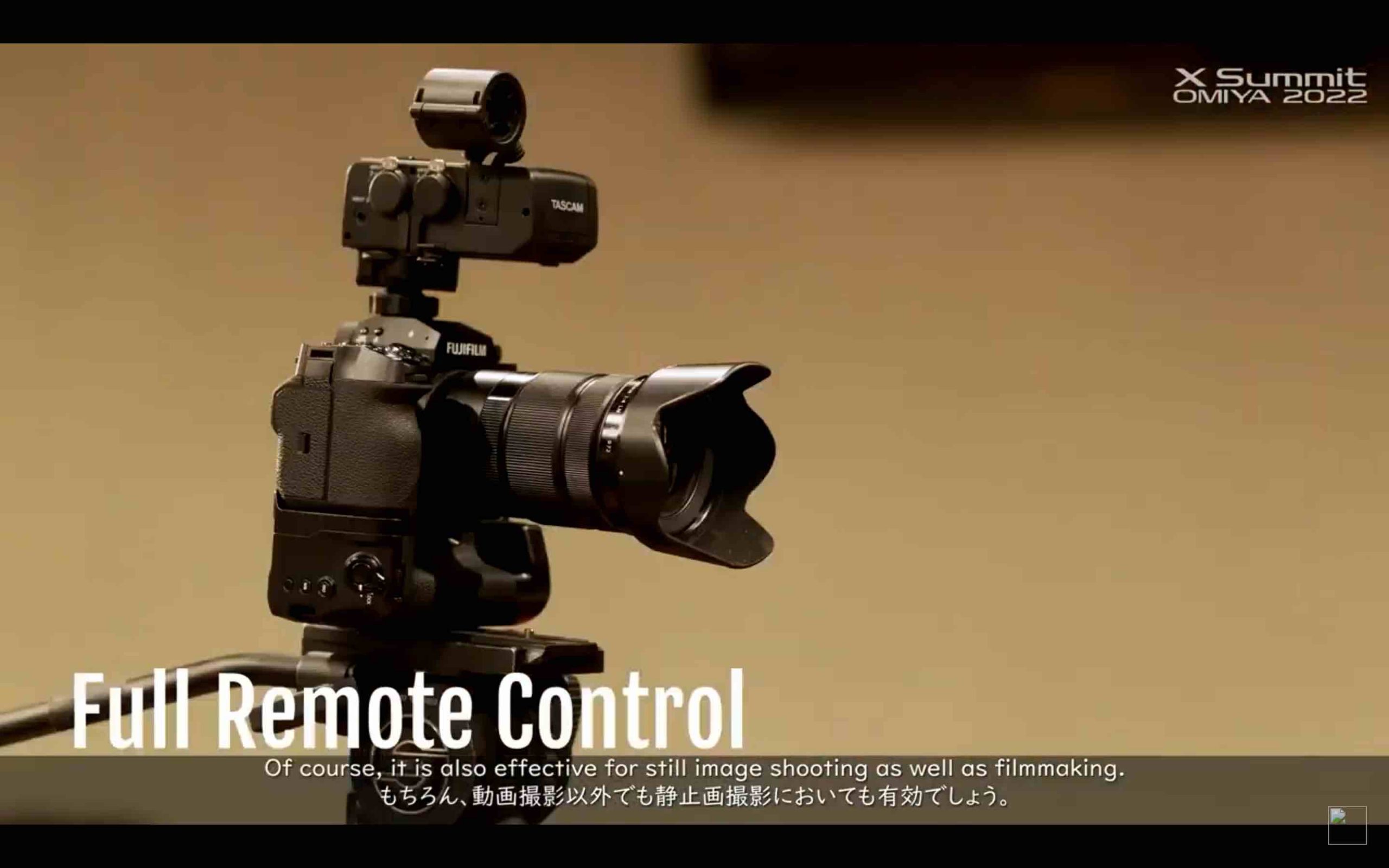
External cooling accessory
sharing files via Ethernet in Grip
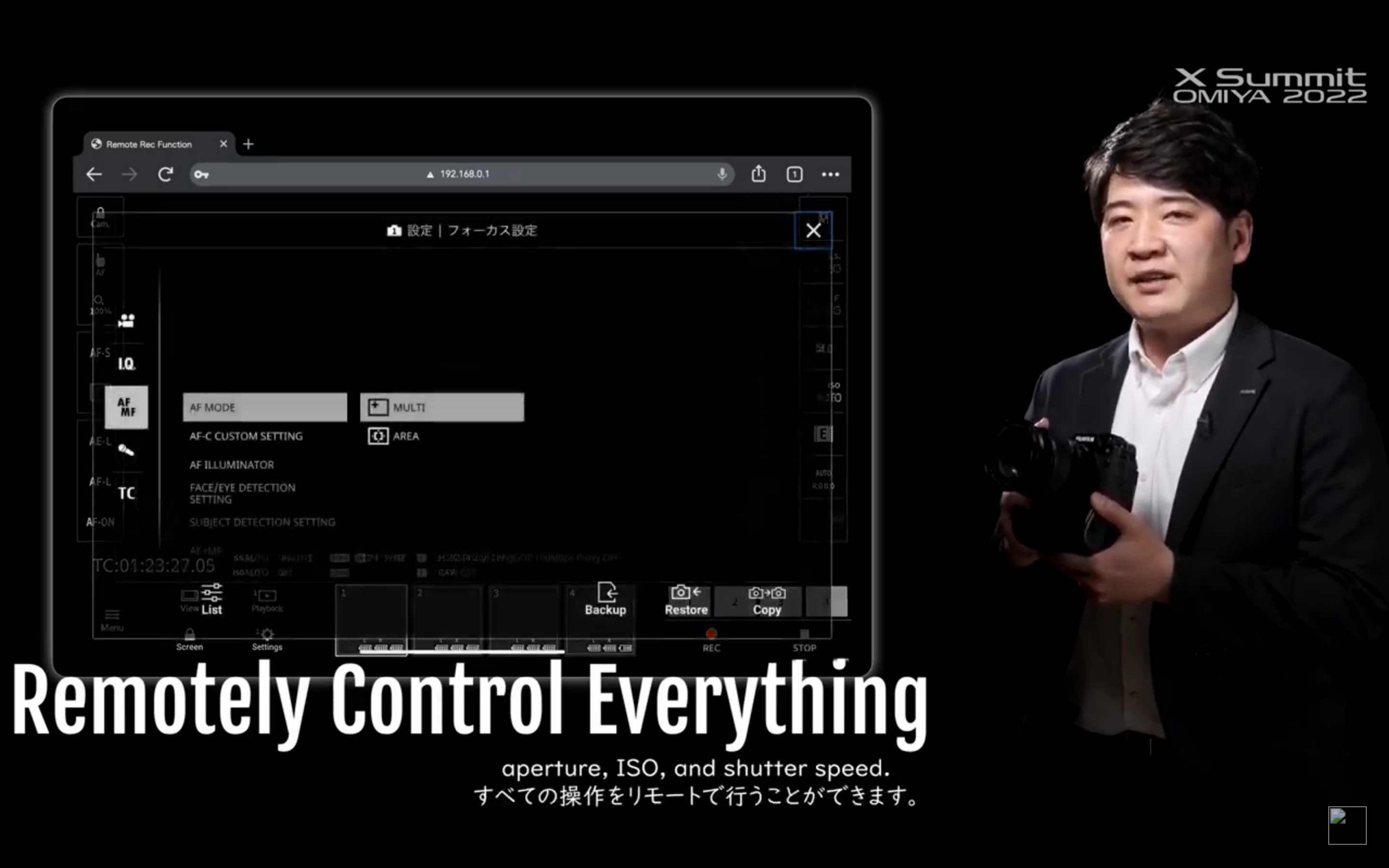
remote Rec Function, to use the router as a hub, so you can control X_HH2S via tablet (WiFi or Ethernet). You can control all camera settings and share settings with other cameras
X-H2S has a mode dial, sub-LCD on top panel and vary-angle LCD. Great for hybrid use
shutter release button with built-in leaf spring
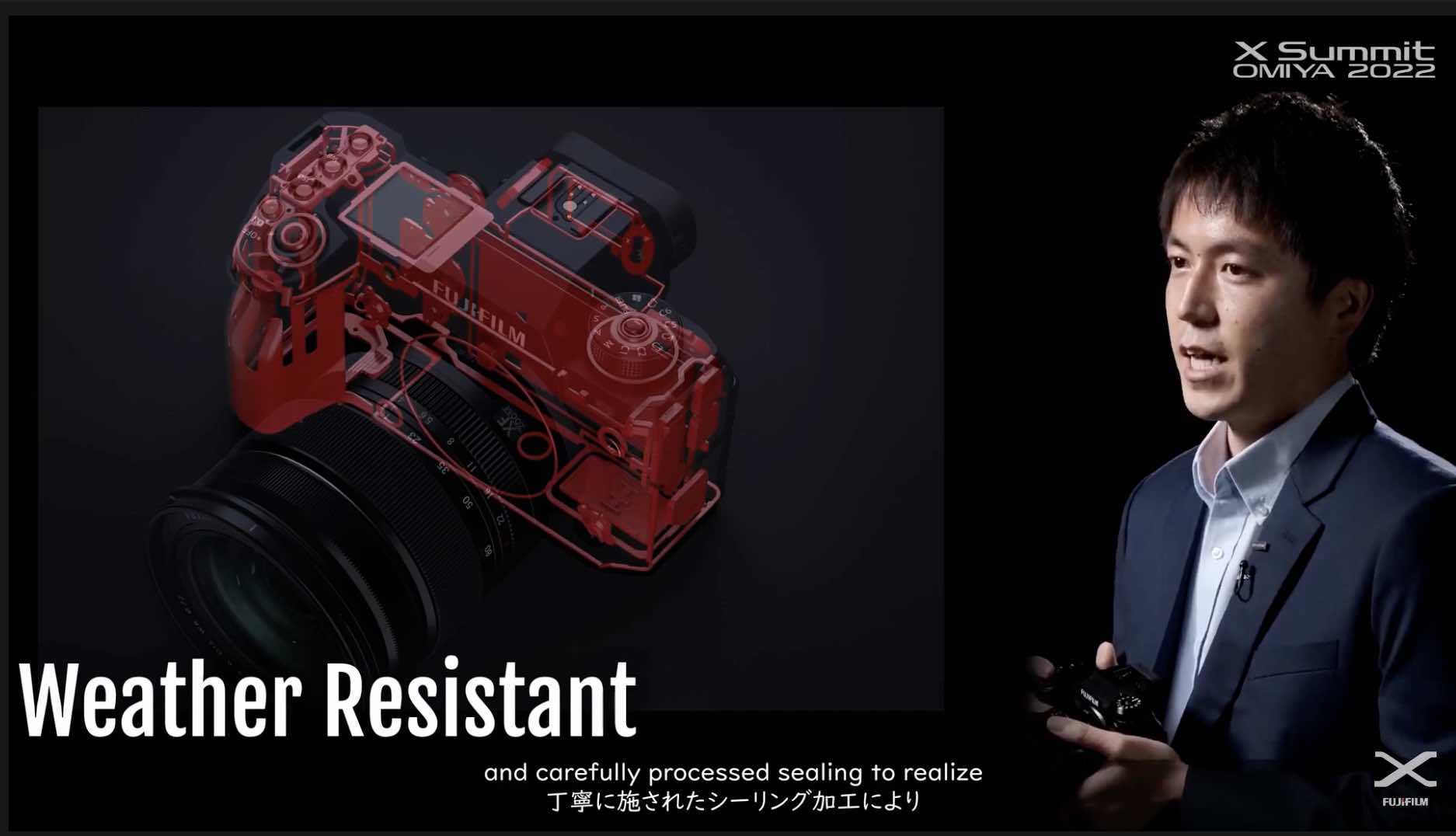
“H” stands for Heavy Duty
they tested it in different scenarios. -10 degrees is differnt in a lab over a snowy mountain.
Lenses
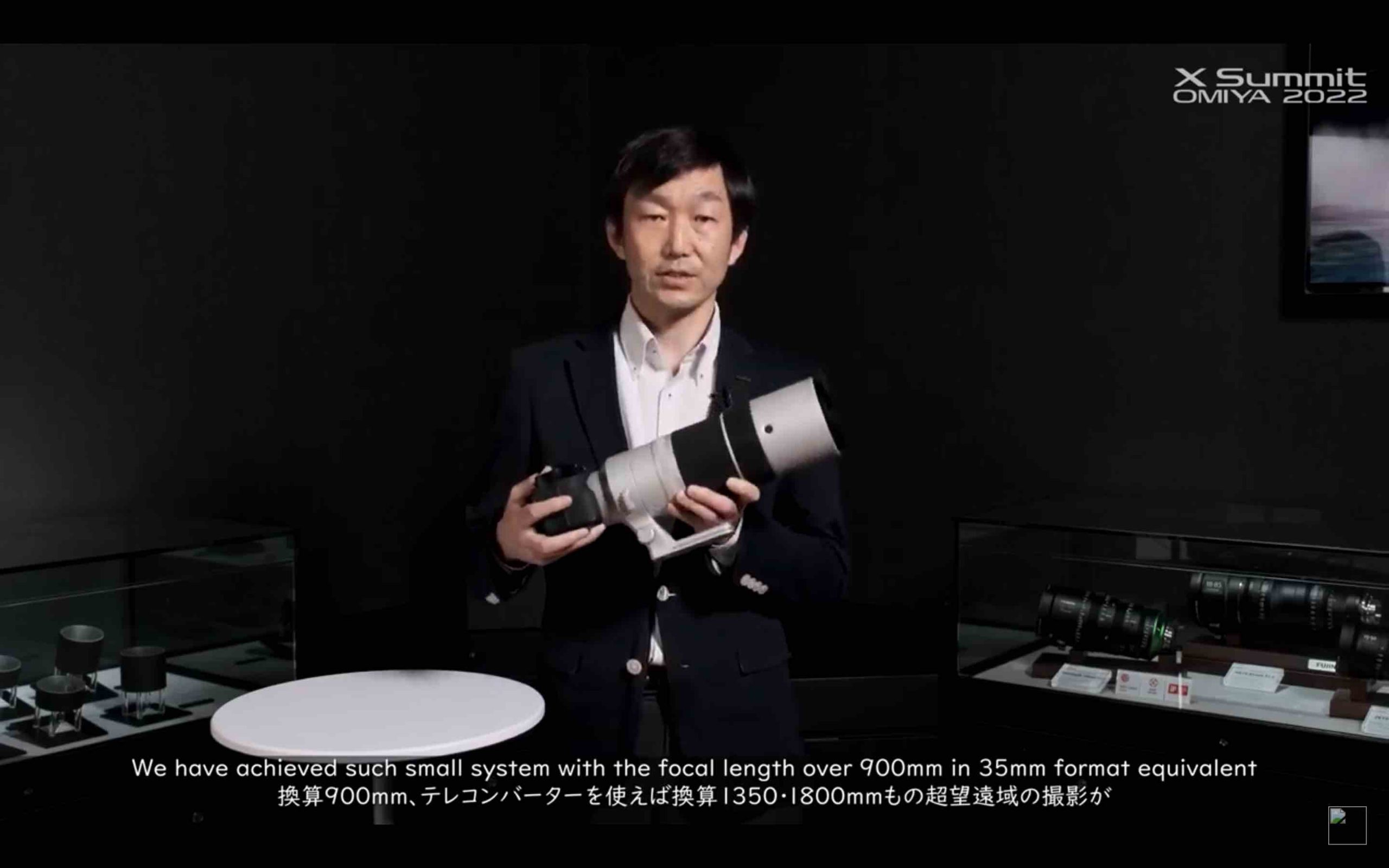
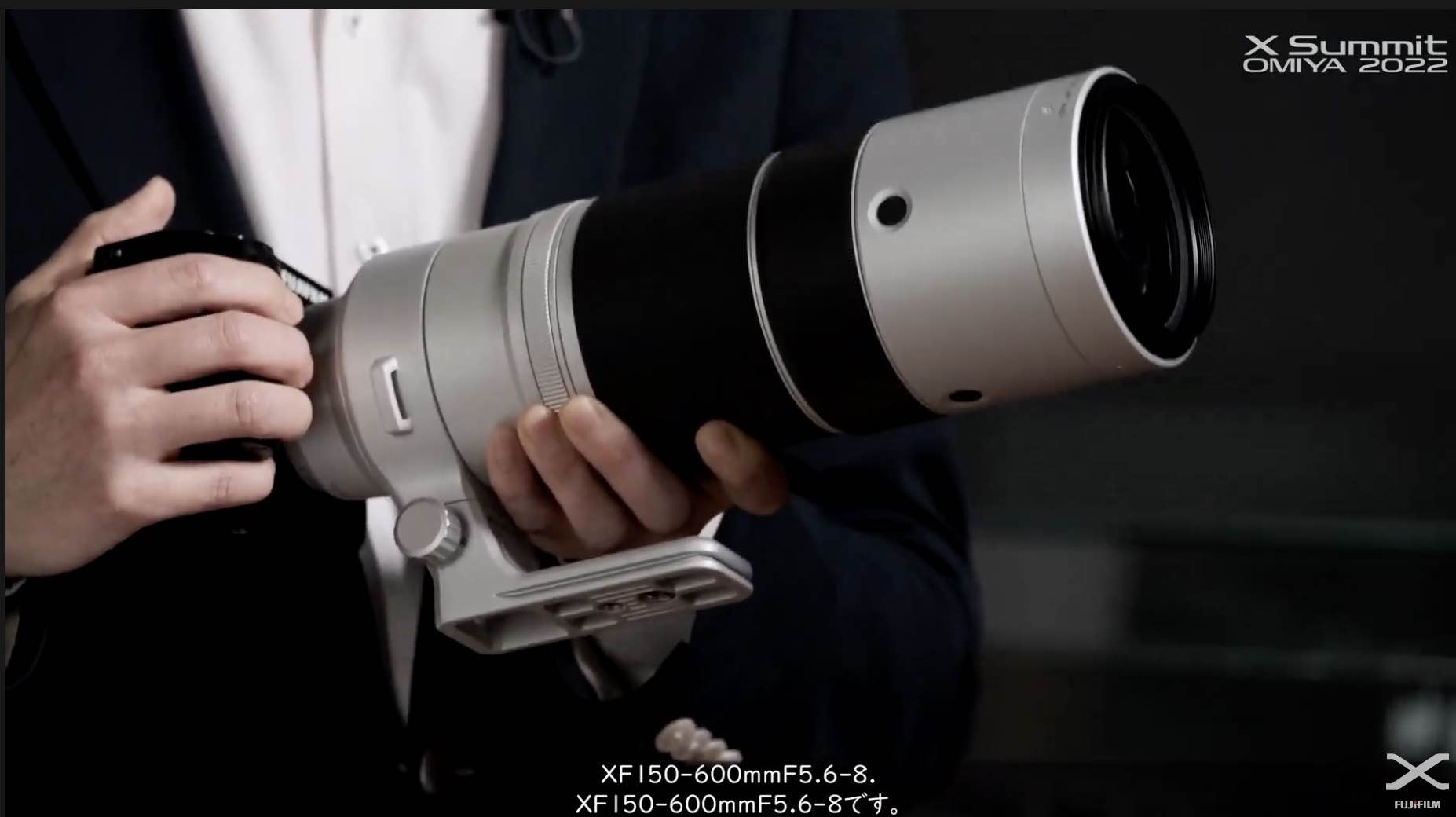
XF150-600 longest lens in Fujifilm X system for sports and wildlife
accepts teleconverters
temperature changes can have impact on optical system
Matt silver prevents the lens hous to be affected by temperature chanes
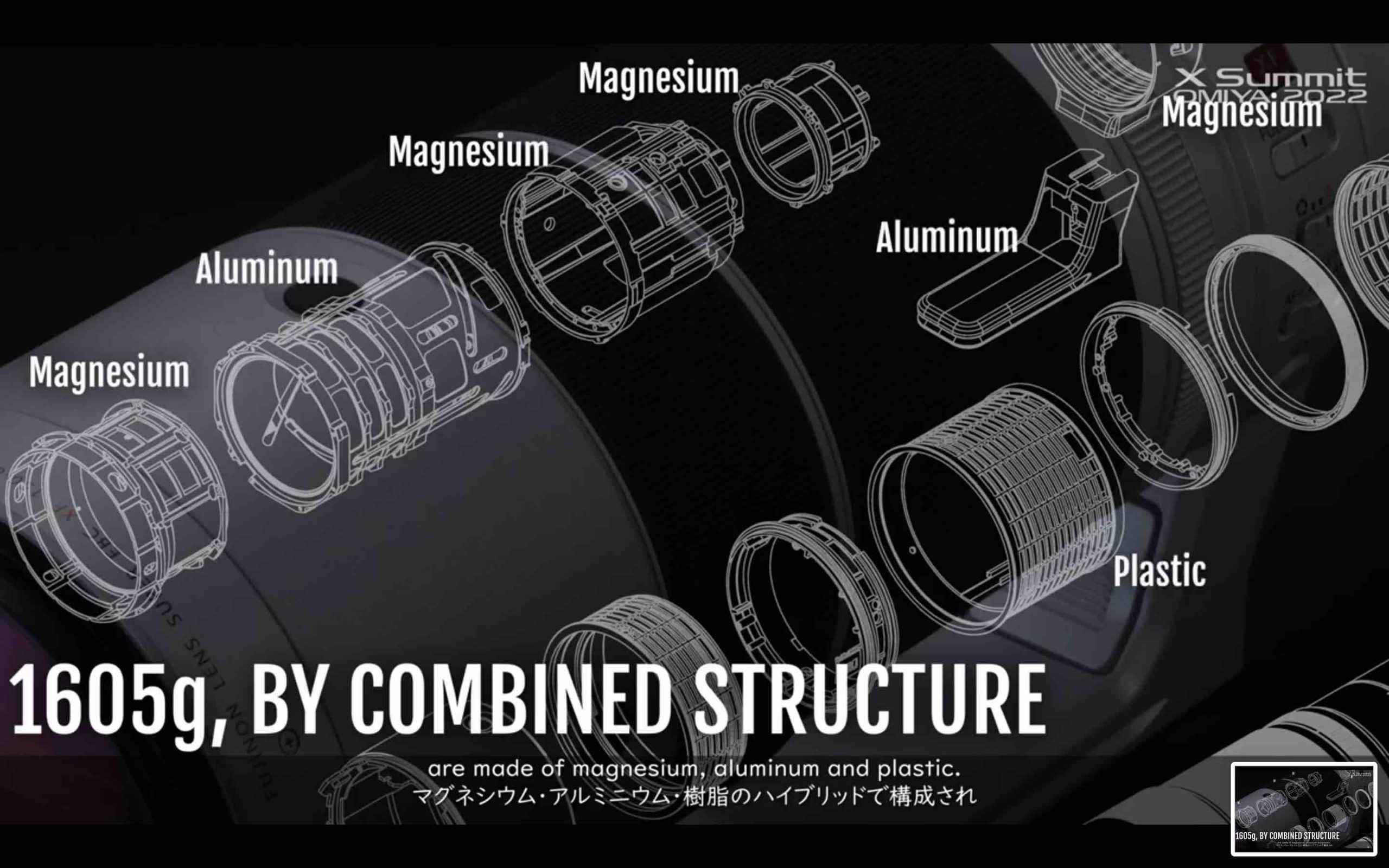
lens barrel and internal structure are made by magnesium, aluminion and plastic
1605 grams only
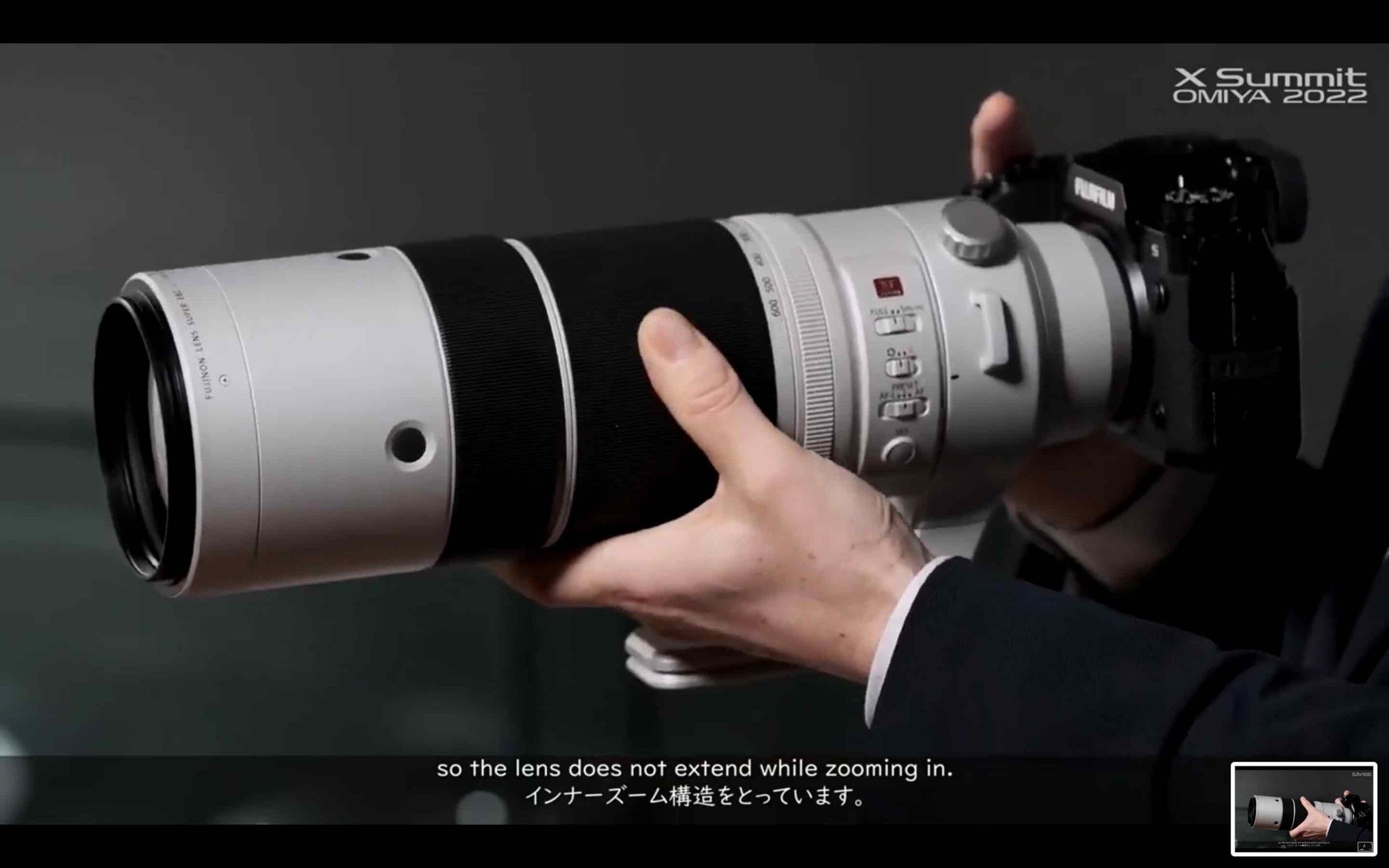
internal zoom structure
0.15 seconds focus speed thanks to linear motor. Fastest focusing speed
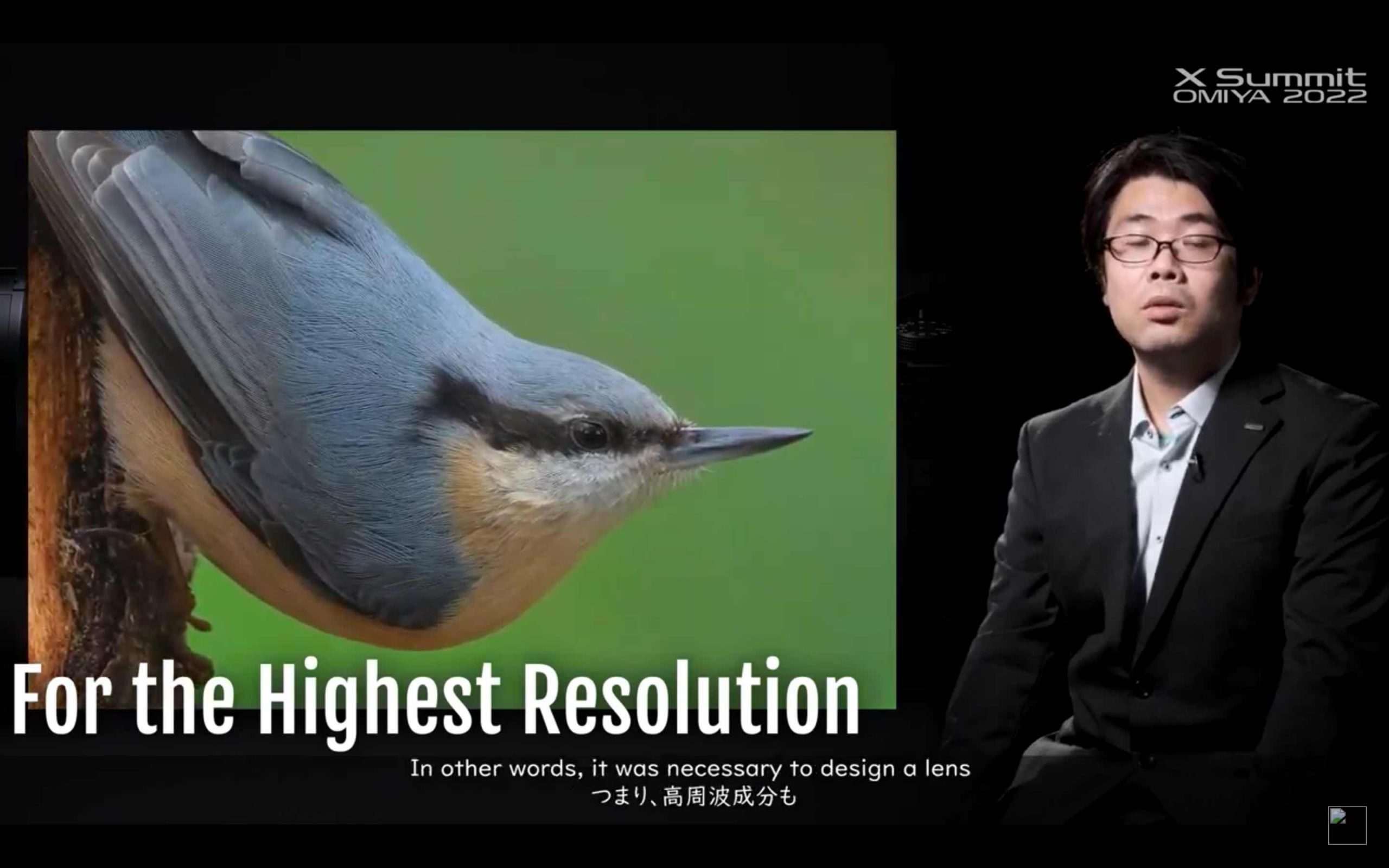
X-H2S has small pixel pitch
XF150-600 must be designed to resolve resultion
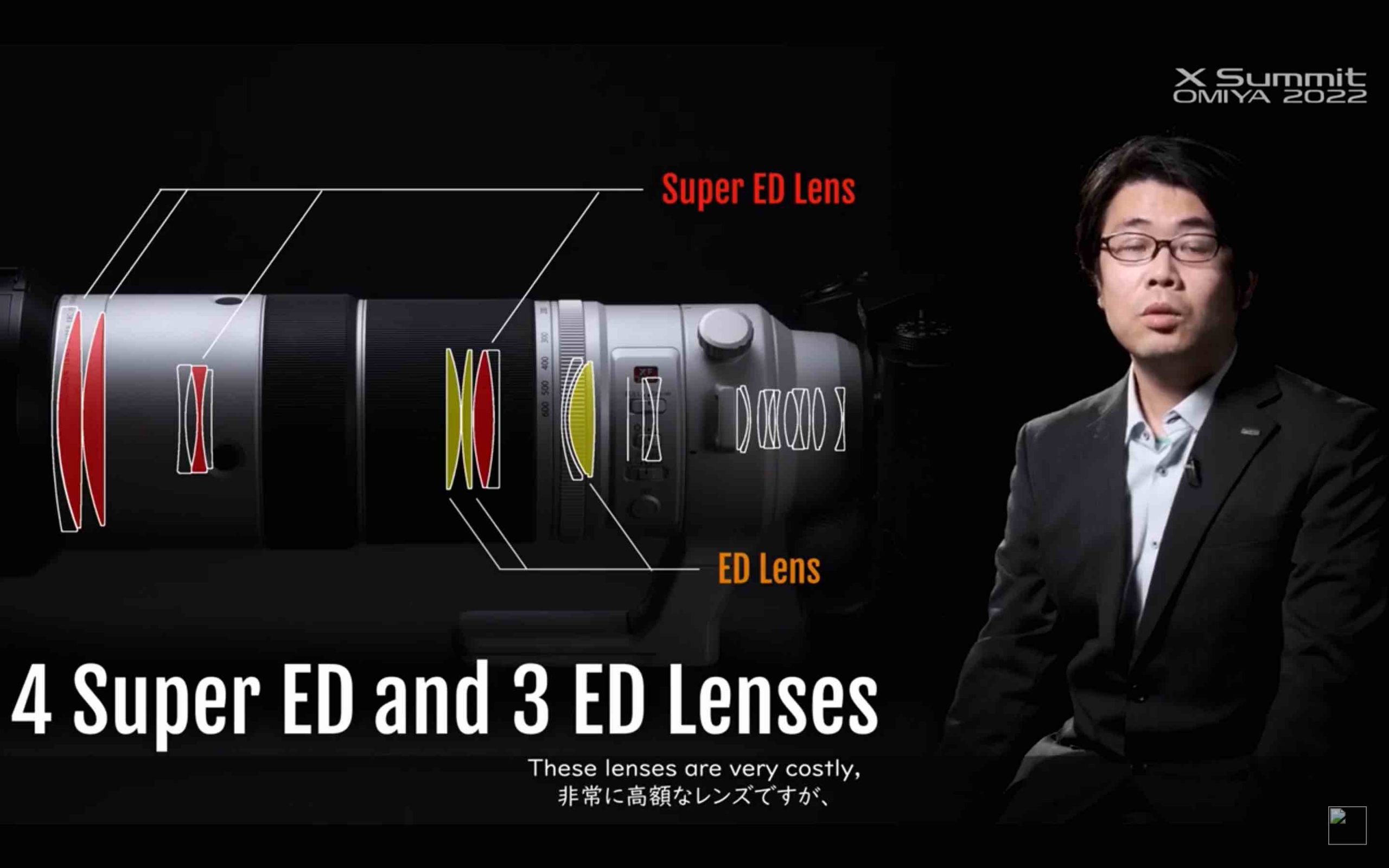
4 super ED and 3 ED lenses. Total of 24 elements
made in Japan
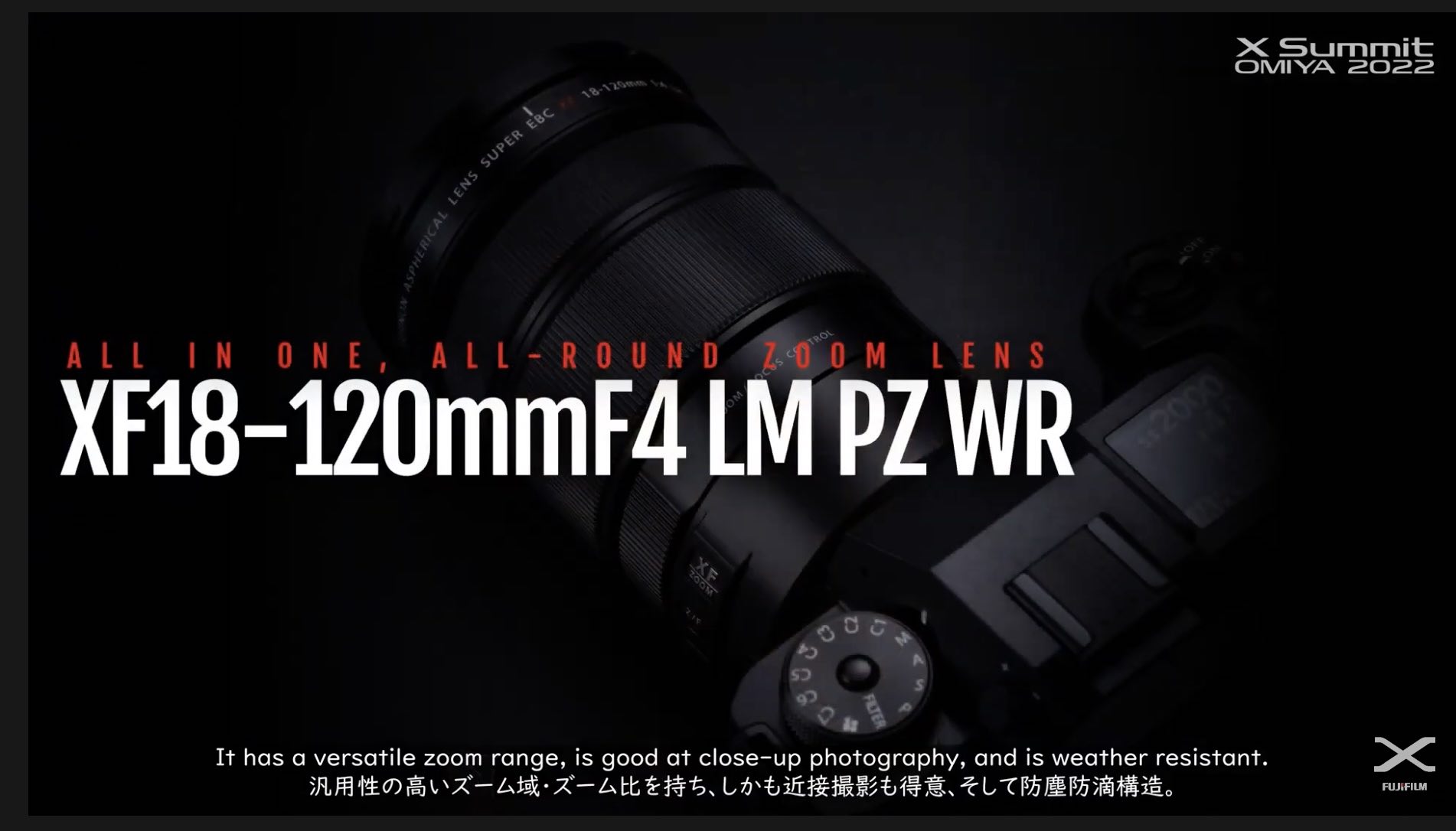
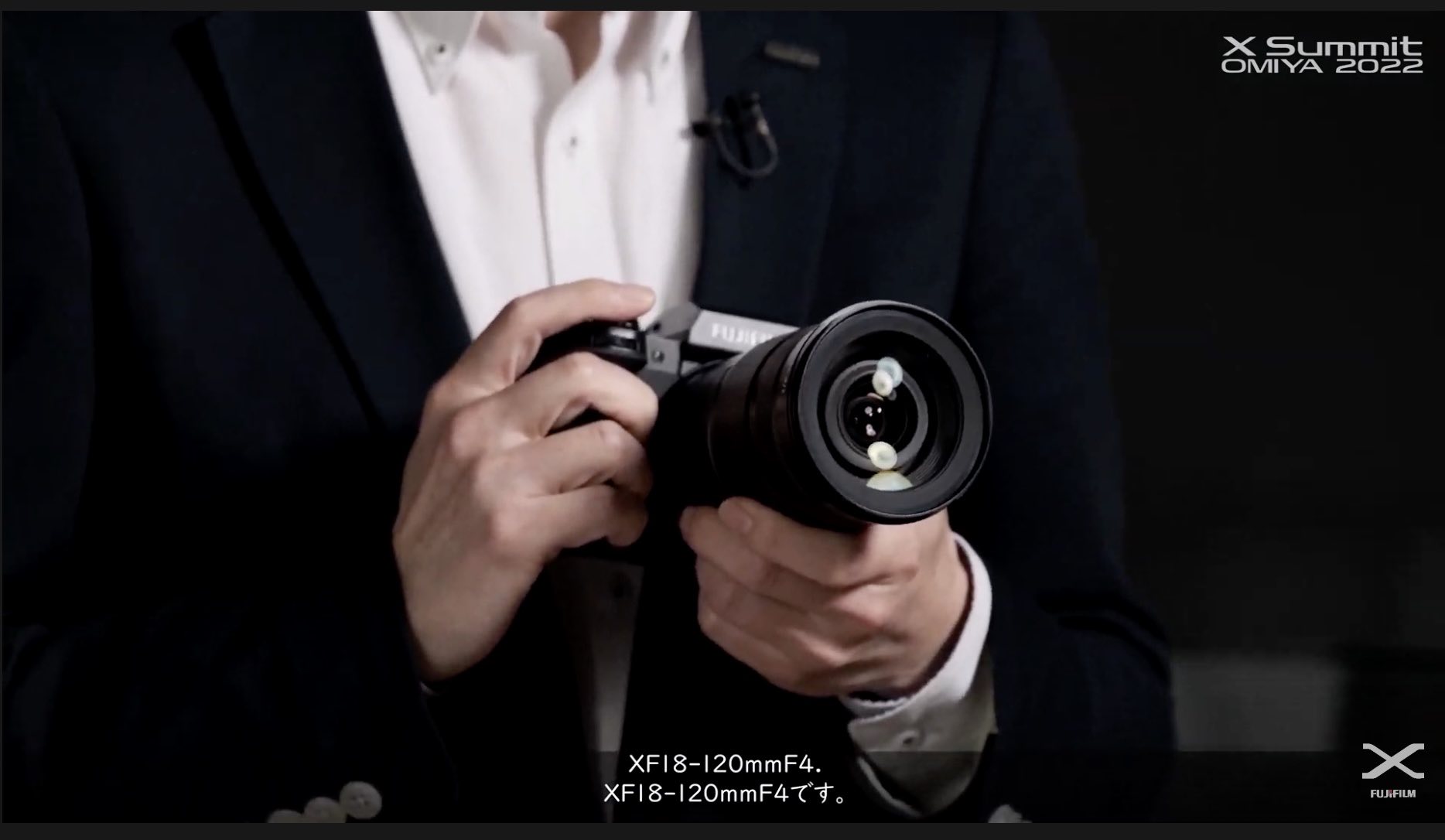
XF18-120mmF4
compact design
can handle any scene and subject with unique video features. Developed to cover video and stills
focus must not change during focus, and XF18-120 succeeds in this
Smoothness of zoom, focus and aperture
fast focus and smooth zoom and aperture
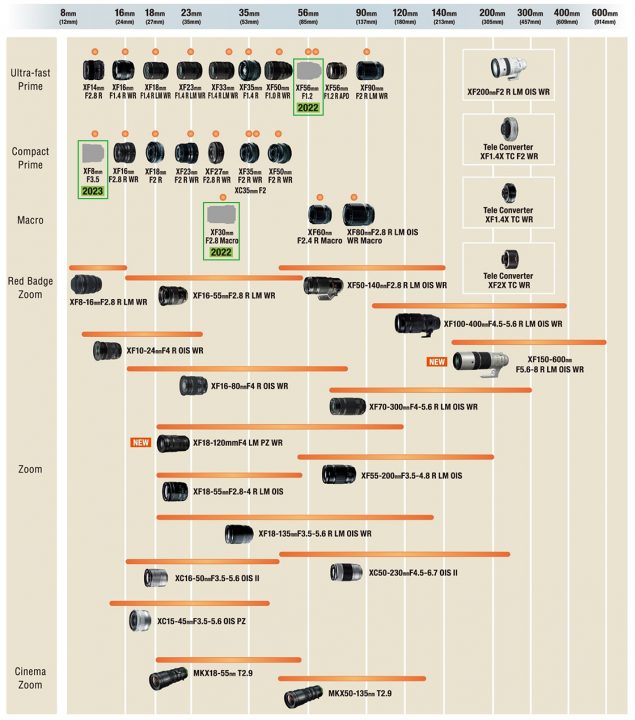
Lens Roadmap
XF56mm F1.2 MKII
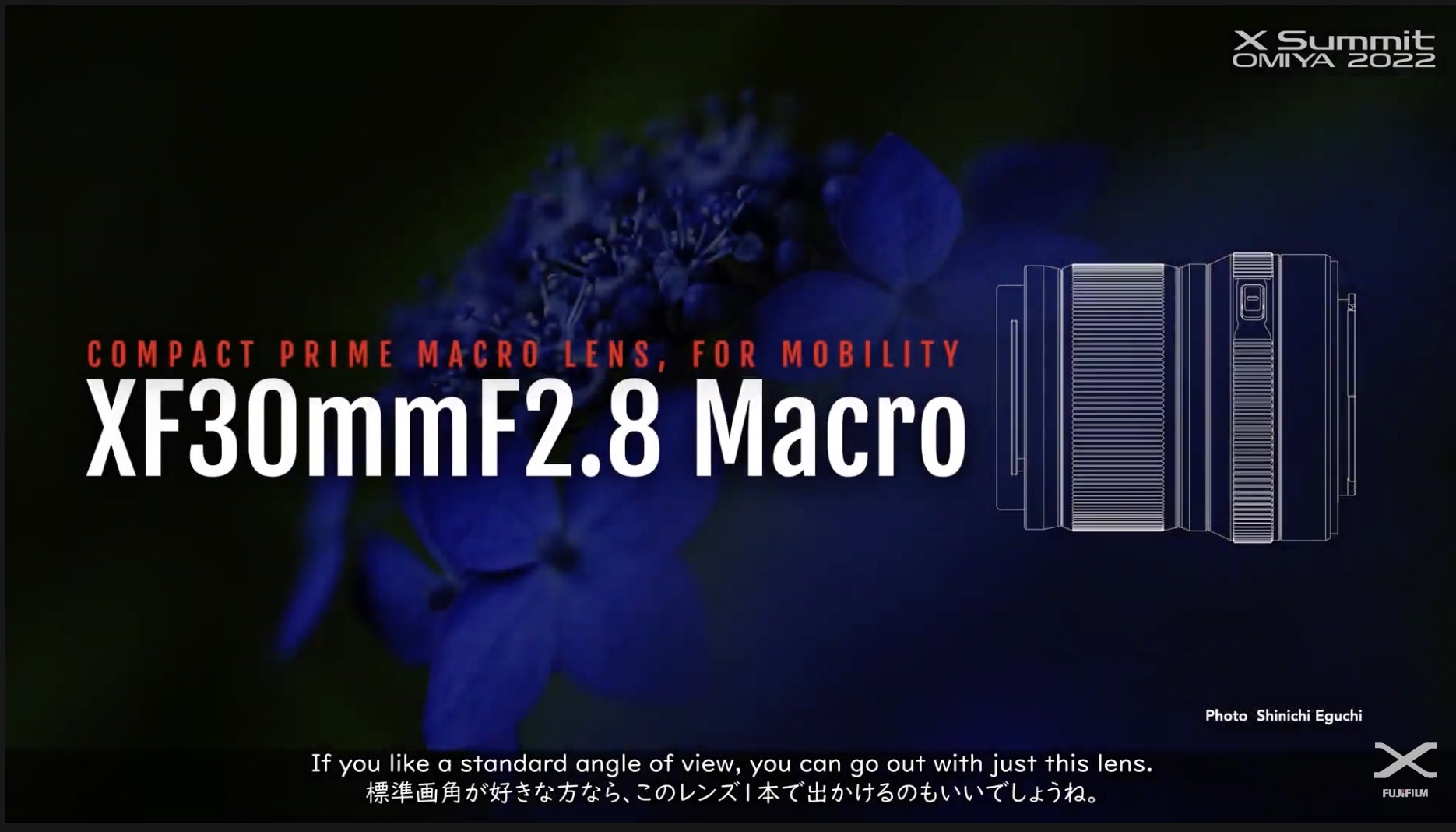
XF30mm F2.8 Macro
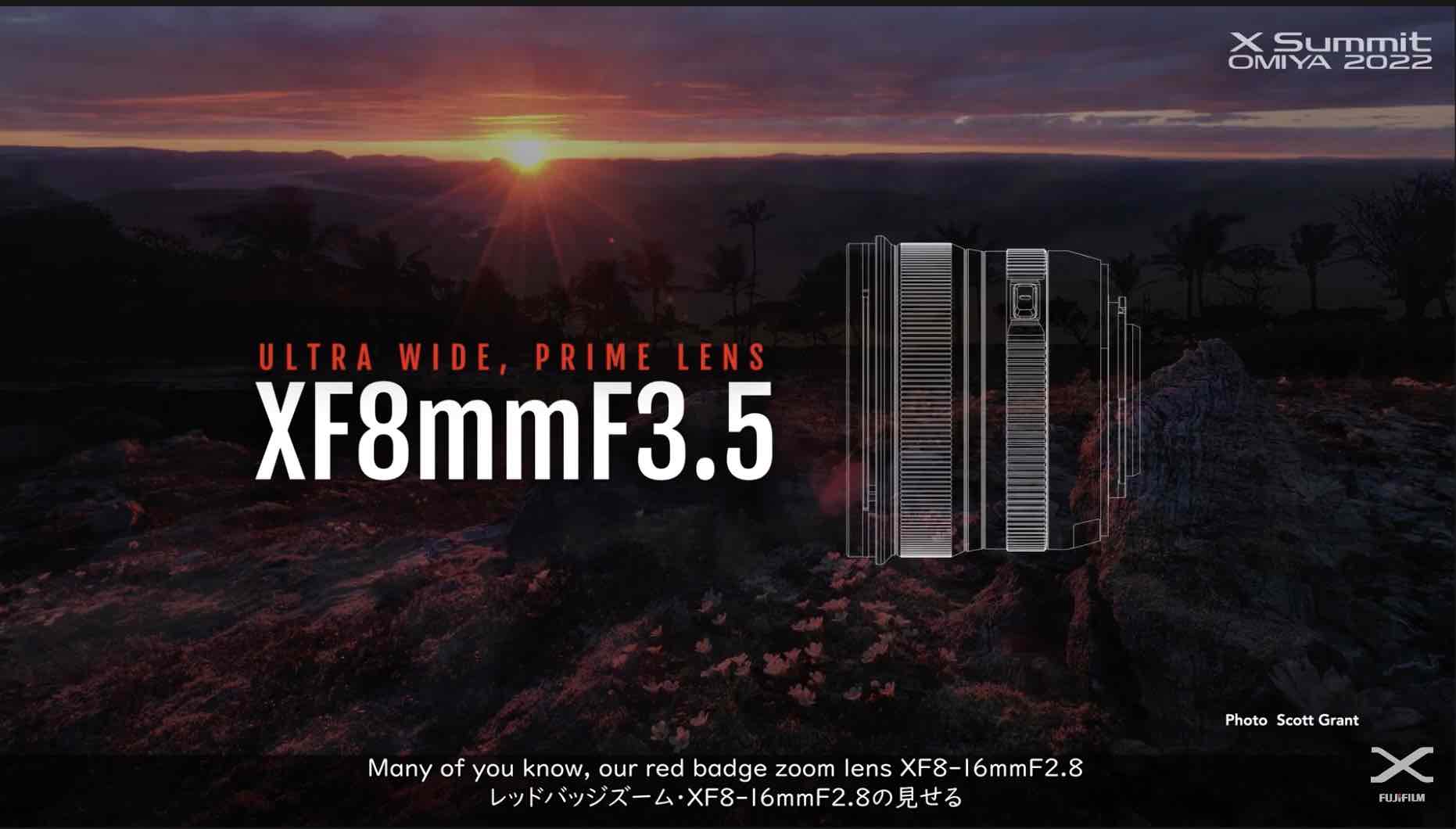
XF8mm F3.5
Availability
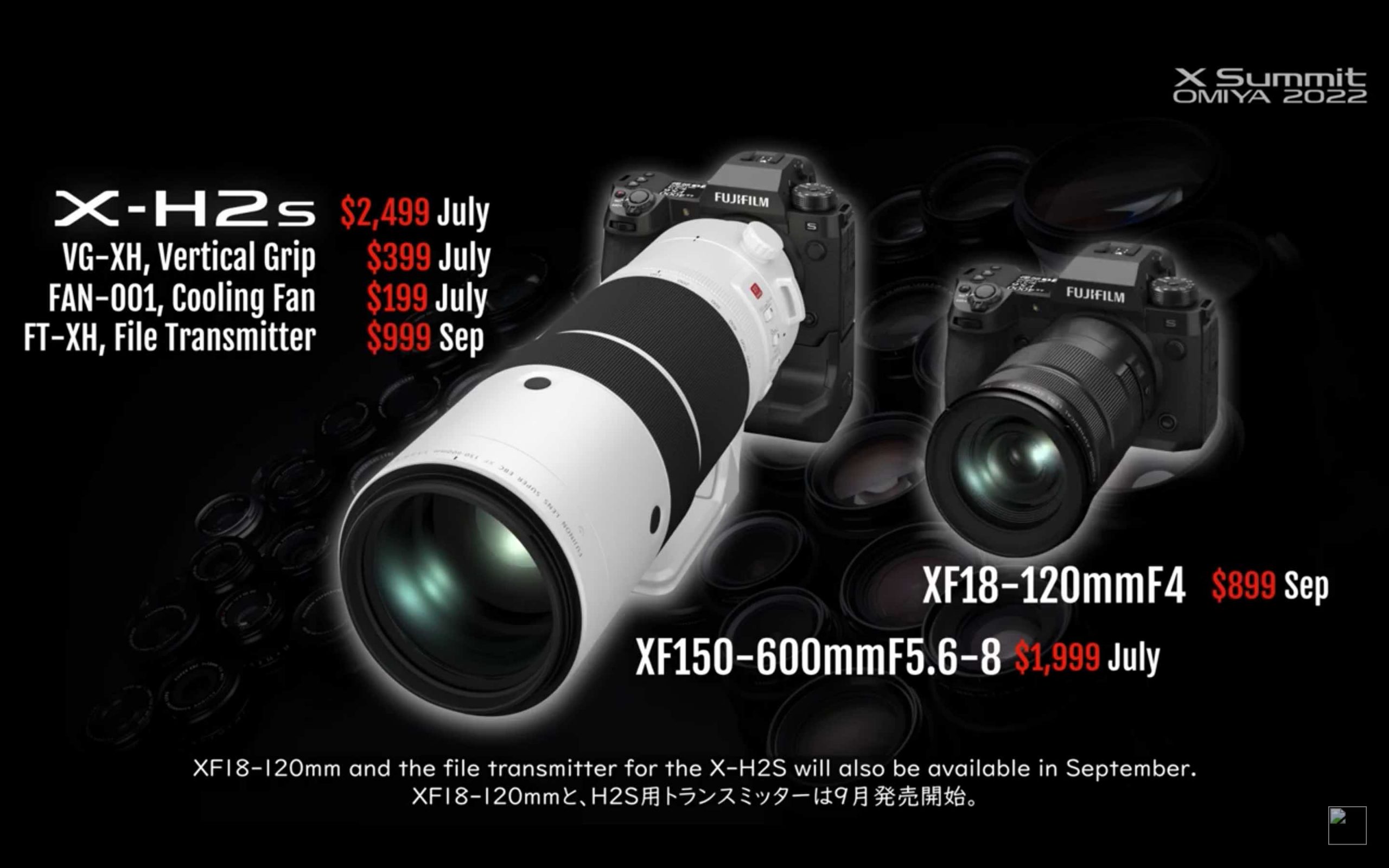
X-H2S in July
XF150-600 in July
XF18-120 in September
Fujifilm X-H2 high resolution
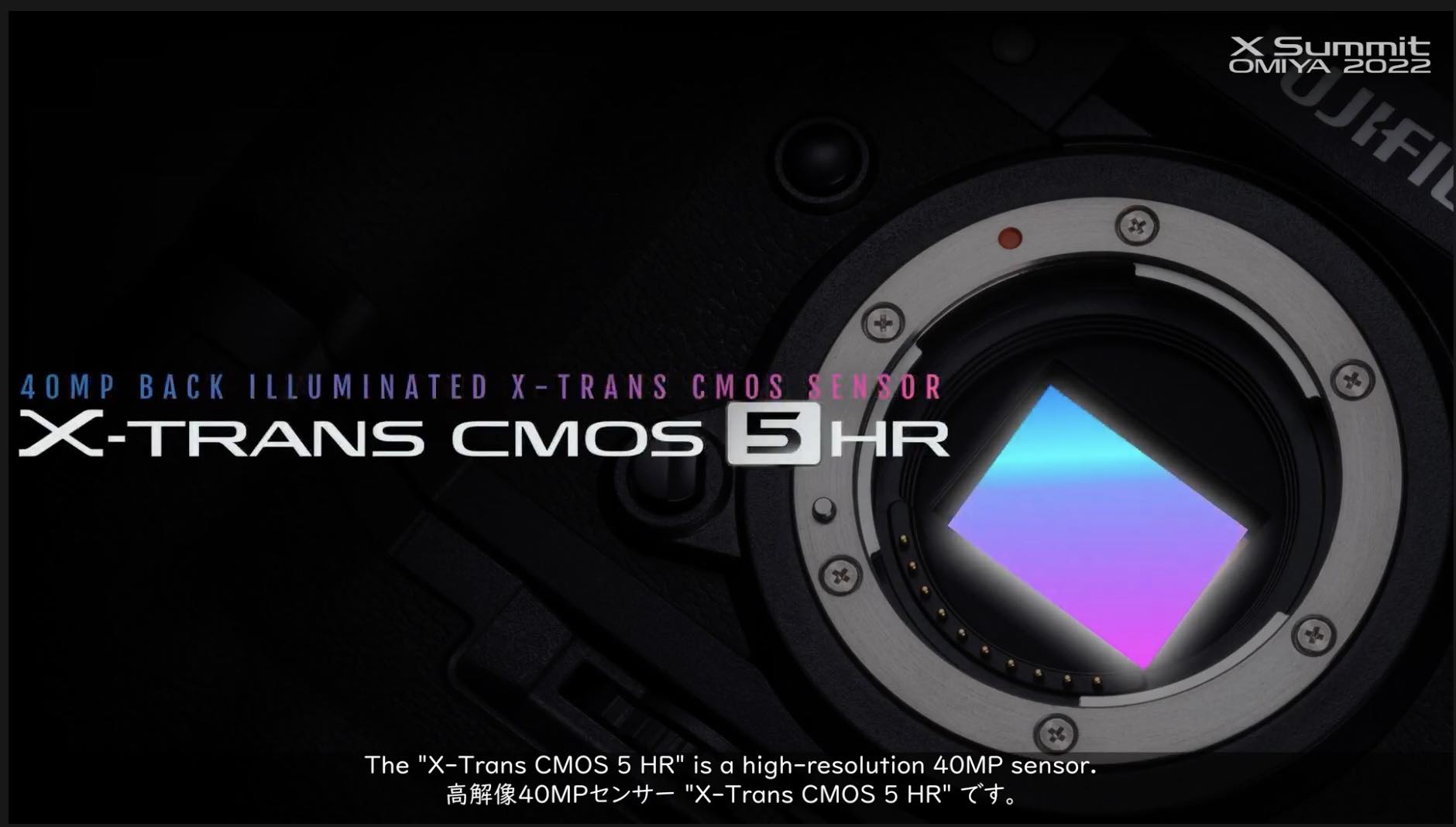
40MP HR (R for resolution) and 26MP HS (S for speed)
not stacked but fast
40 MP is X-Trans
ultra high image quality
Fujifilm X-H2 40MP for ultra high quality images
more details about the X-H2 in X summit in September
X-H2S and X-H2 will be the first cameras using new sensor
– Adding three new lenses to create an extensive 42-lens lineup to cover even broader shooting scenes
TOKYO, May 31, 2022 – FUJIFILM Corporation (President and CEO, Representative Director: Teiichi Goto) has unveiled the latest development roadmap for interchangeable XF lenses for the X Series of compact and lightweight mirrorless digital cameras, which offer outstanding image quality based on the company’s proprietary color reproduction technology. The latest roadmap shows the addition of three new lenses, i.e. a large-diameter mid-telephoto prime lens, a standard macro lens and an ultra wide-angle prime lens.
Fujifilm has actively expanded the XF lens lineup in pursuit of the X Mount system’s*1 premium image quality and advanced portability. Newly joining the new-generation “large diameter prime” series is a mid-telephoto prime lens. It expands the series’ range of focal lengths from 18mm in wide angle (equivalent to 27mm in the 35mm film format) to 56mm in mid telephoto (equivalent to 85mm in the 35mm film format). Users can enjoy the series’ impressive descriptive performance, based on its outstanding image quality and image resolution, in a wide variety of photographic situations.
Also, a standard macro lens and an ultra wide-angle prime lens are newly added to the “compact prime” series of small and lightweight lenses, further expanding the series’ shooting scenes. Taking advantage of the X Mount system’s mobility, Fujifilm will cater to diverse shooting needs.
*1 The system based on the X Mount, a lens mount for the X Series of mirrorless digital cameras equipped with an APS-C sensor.
Interchangeable lenses newly added to the roadmap
① Large-diameter mid-telephoto prime lens “XF56mmF1.2”
This is a mid-telephoto lens to join the new generation of “large-diameter prime” series, pursuing even a higher level of image quality. Its focal length of 56mm (equivalent to 85mm in the 35mm film format) and the maximum aperture of F1.2 make it a perfect portrait lens.
② Standard macro lens “XF30mmF2.8 R Macro”
This is a compact macro lens with a standard angle of view. The compact and lightweight design makes it an ideal walk-around lens that can cover a wide range of photographic situations from snapshots to landscape, portraiture and tabletop photography of foods and accessories.
③ Ultra wide-angle prime lens “XF8mmF3.5”
This is a compact ultra wide-angle prime lens that offers the widest-angle focal length of 8mm (equivalent to 12mm in the 35mm film format) among prime XF lenses. Despite being an ultra wide-angle lens, the compact and lightweight design makes it easy to carry.
With the extensive 42-lens lineup including the new three lenses added to the development roadmap, Fujifilm will meet its users’ diverse photographic needs.
– Introducing a super telephoto zoom lens covering 150mm – 600mm in focal length
– Lightweight design, powerful image stabilization and fast and accurate AF to produce high quality images in hand-held shooting
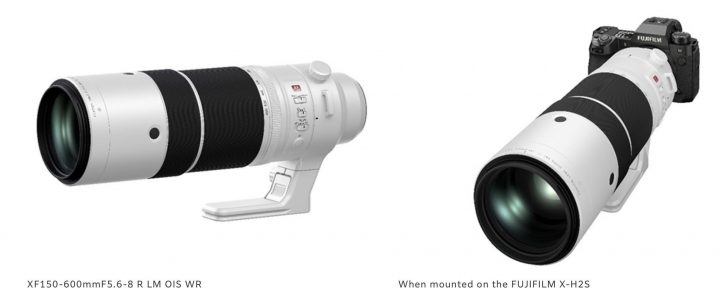
TOKYO, May 31, 2022 – FUJIFILM Corporation (President and CEO, Representative Director: Teiichi Goto) announces the launch of the “FUJINON Lens XF150-600mmF5.6-8 R LM OIS WR” (XF150-600mmF5.6-8 R LM OIS WR) in July 2022. The new lens joins the extensive lineup of interchangeable XF lenses designed for the X Series of mirrorless digital cameras, which are renowned for their compact and lightweight design and outstanding image quality delivered with Fujifilm’s proprietary color reproduction technology.
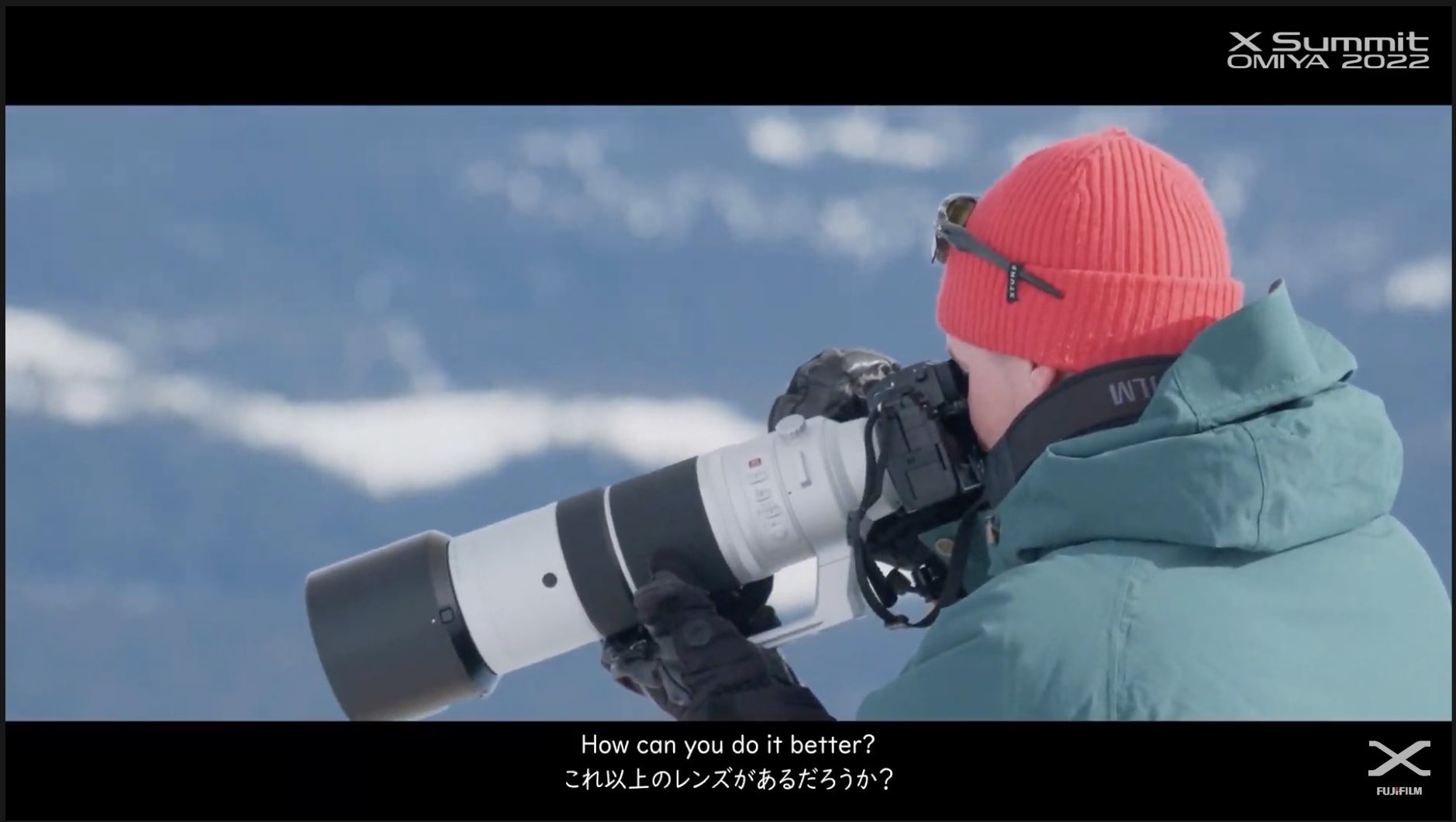
The XF150-600mmF5.6-8 R LM OIS WR is a zoom lens that covers focal lengths ranging from the telephoto 150mm to the super-telephoto 600mm (equivalent to 229mm – 914mm in the 35mm film format). It weighs just 1605g*1 and sports a powerful image stabilization mechanism as well as fast and highly accurate AF system to deliver excellent mobility. Users can shoot distant wildlife, wild birds or athletes hand-held and produce high-quality results.
The XF150-600mmF5.6-8 R LM OIS WR covers up to the super-telephoto focal length of 600mm (equivalent to 914mm in the 35mm film format), the longest in the history of XF lenses*2. It can also be coupled with the “XF2X TC WR” teleconverter, which can extend the focal length of lenses, to reach up to 1200mm (equivalent to 1828mm in the 35mm film format), allowing liberal framing unrestricted by shooting distance to capture wildlife and wild birds, or tracking athletes across all corners of a vast stadium in sports photography.
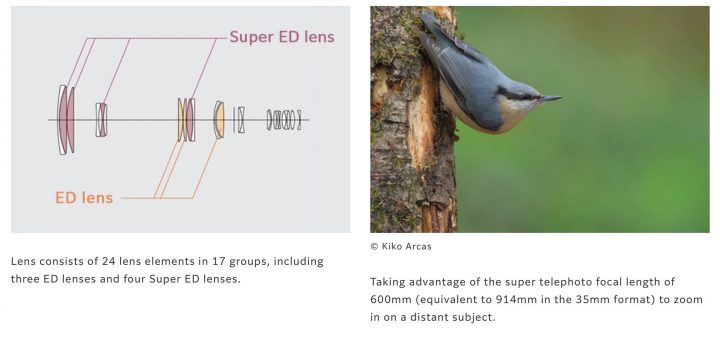
The XF150-600mmF5.6-8 R LM OIS WR consists of 24 lens elements in 17 groups, including three ED lenses and four Super-ED lenses, effectively suppressing chromatic aberration and delivering a high level of edge-to-edge image resolving performance across the entire zoom range. Furthermore, it weighs just 1605g*1 despite being a zoom lens covering a broad range of shooting distances. The use of the Inner Zoom system means the lens barrel does not extend, thus minimizing shift in weight distribution balance during zooming for stable hand-held shooting. The lens also features a 5.0-stop*3 image stabilization mechanism and an AF system that attains focus in as quickly as 0.15 seconds*4, ensuring that users do not miss any decisive photo opportunities.
Adding the XF150-600mmF5.6-8 R LM OIS WR to an extensive lineup of lenses, Fujifilm will continue to offer photographic pleasure with the X Series, covering a wide range of photographic categories.
*1 Weight excluding the lens cap, lens hood and tripod seat.
*2 As of May 31, 2022.
*3 Compliant with CIPA in pitch / yaw directions.
*4 AF speed on the wide angle end, using an internal measurement method compliant with the CIPA Guidelines, when mounted on the mirrorless digital camera “FUJIFILM X-T4” with Phase Detection AF activated and the High Performance Mode turned ON.
1. Product features
(1) Super telephoto zoom lens with the longest focal length in the history of XF lenses*2 in pursuit for premium image quality
The zoom lens covers focal lengths ranging from the telephoto 150mm to the super-telephoto 600mm (equivalent to 229mm – 914mm in the 35mm film format). The super-telephoto focal length of 600mm, the longest in the history of XF lenses, makes it a perfect choice for shooting subjects in long distance in wildlife, birds and sports photography.
The lens is compatible with the teleconverters “XF2X TC WR” and “XF1.4X TC WR.” When coupled with the XF2X TC WR, the lens covers focal lengths from 300mm to 1200mm (equivalent to 457mm – 1828mm in the 35mm film format).
The lens, consisting of 24 lens elements in 17 groups including three ED lenses and four Super ED lenses, thoroughly suppresses chromatic aberration, typically seen in super-telephoto lenses. It delivers a high level of edge-to-edge image-resolving performance across the entire zoom range.
The High Transmittance Electron Beam Coating (HT-EBC), Fujifilm’s multi-layer coating typically used on broadcast lenses, has been applied on all elements to achieve high transmittance and low reflectance despite containing 24 lens elements to produce images with exceptional sharpness and clarity.
(2) Rugged yet lightweight design to reduce user load, enabling extended shooting in a variety of situations
The lens features two Super ED lenses as front elements to maintain strong image-resolving performance but adopted compact barrel design in order to reduce overall weight. It weighs just 1605g despite being a super-telephoto zoom reaching up to 600mm (equivalent to 914mm in the 35mm film format).
The use of the Inner Zoom system means the lens barrel has an uncomplicated, non-extending structure, thus reducing the lens weight and minimizing shift in weight distribution balance for comfortable zooming.
Magnesium alloy is used for the internal base frame that supports the lens structure to keep the weight low and make it robust at the same time.
The lens body is in matte silver to mitigate its temperature increase during operation. The lens barrel is weather-sealed at 19 points to ensure dust and weather resistance and ability to operate at temperatures down to -10℃. This means the lens can withstand extended use in sweltering heat or under rough weather.
The accuracy in sensing camera shake has been dramatically improved to provide powerful 5.0-stop image stabilization, facilitating hand-held photography in the super telephoto region, which is susceptible to camera shakes.
(4) Fast and silent AF actuated easily
The lens uses the Inner Focus system, which drives the compact and lightweight focus lens group with a linear motor, to achieve a fast and silent AF, attaining focus in as fast as 0.15 seconds in the wide angle end and 0.25 seconds*5 in the telephoto end. Users can capture a subject quickly and precisely even in the hard-to-focus super-telephoto range, ensuring to capture a decisive photo opportunity.
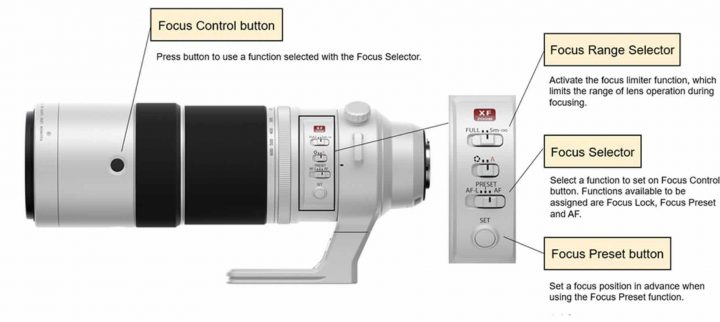
The Focus Preset function is featured so that the focus can be shifted to a location pre-defined with the Focus Preset button*6. This reduces users’ operation workload as they don’t need to re-adjust focus on a targeted subject.
The lens also features the Focus Limiter*7, allowing users to restrict the lens’s AF range. This can effectively shorten AF time when photographing a subject that is five meters away or more.
The Focus Control button*6 is placed at the front edge of the lens barrel. Press this button to instantly recall a function you have assigned with the Focus Selector*6 for smooth AF operation.
*5 AF speed on the telephoto end, using an internal measurement method compliant with the CIPA Guidelines, when mounted on the mirrorless digital camera “FUJIFILM X-T4” with Phase Detection AF activated and the High Performance Mode turned ON.
*6 Camera firmware must be updated to activate the Focus Preset button, Focus Control button and Focus Selector. The update is due to be released for the FUJIFILM X-T4, FUJIFILM X-T3 and FUJIFILM X-S10.
*7 The Focus Limiter function is activated with the Focus Range Selector.




 Loading ...